From Public Service to Commercial Utility: How Australia’s Water Changed
- Written by: The Times
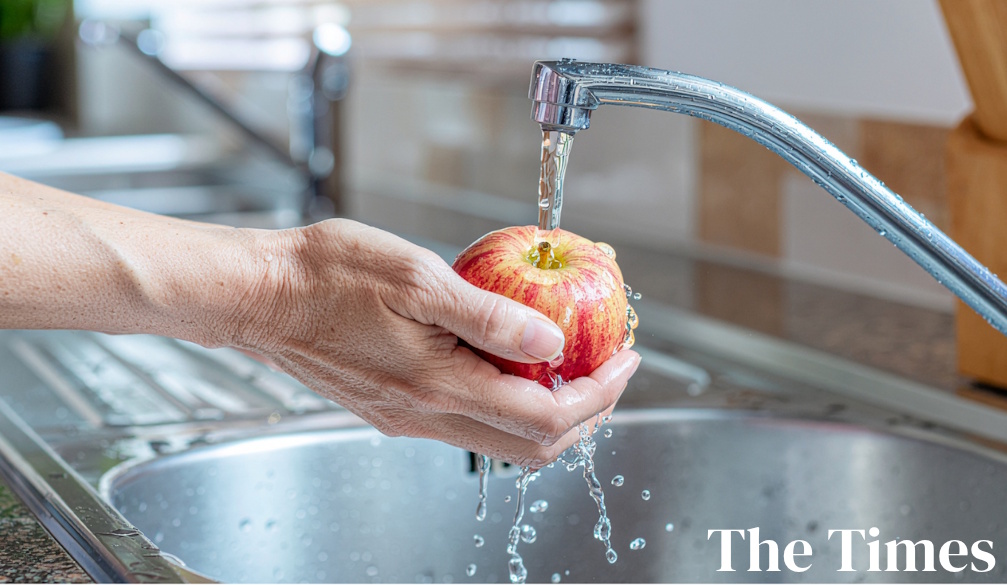
For most Australians, turning on a tap is something that requires little thought. Clean drinking water arrives every day, wastewater disappears just as reliably, and the bill arrives every few months. Yet few households stop to consider how dramatically Australia's water industry has changed over the past several decades.
There was a time when water was regarded almost entirely as a public service. Local councils or state government departments built dams, laid pipes, maintained treatment plants and delivered drinking water as part of the basic responsibilities of government. Like roads, libraries and parks, the objective was service rather than profit.
Today the landscape is far more complex.
Across Australia, water is supplied by government-owned corporations, statutory authorities, local councils and, in some cases, privately operated businesses working under government contracts. Many operate under commercial principles, with boards of directors, financial performance targets and requirements to generate operating surpluses.
The reasoning behind this shift was straightforward. Water infrastructure is enormously expensive. Australia's growing cities require new dams, desalination plants, pipelines, pumping stations, filtration facilities and wastewater treatment systems. Governments argued that commercial operation would improve efficiency while ensuring enough revenue was available to maintain and expand the network.
For consumers, however, the experience has often been rising water bills.
Households today pay not only for the water they consume but also fixed service charges, sewerage charges, environmental programs and ongoing infrastructure investment. While much of this spending is necessary to maintain reliable supplies and meet increasingly strict health standards, many Australians wonder why such a basic necessity appears to become more expensive each year.
An equally important question is where the money goes.
Unlike privately owned companies paying dividends to shareholders, many Australian water businesses remain publicly owned. Any operating surplus may be reinvested into new infrastructure, used to reduce debt, or returned to state governments as dividends or tax-equivalent payments. Critics argue that governments should avoid treating essential services as revenue sources, while supporters contend that commercially disciplined utilities are better equipped to fund future infrastructure without burdening taxpayers.
Water quality has also entered the debate.
Australia's drinking water is generally regarded as among the safest in the world, with strict testing regimes and national health standards. Yet supermarket shelves tell another story. Millions of Australians purchase bottled water every year despite having safe tap water available at home.
For some consumers, bottled water is about taste. Others prefer the convenience, while some remain concerned about ageing household plumbing rather than the quality of the water supplied by utilities themselves.
This raises an interesting question for policymakers. If confidence in public water supplies were higher, would Australians spend hundreds of millions of dollars each year buying water that, in many cases, is no safer than what flows from the kitchen tap?
Commercial water utilities face growing challenges.
Population growth, climate variability, prolonged droughts, flood recovery, ageing infrastructure and rising construction costs all place pressure on providers. Maintaining affordable prices while funding billions of dollars of future investment is becoming increasingly difficult.
Australians therefore face a broader debate than simply the size of the quarterly water bill.
Should water remain primarily a community service, funded as essential public infrastructure? Or should it continue to operate as a commercially managed utility expected to recover its costs, invest for the future and deliver financial returns to its government owners?
Whatever view is taken, one principle remains widely accepted.
Water is not a luxury. It is one of life's essential services. The challenge for governments is ensuring that every Australian household receives safe, reliable and affordable water while maintaining the infrastructure needed for generations to come.
The conversation is no longer simply about the cost of water. It is about the balance between public service, commercial discipline and the long-term stewardship of one of Australia's most precious resources.