Hormuz Combat Starts Again: What Now for Australian Trade and Fuel Stability
- Written by: The Times
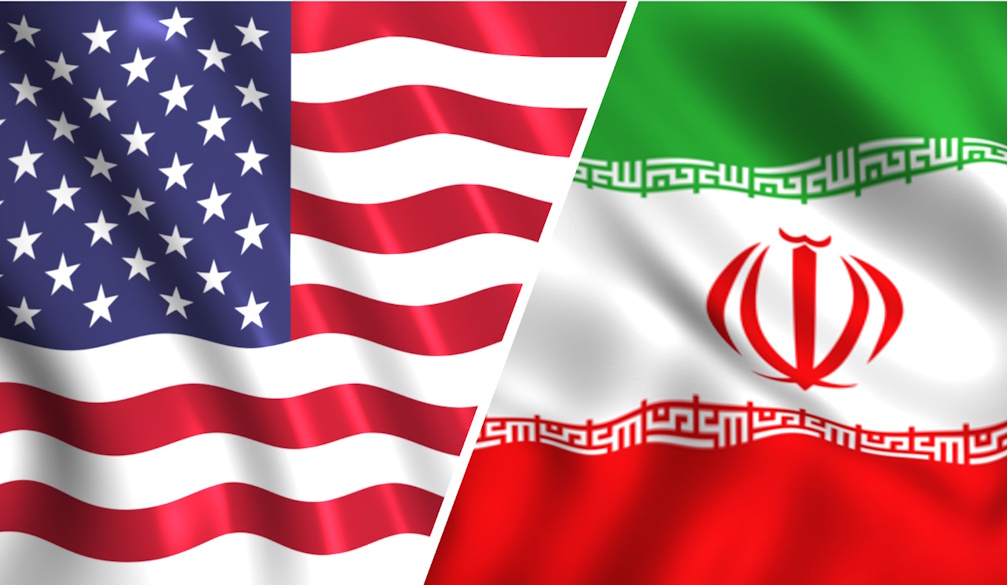
Tensions have once again escalated around the Strait of Hormuz—a narrow but critical maritime corridor through which roughly a fifth of the world’s oil supply flows. Any disruption in this region is not a distant geopolitical concern for Australia; it has immediate and tangible consequences for fuel prices, supply chains, and broader economic stability.
The question now confronting policymakers, businesses and households alike is simple: how exposed is Australia, and what happens next?
Why the Strait of Hormuz Matters
The Strait of Hormuz sits between Iran and Oman, acting as the gateway for oil exports from major producers including Saudi Arabia, United Arab Emirates, Kuwait and Iraq.
When conflict intensifies:
-
Tanker traffic slows or halts
-
Insurance premiums surge
-
Shipping routes are diverted or suspended
Even the threat of disruption can send global oil markets into shock.
Australia’s Exposure: More Than Many Realise
Australia does not import most of its crude oil directly from the Gulf. However, that offers limited protection. Fuel markets are global, and prices are set internationally.
Australia relies heavily on:
-
Refined fuel imports from Asia
-
Global benchmark pricing (Brent crude)
-
Just-in-time supply chains with limited domestic storage
This means a supply shock anywhere—especially in the Gulf—translates quickly into higher costs at the pump.
Australia’s domestic refining capacity has also shrunk significantly over the past decade, leaving the country more dependent on imported petrol, diesel and jet fuel.
Immediate Impact: Price Shock and Volatility
The first effect of renewed conflict is almost always price.
Oil traders price in risk instantly. Even without physical disruption:
-
Crude prices spike
-
Wholesale fuel costs rise within days
-
Retail petrol prices follow within one to two weeks
For Australian consumers, this means:
-
Petrol and diesel prices climbing sharply
-
Increased cost of living pressures
-
Higher transport and logistics costs feeding into inflation
The Reserve Bank and policymakers will be watching closely, as energy price shocks complicate already fragile economic conditions.
Freight and Trade: The Second Wave
Beyond fuel prices, the next layer of impact hits trade.
Shipping disruptions in the Strait of Hormuz can lead to:
-
Delays in global freight movements
-
Increased shipping costs
-
Congestion at alternative routes
Australia, as a trading nation, is particularly sensitive to these shifts.
Imports of manufactured goods, machinery, and consumer products may face:
-
Longer delivery times
-
Higher landed costs
-
Reduced availability
Exports can also be affected indirectly if global demand weakens due to rising energy costs.
Aviation and Domestic Transport
The aviation sector is among the most exposed.
Jet fuel costs are a major component of airline expenses. A sustained increase in oil prices will:
-
Push up airfares
-
Reduce flight frequency on marginal routes
-
Pressure airline profitability
Domestic transport operators—trucking, rail, and logistics—face similar pressures, with diesel price increases flowing directly into operating costs.
Strategic Vulnerability: Fuel Security in Focus
Events in the Gulf inevitably reignite debate around Australia’s fuel security.
Key concerns include:
-
Limited domestic fuel reserves relative to consumption
-
Heavy reliance on imported refined fuels
-
Exposure to global supply disruptions
While Australia participates in international energy agreements and maintains some strategic reserves offshore, critics argue that the country remains structurally vulnerable in a prolonged crisis.
What Could Happen Next?
Several scenarios are possible, each with different implications:
Short-Term Escalation, Rapid De-escalation
Markets spike but stabilise quickly. Fuel prices rise temporarily before easing.
Sustained Tension Without Full Blockade
Oil remains elevated. Businesses and consumers absorb higher costs over months.
Major Disruption or Blockade
This is the most severe scenario:
-
Significant global supply shortages
-
Sharp and sustained fuel price increases
-
Potential rationing or government intervention in extreme cases
While a full closure of the Strait of Hormuz is unlikely due to the global consequences, even partial disruption is enough to cause economic pain.
How Australia Can Respond
In the immediate term, Australia has limited control over global energy markets. However, responses can include:
-
Strategic release of fuel reserves if necessary
-
Diplomatic engagement with international partners
-
Monitoring and managing domestic supply chains
Longer term, the situation reinforces the need for:
-
Greater fuel storage capacity
-
Diversification of supply sources
-
Investment in alternative energy and electrification
The Bottom Line
Renewed conflict around the Strait of Hormuz is a reminder of how interconnected—and fragile—the global energy system remains.
For Australia, the consequences are not abstract. They will be felt at the petrol pump, in freight costs, in airfares, and ultimately across the entire economy.
Cheap and stable fuel has long been taken for granted. Events like these suggest that assumption may no longer hold.