


Why cash has made an unexpected comeback in Australia: new study
- Written by: John Hawkins, Head, Canberra School of Government, University of Canberra
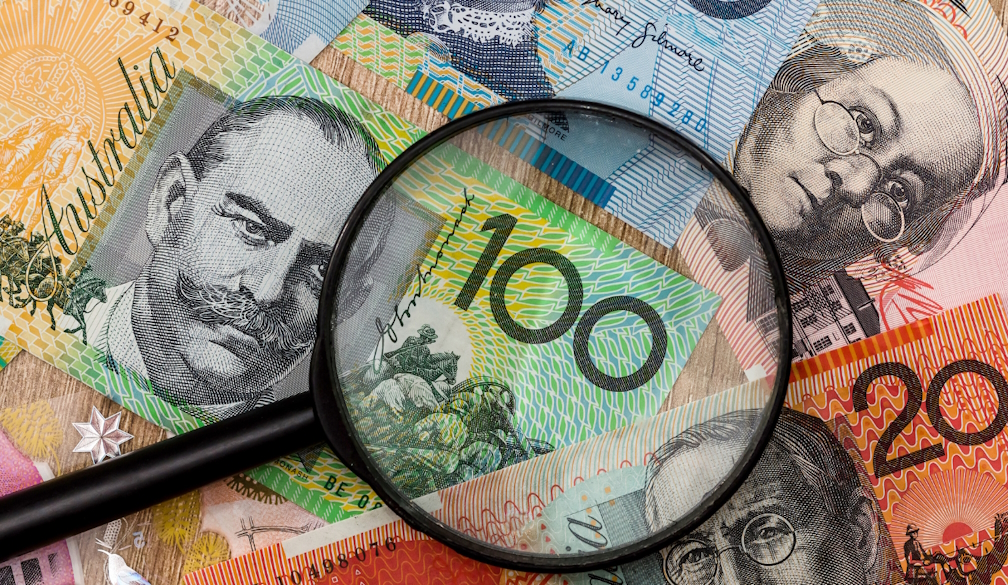
After two decades of declining cash use, Australians are handing over more banknotes and coins for regular purchases again, a new survey by the Reserve Bank[1] has found.
The decline in the use of physical money had accelerated during the COVID pandemic, but bottomed out between 2022 and 2025.
Around 15% of payments in 2025 were made using cash. Cash is more likely to be used for small transactions, with a quarter of transactions below $10 paid in cash.
Cash therefore accounts for a smaller proportion (8%) of the total value of payments we made than of the number of payments.
One decision that may stabilise the use of cash is that since January 2026 the federal government has mandated[2] that most grocery stores and petrol stations must continue to accept cash.
Who are the main users of cash?
About half of Australians use cash in a typical week, the survey found.
Around 7% of the population use it for more than 80% of their transactions. These high cash users tend to be older, poorer and more likely to live in regional areas than the average Australian.
Cash use is notably higher in remote areas, including in some First Nations communities where digital services are less reliable.
People making illegal transactions are also likely to be higher cash users, but this may be understated in the Reserve Bank’s survey. There are $50 billion of $100 notes[3] in circulation – almost 20 for every Australian. Given most people rarely see one, the suspicion is they are used and hoarded by criminals[4].
Among the biggest declines in cash use were for dining out and takeaway food, and transport, reflecting the increased use of card payments and digital payment methods.
Why do people prefer cash?
A third of Australians highly value being able to pay with cash. They say they would face a major inconvenience or hardship if they could not use it.
The most common reasons[5] were they transact with sellers who only accept cash; find it simplifies budgeting; prefer it for giving money to family and friends; or have security or privacy concerns.
Another reason why consumers may prefer to use cash is to avoid surcharges imposed by many merchants for using alternatives. From October 2026, these surcharges will be banned[6].
Even people who rarely make payments with cash often like to keep some in their wallet.
Three-quarters of Australians hold some cash in their wallets. The median amount held is $65. The most common reason stated is concern about the reliability of electronic payment methods. The Red Cross has suggested[7] families keep some cash, as payment systems may not operate in an emergency.
While there is still substantial demand for cash, it is becoming harder to access. There are fewer bank branches. The number of automated teller machines, particularly those owned by banks, has fallen from a peak[8] of more than 30,000 to under 25,000, the Reserve Bank said.
What are the alternatives?
A previous survey[9] for the Reserve Bank conducted in 2022 showed about half of all payments were made using debit cards and a quarter using credit cards. BPAY and Paypal each accounted for 2% of payments.
Data from the Bank for International Settlements show[10] that cash in circulation in Australia is equivalent to about 4% of annual gross domestic product – about the same as in Canada and the United Kingdom. By contrast, it is less than 1% in Sweden but around 20% in Hong Kong and Japan.
Other countries have also experienced[11] the decline in the use of cash flattening out recently.
References
- ^ Reserve Bank (www.rba.gov.au)
- ^ federal government has mandated (ministers.treasury.gov.au)
- ^ $50 billion of $100 notes (www.rba.gov.au)
- ^ used and hoarded by criminals (www.afr.com)
- ^ common reasons (www.rba.gov.au)
- ^ surcharges will be banned (theconversation.com)
- ^ suggested (www.redcross.org.au)
- ^ fallen from a peak (www.rba.gov.au)
- ^ previous survey (www.rba.gov.au)
- ^ show (data.bis.org)
- ^ experienced (www.bis.org)
Read more https://theconversation.com/why-cash-has-made-an-unexpected-comeback-in-australia-new-study-281029










