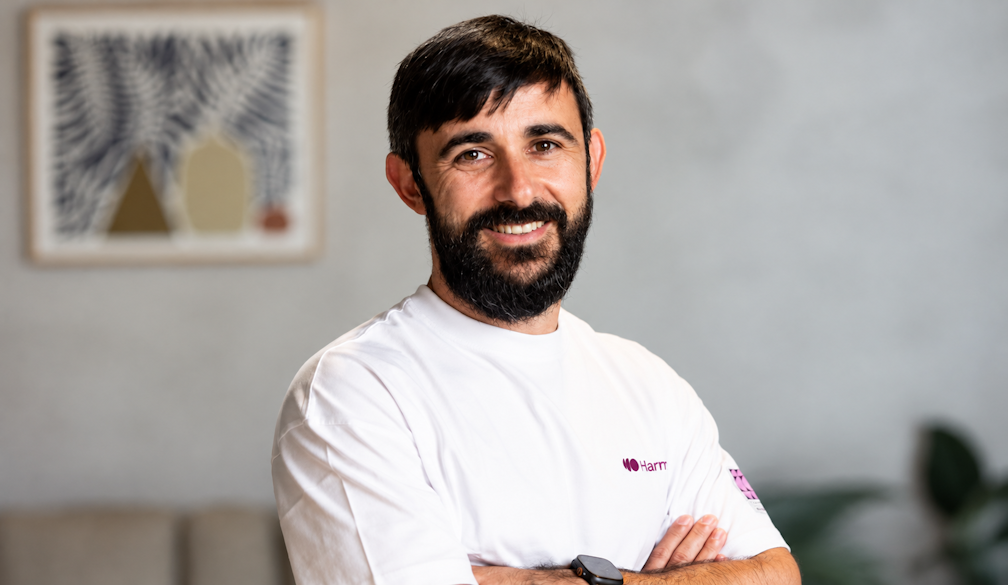
By picking Tim Walz as her running mate, Harris shows she’s running her own race, by her own rules
- Written by: Emma Shortis, Adjunct Senior Fellow, School of Global, Urban and Social Studies, RMIT University
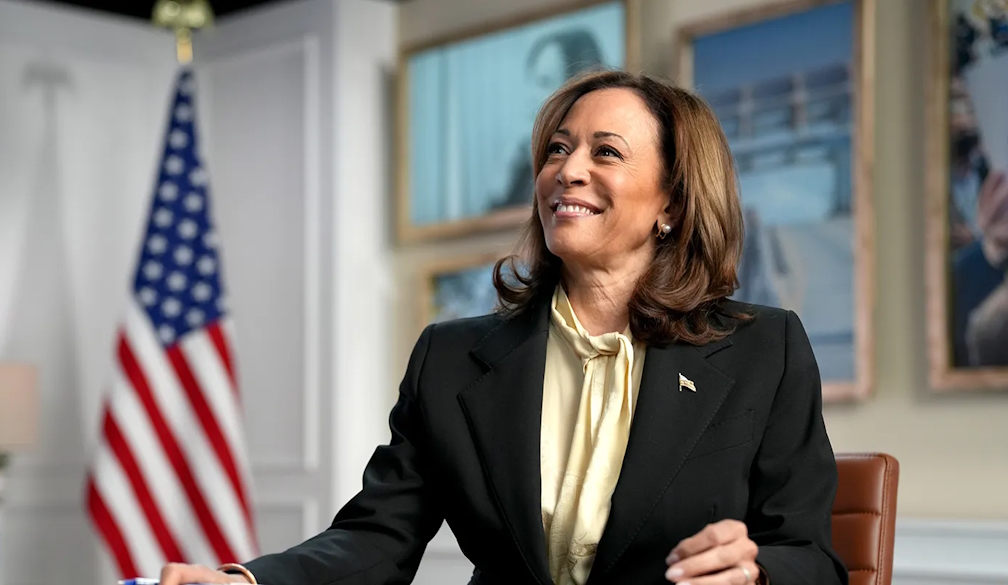
On Tuesday morning US time, US Vice President Kamala Harris called Minnesota Governor Tim Walz to ask him to be her running mate in her campaign for the presidency.
After telling Harris he “would be honoured”, the first thing Walz observed was “the joy that you’re bringing back to the country, the enthusiasm that’s out there”.
Harris’ choice of Walz confirms and leans into this extraordinary vibe shift in American politics. In only a fortnight, the campaign has been flipped on its head.
The choice of vice-presidential running mate is often understood as relatively unimportant in the grand scheme of a presidential administration. The focus is often almost exclusively on what a vice-presidential candidate can bring to the election: which state they might help the campaign to carry.
Harris’ choice of Walz over the other major contender, Pennsylvania Governor Josh Shapiro, suggests her thinking is much broader than this.
Shapiro was, in effect, the establishment candidate. He was widely considered the “safe” pick – someone who would appeal to the centre of American politics, is popular with Republicans and would bring with him the critical swing state of Pennsylvania. The grey eminence of the Democratic Party, former President Barack Obama, was behind him[1].
The fact that Harris did not pick Shapiro tells us a great deal about both how this campaign will be run, and the future of the Democratic Party more broadly.
Walz’ elevation is indicative of a major shift in the party – one that Harris is leading.
Instead of continuing a long-standing trend of distancing itself from its own base, particularly on the left, the Harris campaign appears to be paying a great deal of attention to it. In her apparent rejection of the establishment’s favoured candidate, she also appears to be embodying that generational power shift that Biden promised but never delivered.
Walz has widely been framed as the progressive choice. Unlike Shapiro, he has been consistent in his support for protesters who stand against the United States’ role in supporting Israel – particularly students.
Last week, a large group of progressive Democrats wrote to Harris[2], urging her not to pick Shapiro because his position on Israel and protests would shatter the unity that had unexpectedly come over the Democrats since President Joe Biden stood aside. Harris, distinguishing herself from the president, appears to be listening.
Taken together, all of this suggests Harris’ electoral strategy might be quite different from an established pattern. Rather than focusing mostly on appealing to a small group of (often mythical[3]) swing voters, she is focused on uniting and mobilising the Democratic base.
This is an entirely valid electoral strategy that recognises further alienating Democratic voters in critical swing states like Michigan – where much of Biden’s immediate troubles began[4] – might not be the most effective.
And Walz, with his dad-joke energy, still has that “white dude[5]” appeal that most analysts believe Harris will need to keep the “blue wall” standing by winning states like Michigan, Pennsylvania and Wisconsin.
Harris’ opponents – both of them white dudes – have not responded to these dramatic changes with particular effectiveness. Harris’ broad appeal seems to have taken them almost entirely by surprise.
Harris is focused, as Walz himself observed, on joy and enthusiasm, while her opponents seem to be busy being weird.
While it’s easy to see this vibe as shallow and limited to internet culture[6], it also, like the choice of Walz, tells us a lot about the substance of this campaign.
Like his presidential running mate, Walz has a strong record on abortion rights. In Minnesota, he led the codification of state-based abortion rights after the federal Supreme Court overturned Roe v Wade. Walz and Harris’ effective characterisation of their opponents as being “weird” about women and gender taps into this critical, mobilising issue in a unique way, demonstrating how this campaign is about substance just as much as it is about vibes.
More broadly, Harris and Walz are looking to the future in a way that the Democrats were simply unable to do under Biden. The Democrats are now able to offer a radically different vision of the future of the United States than that of both their opponents and their predecessors.
The fundamentals of the American electoral map remain the same. But the calculations have now changed dramatically.
Unburdened by what has been, Harris and Walz are free to lean in to the weird joy of a dramatically changed election campaign.
References
- ^ behind him (www.nytimes.com)
- ^ wrote to Harris (drive.google.com)
- ^ mythical (www.politico.com)
- ^ began (theconversation.com)
- ^ white dude (www.theguardian.com)
- ^ internet culture (theconversation.com)