Australia's first mobile cooling hub is ready for searing heat this summer – and people who are homeless helped design it
- Written by: Jane Currie, Professor of Nursing, Queensland University of Technology
Heatwaves are a major public health hazard. Socially disadvantaged people are especially exposed to extreme heat and other impacts of climate change. Many people experiencing homelessness – more than 120,000[1] on any given day in Australia – are exposed to extreme temperatures sleeping on the street, in cars or tents[2], or in overcrowded and substandard housing.
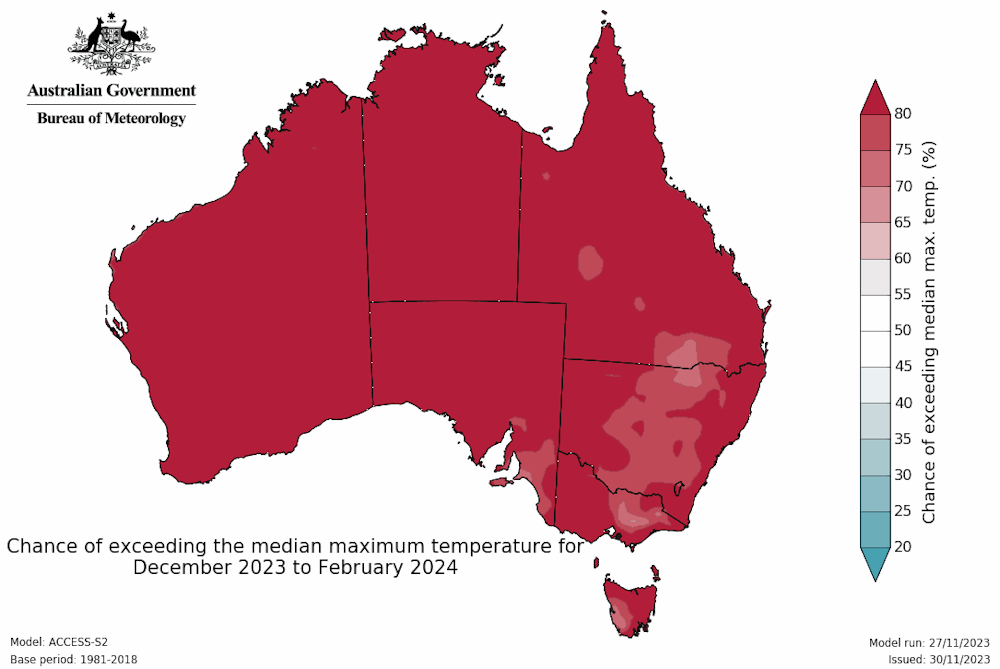
Researchers are working with people experiencing homelessness, St Vincent’s Hospital and the City of Sydney to design, deliver and evaluate a mobile “cooling hub” this summer. The Bureau of Meteorology is predicting[3] an unusually hot summer. The pilot project in Surry Hills will use low-cost strategies, including misting fans, to keep 54 people at a time cool on the hottest of days.
We’ll use the HeatWatch[4] app, developed by the University of Sydney, to know when to set up the cooling hub. It’s the first time the app, as a preparedness tool, and a mobile hub like this have been deployed in Australia. Renewable energy will power the hub, so this response isn’t itself contributing to climate change.
Read more: Cruel summer ahead – why is Australia so unprepared?[7]
Homelessness increases heat risks
Climate change represents a health emergency[8]. The extremes of climate change can be devastating for the health of people experiencing homelessness[9]. They are more exposed to heat as it can be very hard for them to find cool spaces[10], particularly in cities.
People in this situation are also more likely to be vulnerable to the impacts of heat, as many have chronic health conditions[11], such as heart disease. Some medications[12], for both physical and mental health conditions, can reduce a person’s ability to regulate their body temperature.
Extreme heat places enormous strain on a person’s body, including their heart[13]. It can lead to serious illness[14] and even death.
Severe heat also creates significant costs. In a 2020 Sydney heatwave, the cost of treating heat illness in just two people who were homeless was A$70,184[15].
The World Health Organization estimates[16] climate change will cause 250,000 deaths a year from 2030, at a cost of US$2-4 billion ($A3-6 billion).
Read more: Homelessness today sees workers and families with nowhere stable to live. No wonder their health is suffering[17]
Ensuring the hub meets people’s needs
Our team plans to help hundreds of people stay cooler and safer in Sydney this summer. The cooling hub has been co-designed[18] with people experiencing homelessness. This process will help ensure the hub meets the needs of the people it’s meant to assist at times of extreme heat.
People with experience of homelessness worked with researchers and health workers to determine where to set up the cooling hub, what to include inside, how to make the community aware of the service, and how to reach out from the hub and bring people to it. For example, for many people experiencing homelessness, being able to access health care, connect with others, bring their pets and store belongings are all important.
The cooling hub will be set up at Ward Park, Surry Hills, and will be open in the daytime during extreme heat. It will comprise a marquee and low-tech equipment that maximises cooling and health support. The hub can be set up quickly and easily and relocated as required.
Nurses, doctors and peer support workers of St Vincent’s Hospital Sydney, Homeless Health Service and City of Sydney public liaison officers will staff the hub. They will provide evidence-based[19] cooling strategies and monitor body temperature, blood pressure and heart and breathing rates to identify early signs of heat illness.
People who are at high risk of heat illness will leave the hub with a pedestal or handheld fan and water spray bottle. All will receive information on how best to stay cool.
Hub users will be advised to stay hydrated and in the shade, limit activity in the heat of the day and remove heavy clothing. Each of these measures can be very effective in keeping cool.
The hub will also offer food and opportunities to access social and housing supports.
Read more: Melbourne now has chief heat officers. Here's why we need them and what they can do[20]
Creating a blueprint for others
In 2021, St Vincent’s Hospital Sydney and others set up a vaccination hub[21] for people experiencing homelessness during the COVID pandemic. The lessons from that initiative were written into a blueprint[22] for others to use.
Our evaluation of the cooling hub will include satisfaction and experience surveys along with environmental and health data to estimate its acceptability, effectiveness and cost efficiency. This will include its impact on attendances for heat illness at St Vincent’s Hospital emergency department.
Drawing on what is learned, we will write a cooling hub blueprint for other services to apply.
Read more: Efforts to find safe housing for homeless youth have gone backwards. Here's what the new national plan must do differently[23]
Climate justice in action
People experiencing homelessness are poorly represented in disaster planning. The consequences can be devastating. Yet simple preventive strategies, carefully applied with communities, are likely to reduce the health impact of heatwaves.
Heat is one of the many impacts of climate change that are not felt equally. People who are most disadvantaged[24] bear the greatest cost.
A climate justice response to climate change is essential, one that works with the most disadvantaged people in our community to meet their needs. Our initiative will provide a blueprint for co-designing a cooling hub with disadvantaged people and responding to their needs in the climate crisis.
References
- ^ more than 120,000 (www.abs.gov.au)
- ^ tents (www.sciencedirect.com)
- ^ predicting (media.bom.gov.au)
- ^ HeatWatch (heatwatch.sydney.edu.au)
- ^ Bureau of Meteorology (www.bom.gov.au)
- ^ CC BY (creativecommons.org)
- ^ Cruel summer ahead – why is Australia so unprepared? (theconversation.com)
- ^ health emergency (www.ama.com.au)
- ^ health of people experiencing homelessness (ajph.aphapublications.org)
- ^ hard for them to find cool spaces (pubmed.ncbi.nlm.nih.gov)
- ^ chronic health conditions (www.ncbi.nlm.nih.gov)
- ^ medications (pubmed.ncbi.nlm.nih.gov)
- ^ heart (www.ncbi.nlm.nih.gov)
- ^ lead to serious illness (www.thelancet.com)
- ^ A$70,184 (www.mdpi.com)
- ^ estimates (www.who.int)
- ^ Homelessness today sees workers and families with nowhere stable to live. No wonder their health is suffering (theconversation.com)
- ^ co-designed (mhcc.org.au)
- ^ evidence-based (www.thelancet.com)
- ^ Melbourne now has chief heat officers. Here's why we need them and what they can do (theconversation.com)
- ^ vaccination hub (www.mdpi.com)
- ^ blueprint (apo.org.au)
- ^ Efforts to find safe housing for homeless youth have gone backwards. Here's what the new national plan must do differently (theconversation.com)
- ^ disadvantaged (www.taylorfrancis.com)