Using social media for your holiday 'inspo' can be risky and even dangerous – here's why
- Written by: Samuel Cornell, PhD Candidate, School of Population Health, UNSW Sydney
How do you choose your next travel destination? Social media platforms like Instagram and TikTok are handy tools for holiday research, full of #inspo for new and beautiful places to go.
However, behind those mesmerising selfies, highlights and reels, there’s often a stark reality that isn’t shared. Our ongoing research[1] shows that dangers abound from social media related misadventures. These include the hidden dangers of getting to the location, as well as the ecological strains on sites that get overcrowded with tourists.
Australia, with its breathtaking natural wonders, is no stranger to the downsides of social media tourism. Many people have been injured, needed rescue or even perished when visiting trendy places.
Read more: Trampling plants, damaging rock art, risking your life: taking selfies in nature has a cost[2]
The illusion of safety
Influencers are in the business of presenting the best version of their experiences – not necessarily the safest. Our interviews with influencers who make content of beautiful places in nature, reveal that they see themselves as entertainers more than guides.
When it comes to the risks associated with the places they promote, they don’t view safety communication as their responsibility.
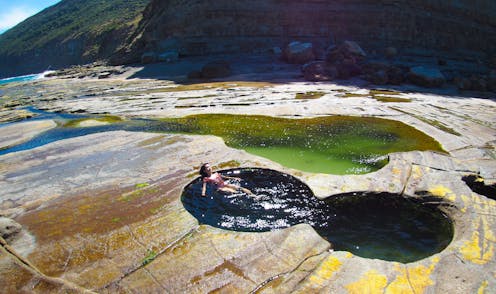
The Figure Eight Pools[3] in New South Wales’ Royal National Park are one potent reminder of how online portrayals and reality don’t always match up. The photos showcase tranquil pools with glistening waters. But many visitors, enticed by these images, have faced the peril of sudden large waves washing over the rock shelf and even causing injuries[4].
Babinda Boulders, near Cairns in Queensland, is another such location. Wrapped in lush rainforests, this waterhole might seem inviting, but its tragic history of drownings[5] speaks volumes – 21 drownings since 1965, and three since 2020.
Despite this, the pull of picturesque posts lures visitors into prohibited and dangerous areas[6].
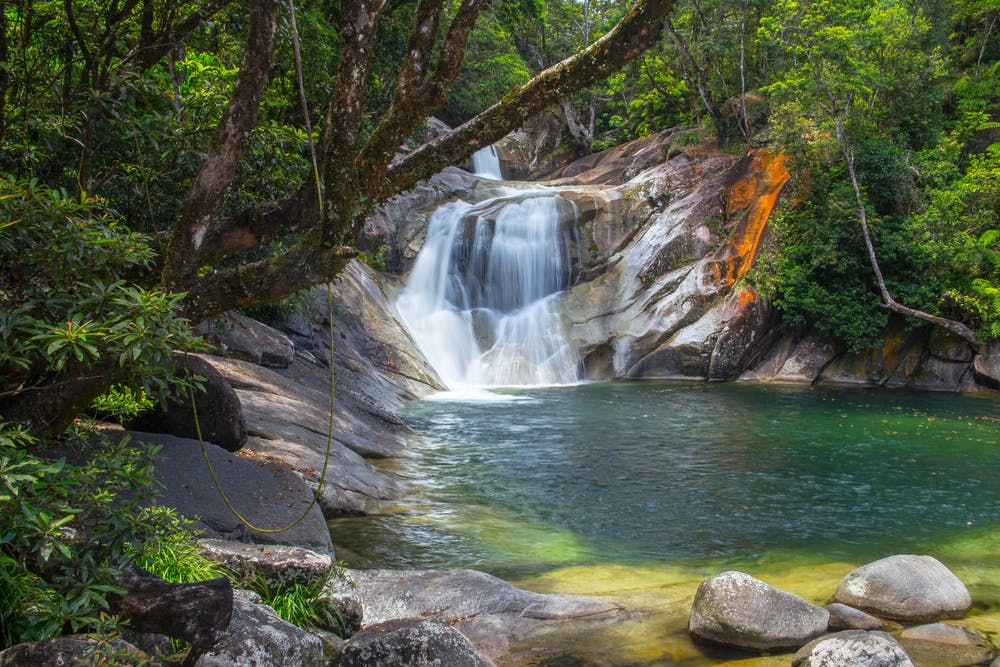
Josephine Falls in Queensland has also experienced numerous incidents[7], all requiring resource-intensive rescues. Unfortunately, for many visitors, the warnings provided by Queensland Parks and Wildlife Service are to no avail – the lure of social media content is simply too strong.
A burden on local infrastructure
Aesthetically pleasing, curated tourism content sets unrealistic expectations. Visitors who want to see the “insta-famous” scenery often find themselves underprepared for the actual experiences, sometimes leading to unsafe choices.
Drone shots can be particularly misleading. While they capture expansive vistas from above, they mask the ground-level challenges and dangers.
The Balconies[9] in the Grampians National Park in Victoria is another infamous spot for taking risky photos for Instagram. To get the photo they came for, tourists must traverse a barrier. The viral content has led ever-increasing numbers of people to these rocks for a shot – risking their lives for the same photo hundreds of others have posted.
Additionally, geotagging (attaching metadata, such as latitude and longitude coordinates, to a photo) has its merits, offering travellers directions to exact locations. However, it’s a double-edged sword.
When a location becomes popular on social media, the influx of visitors can strain local infrastructure. As Hyams Beach[10] in NSW went viral on various platforms, the once-peaceful coastal village grappled with traffic congestion and overwhelmed local resources.
Lincoln’s Rock in the Blue Mountains in NSW, once a little-known spot, was transformed by geotagged posts into a magnet for tourists and influencers. Some would engage in risky behaviours at the cliff edge. It’s one of many lookouts that once had few footprints, and is now a popular vista with little infrastructure.
Some regional areas simply don’t have the infrastructure or capacity to handle a large influx of tourists. As social media algorithms push trending posts even further[11], once-secluded gems face threats of overtourism.
Read more: Dangerous selfies aren't just foolish. We need to treat them like the public health hazard they really are[12]
Be a responsible tourist
While it’s easy to fall prey to the siren call of viral destinations, it’s essential to approach with caution and do proper research before you set out.
It’s important to stay aware of your surroundings, especially in natural areas, and not get tunnel vision, or “tourist gaze[13]”.
Fortunately, in Australia, national parks provide detailed information about popular locations. They can be relied upon to give accurate information and a true representation of the area, including safety information and guides for great hikes and the best lookouts.
All states in Australia have parks agencies that provide this information online (and they’re on social media, too).
Things to keep in mind
Social media is a highlight reel. Before diving into that enticing pool or hiking that mountain, do thorough research. Don’t let it be your last swim
engage with locals, understand the history, the culture, and importantly, respect the environment
it’s also essential to challenge the content we consume and share. By geotagging responsibly and authentically portraying experiences, we can safeguard Australia’s treasures
social media is a powerful tool but needs to be wielded wisely. Australia’s natural wonders are worth more than just a fleeting snapshot; they deserve our utmost respect and care.
So, as you scroll through your feed, dreaming of your next escape, remember that every location has a story beyond its pixels. Dive deep, explore responsibly, and treasure the real over the reel.
Read more: 'Your first emotion is panic': rips cause many beach drownings, but we can learn from the survivors[14]
References
- ^ ongoing research (www.jmir.org)
- ^ Trampling plants, damaging rock art, risking your life: taking selfies in nature has a cost (theconversation.com)
- ^ Figure Eight Pools (www.nationalparks.nsw.gov.au)
- ^ even causing injuries (www.abc.net.au)
- ^ tragic history of drownings (au.news.yahoo.com)
- ^ dangerous areas (www.news.com.au)
- ^ experienced numerous incidents (au.news.yahoo.com)
- ^ JuliaHermann/Shutterstock (www.shutterstock.com)
- ^ The Balconies (www.grampiansguide.com.au)
- ^ Hyams Beach (www.visitnsw.com)
- ^ push trending posts even further (www.mdpi.com)
- ^ Dangerous selfies aren't just foolish. We need to treat them like the public health hazard they really are (theconversation.com)
- ^ tourist gaze (theconversation.com)
- ^ 'Your first emotion is panic': rips cause many beach drownings, but we can learn from the survivors (theconversation.com)