How to deal with hangry kids and reduce the chances of it happening again – 3 tips from nutrition experts
- Written by: Alison Spence, Senior Lecturer in Nutrition and Population Health, Institute for Physical Activity and Nutrition (IPAN), Deakin University

Like adults, children can get “hangry[1]” – a combination of angry and hungry[2]. Hangriness[3] may be caused by blood glucose levels dropping, leading to irritability, bad mood, anger or tantrums.
Children have smaller stomachs than adults so may become hungry again sooner. Some may not notice they’ve become very hungry until the moment of crisis.
So, what can parents do when hangriness strikes – and reduce the risk of it happening again?
Read more: Health Check: the science of 'hangry', or why some people get grumpy when they're hungry[4]

What’s really going on?
First: is your child really hangry, or just angry? Feeding straight away isn’t always the answer. Ask yourself:
how long has it been since they last slept, and how was last night’s sleep? If they’re actually tired, a storybook, toy or cuddle might do. Consider whether their next meal can be earlier today – before they’re too tired to eat.
has anything else upset them? If so, act on this, rather than using food to distract or soothe.
how long has it been since they last ate? Did you miss a meal in the parenting rush? It happens! Maybe it’s time to pause for a healthy snack[5].
If it’s not long until lunch or dinner, you could:
just wait
let them start on the vegetable component of the meal, or
snack on some easy veggies (of age-appropriate texture) like a carrot, capsicum or cucumber.
Dinner could be trickier if they’ve filled up on yoghurt or biscuits, so try not to serve things they love (other than veggies) at this time.
If your child complains of hunger but only wants a particular food or refuses veggies, consider whether they really are hungry.
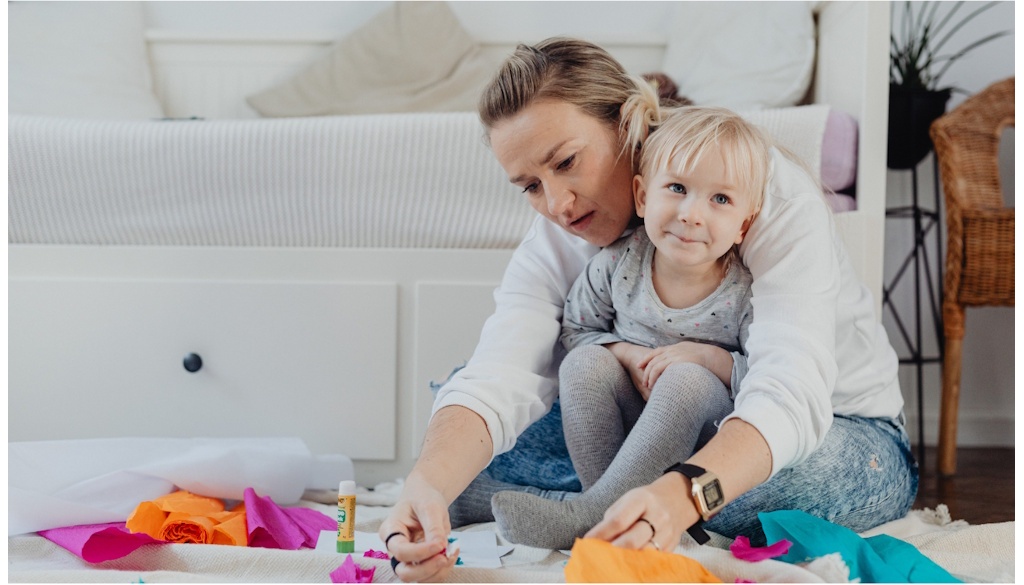
 Has anything else upset your child? If so, act on that.
Shutterstock
Has anything else upset your child? If so, act on that.
Shutterstock
Try not to get foods and emotions too entwined
Many adults struggle with overeating to manage their emotions, a behaviour often learned in childhood[6].
It’s important to find other ways of improving moods so children don’t learn to rely on foods to manage emotions. Explore other activities like listening to music, playing, or having a cuddle. We can also teach children other non food-based ways to manage their emotions, such as mindfulness[7] and deep breathing.
Using food as a reward or to calm can also lead to emotional eating[8]. This may increase children consuming foods irrespective of hunger.
On the other hand, overly restricting food can have unintended effects and lead to emotional eating.
3 ways to reduce hangriness risk
1. Maintain a regular eating routine
For most young children, three meals and two snacks a day[9] works well. Having these at predictable times helps children learn to eat at meal times and be able to wait until the next meal.
Try to limit grazing. Grazing can set up a cycle where children aren’t hungry at meal times, so eat little, but then become hungry (or hangry) again soon after.
This can frustrate parents who’ve prepared a meal that isn’t eaten, and then feel pressured to prepare extra foods between meals. Grazing, even on nutritious foods, can also contribute to tooth decay[10].
2. Include foods that help children feel fuller for longer
Try to serve nutritious, substantial snacks. Including some protein and carbohydrates can help maintain their energy levels from one meal to the next.
Try natural yoghurt, milk, hummus, nuts/nut butter (of age-appropriate texture), eggs, oat muesli or wholegrain bread, to go with fruit or veggie snacks.
 Hummus can be paired with veggie snacks.
Shutterstock
Hummus can be paired with veggie snacks.
Shutterstock
3. Encourage children to pay attention to their hunger and fullness cues
It can be tempting to pressure kids to eat more at mealtimes, or offer different foods if they reject what’s served.
But this is unlikely to help in the long run and can create a rod for your own back. It can turn mealtimes into a battle and parents into short-order chefs.
Pressuring children to eat can override their ability to self-regulate; they can get into a habit of overeating instead of listening to their hunger and fullness cues.
“Parents provide, kids decide[11]” reminds us a parent’s role is to provide nutritious foods at regular intervals; it’s the child’s role to decide how much to eat.
If you include something at each mealtime you know your child will eat, such as a favourite vegetable, then they’ll likely eat something if they are hungry.
If they really don’t want to eat then maybe they aren’t hungry, and that’s OK.
 Parents provide, kids decide.
Shutterstock
Parents provide, kids decide.
Shutterstock
Other tips[12] include eating together, eating the same foods, modelling enjoyment of those foods, and turning screens off while eating.
This is general advice for healthy children, but some may have more interest or enjoyment in food, or be more fussy, and may be particularly prone to difficult behaviour when hungry. If your child experiences severe fussiness, restricted eating, or you have concerns about their nutrition or health, speak with your child health nurse, doctor, or accredited practising dietitian.
If you are finding it financially difficult to get enough nutritious food for your family, support is available to access food[13] and low cost recipes[14].
A well child’s health and nutrition is unlikely to suffer with occasional short bouts of hunger.
Yes, hangriness happens occasionally (it’s normal for children to test the boundaries!). But it’s OK to stay firm and ride it out. With an eating routine there’s another meal not too far away.
Read more: Kids' diets and screen time: to set up good habits, make healthy choices the default at home[15]
References
- ^ hangry (www.oxfordlearnersdictionaries.com)
- ^ angry and hungry (www.theguardian.com)
- ^ Hangriness (journals.plos.org)
- ^ Health Check: the science of 'hangry', or why some people get grumpy when they're hungry (theconversation.com)
- ^ healthy snack (raisingchildren.net.au)
- ^ learned in childhood (www.ncbi.nlm.nih.gov)
- ^ mindfulness (growingearlyminds.org.au)
- ^ emotional eating (doi.org)
- ^ three meals and two snacks a day (doh.health.tas.gov.au)
- ^ tooth decay (raisingchildren.net.au)
- ^ Parents provide, kids decide (raisingchildren.net.au)
- ^ tips (www.cookwelleatwell.org.au)
- ^ access food (askizzy.org.au)
- ^ low cost recipes (www.cookwelleatwell.org.au)
- ^ Kids' diets and screen time: to set up good habits, make healthy choices the default at home (theconversation.com)