


I have mild COVID – should I take the antiviral Paxlovid?
- Written by: Mark Morgan, Professor of general practice, Bond University
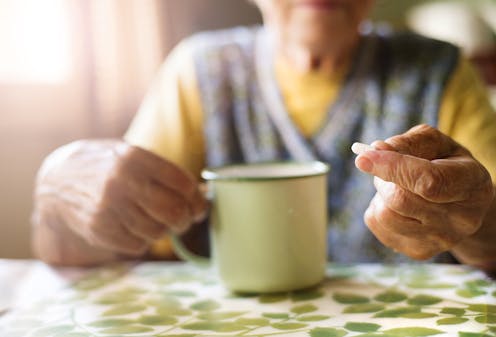
The COVID medication Paxlovid has been available[1] in Australia on the Pharmaceuticals Benefits Scheme (PBS) since the start of May, with eligible patients directed to talk to their GP for a prescription.
Paxlovid[2] is an oral treatment for mild COVID, taken as a tablet, which has two active ingredients: nirmatrelvir and ritonavir. Together, they reduce the ability of SARS-CoV-2, the virus that causes COVID, to multiply in your body.
So who should access Paxlovid? And what are the potential benefits and side effects of using this medication for mild COVID?
Read more: What is Paxlovid and how will it help the fight against coronavirus? An infectious diseases physician answers questions on the COVID-19 pill[3]
How effective is it?
Evidence for the effectiveness of Paxlovid comes from a study[4] that compared it with a placebo (an inactive treatment) in 2,246 unvaccinated adults who had mild to moderate COVID. They had risk factors for severe disease but didn’t need admission to hospital.
The group that took Paxlovid had a reduced chance of being admitted to hospital, with a rate of eight per 1,000 people. This compares with 63 per 1,000 in the group that didn’t receive Paxlovid: a big reduction.
Paxlovid may also prevent people dying of COVID, though this is less clear, as there were only small numbers of deaths in the study.
The study didn’t include children, adolescents, pregnant or breastfeeding women, or people who had been vaccinated, so the safety and effectiveness of Paxlovid in these groups is less certain. More research in these groups, and in comparison to other treatments, would be very helpful.
The study was also conducted before the Omicron variant was circulating. There are no data about the effectiveness of Paxlovid against Omicron specifically, but there are no particular reasons to think it would be less effective.
What are the downsides?
The biggest downside with Paxlovid is that it can cause serious side effects if combined with many commonly used drugs for a wide range of other conditions.
In some cases, people taking these drugs should not receive Paxlovid; in other cases, it may be possible to pause or change the dose of the other medication for the five days you’re taking Paxlovid.
It’s important to discuss all your medications – including herbal and non-prescription medications, and any plans to change them – with your doctor and pharmacist before beginning Paxlovid.
Drug interaction checkers[6] can help identify which medications might interact with it. Detailed information on potential drug interactions is available in the Therapeutic Goods Administration product information for Paxlovid[7].
Other commonly reported side effects[8] include headache, diarrhoea, vomiting and dysgeusia, or “Paxlovid mouth”, where foods taste metallic, sour or bitter.
There are a few reports surfacing about people experiencing COVID symptoms again after finishing their course of Paxlovid. Researchers and health authorities are continuously monitoring for emerging evidence of harms associated with taking the medicine.
Read more: COVID made things taste weird, now 'Paxlovid mouth' sounds disgusting. What causes dysgeusia?[9]
What are the risk factors for severe COVID?
Paxlovid is most helpful for people with mild COVID symptoms who are at high risk of developing severe disease. Because it works by stopping the virus making copies of itself, to be effective, it needs to be started within five days of developing COVID symptoms.
The study that demonstrated the effectiveness of Paxlovid included unvaccinated people with one or more of these risk factors for progression to severe COVID disease:
age 60 years or above (though the Australian cut-off is 65)
diabetes requiring medication
obesity (defined in the study as BMI of 25 kg/m² or above)
heart disease
high blood pressure
chronic lung disease.
There are other people who are at higher risk of severe illness from COVID and may benefit from Paxlovid. This includes some people with reduced kidney function, reduced immune function because of medicines or HIV infection, severe disability, some cancers and blood disorders.
If you’re unvaccinated or partially vaccinated, or fully vaccinated but with a combination of these risk factors[11], and have mild COVID in the first few days of symptoms, your doctor may recommend[12] Paxlovid.
How do I access Paxlovid?
Paxlovid must be prescribed by a doctor or nurse practitioner.
It is listed on the PBS[13] for adults who have mild to moderate COVID confirmed by a PCR or a positive rapid antigen test result verified by a medical practitioner or nurse practitioner, and who can start treatment within five days of symptom onset. This means the prescription will cost[14] A$42.50 (or $6.80 for health-care card holders).
People who meet the following criteria can get a prescription for PBS-subsidised Paxlovid from their doctor or nurse practitioner if they:
are 65 years of age or older, with two other risk factors for severe disease
are 75 years or older, with one other risk factor for severe disease (as increasing age is a risk factor)
identify as Aboriginal or Torres Strait Islander origin, and are 50 years of age or older with two other risk factors for severe disease
are moderately to severely immunocompromised.
Other medications are available to treat mild COVID[15] in people who are at risk of developing severe disease. Each of the drugs has pros and cons. Your doctor will discuss the best available treatment options with you.
Paxlovid is not a treatment for people who are very unwell with COVID. If you are in hospital with COVID, your clinical team will discuss other treatment options with you.
Read more: I’m at home with COVID. When do I need to see a doctor? And what treatments are available?[16]
References
- ^ been available (www.pbs.gov.au)
- ^ Paxlovid (www.nps.org.au)
- ^ What is Paxlovid and how will it help the fight against coronavirus? An infectious diseases physician answers questions on the COVID-19 pill (theconversation.com)
- ^ study (pubmed.ncbi.nlm.nih.gov)
- ^ Shutterstock (www.shutterstock.com)
- ^ Drug interaction checkers (www.covid19-druginteractions.org)
- ^ product information for Paxlovid (www.ebs.tga.gov.au)
- ^ commonly reported side effects (www.ebs.tga.gov.au)
- ^ COVID made things taste weird, now 'Paxlovid mouth' sounds disgusting. What causes dysgeusia? (theconversation.com)
- ^ Shutterstock (www.shutterstock.com)
- ^ risk factors (covid19evidence.net.au)
- ^ may recommend (app.magicapp.org)
- ^ PBS (www.pbs.gov.au)
- ^ will cost (www.pbs.gov.au)
- ^ to treat mild COVID (covid19evidence.net.au)
- ^ I’m at home with COVID. When do I need to see a doctor? And what treatments are available? (theconversation.com)
Read more https://theconversation.com/i-have-mild-covid-should-i-take-the-antiviral-paxlovid-183913










