Will different cultural groups favour one side of politics this federal election? – podcast
- Written by: Benjamin Clark, Deputy Engagement Editor, The Conversation
Is there any such thing as the so-called “ethnic vote” in a country as multicultural as Australia? Do different cultural groups favour one side of politics over another? For instance, in Victoria’s most marginal seat of Chisholm, will the Hong Kong-born Liberal MP Gladys Liu be advantaged by the Chinese diaspora living in her electorate?
In the latest episode of Below the Line, hosted by award-winning broadcaster Jon Faine, we talk to Chinese media expert Wilfred Wang from the University of Melbourne to understand why there are no easy answers to these questions.
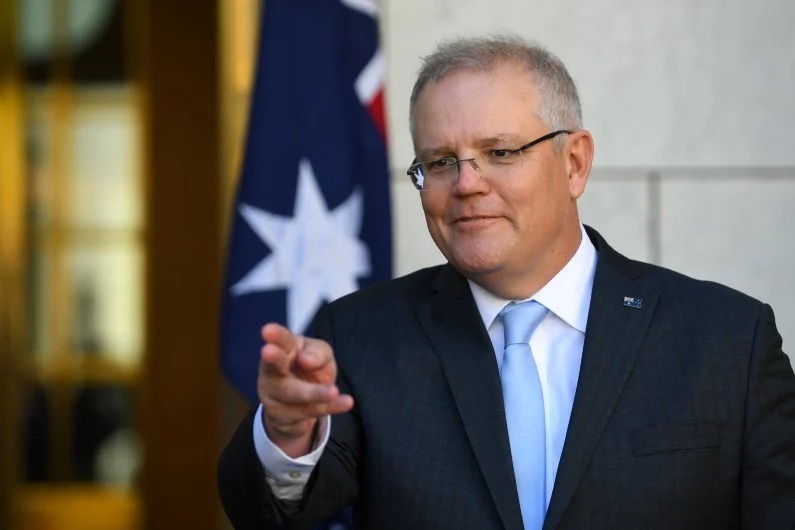
Andrea Carson asks if a negative Labor ad circulating online about Liu’s connections to China – which Prime Minister Scott Morrison called “sewer tactics” – will harm her electoral prospects.
“It’s unlikely,” Dr Wang explains, because Chinese Australians do not vote uniformly, with their support fragmented across the major parties and the Greens.
He also says there is little evidence from 2019 that Liberal election messages on the Chinese online platform WeChat played a big role in Liu’s 2019 electoral success.
“WeChat didn’t play such a vital role in shaping Chinese Australians’ votes, even for those voters from mainland China,” says Dr Wang, contradicting some of the party and media speculation at the time.
To read Dr Wang’s forthcoming article on misinformation targeting migrant communities, which is mentioned in the program, visit his author profile[1] early next week or subscribe to our daily newsletter[2] to be alerted as soon as it goes live.
As Simon Jackman notes, the top 10 seats with the highest proportions of non-English speakers are in Melbourne and Sydney, and he reminds us that more research needs to be done to understand these ethnic voting patterns. Anika Gauja says this is further complicated by shifts in immigration demographics, with a big influx of Indian migrants in the past decade, which both sides of politics are trying to capitalise on.
Meanwhile, Anthony Albanese has returned to the campaign trail after a week in isolation with COVID-19 – but how much of a difference did his physical absence make to communication Labor’s messages to voters? Less than the Coalition would have liked, conclude our expert panel.
Finally, Jon asks why Scott Morrison and his team have already said “yes” to a second leaders debate on May 8 (Mother’s Day) with Channel Nine, but Labor is yet to commit? What does this tell us about how the Liberal party might see its own electoral prospects?
Below the Line is a limited-edition election podcast brought to you by The Conversation and La Trobe University.
Image credit: James Ross/AAP
Disclosure: Simon Jackman is an unpaid consultant on polling data for the Climate 200 network of independent candidates.
References
- ^ author profile (theconversation.com)
- ^ subscribe to our daily newsletter (theconversation.com)