Sydney Design Week 2024
- Written by: The Times
How can design push boundaries to support sustainable models for living, connection and culture? Sydney Design Week 2024 brings together visionary designers, architects and artists who are creating space for alternative futures. Powerhouse has today unveiled the Sydney Design Week 2024 program presented from 13–19 September.
Titled ‘In Between Worlds,’ Sydney Design Week 2024 will feature events across the city. Programmed by Creative Director Keinton Butler, Senior Curator at Powerhouse, in collaboration with Amaia Sánchez-Velasco from GRANDEZA STUDIO, festival highlights presented at the University of Technology Sydney will include keynote discussions by Academy Award-winning production designer Colin Gibson on how he imagines real world prototypes for the future, architect and artistic director of the inaugural Islamic Arts Biennale Sumayya Vally who will discuss designing for belonging and international architecture practice Office for Metropolitan Architecture (OMA)’s managing partner – architect David Gianotten who will share insights into the changing role of architecture.
At Parramatta Town Hall, Moroccan-British artist Hassan Hajjaj will explore his maximalist approach to image making while international space architect Melodie Yashar will present her perspective on the ethics of space settlement. MAIO co-founder and architect Professor Anna Puigjaner will delve into the reimagination of domestic spaces and the idea of design as a tool for social transformation.
Parramatta will be the home for food events that display alternative methods of documenting culture and storytelling through cuisine. Sydney food creative Karima Hazim and Sumayya Vally will prepare a traditional Lebanese Sunday breakfast at Baba Ghanouj Parramatta, highlighting how family recipes capture snapshots of significant milestones and cultural shifts. Professor Puigjaner will collaborate with Powerhouse’s Vitocco Kitchen program manager Xinyi Lim on a special culinary event in Parramatta Square, sharing global food stories and bringing the act of cooking into the public domain.
The Australian Production Design Guild will take audiences between worlds at a family-friendly weekend event at Powerhouse Castle Hill. The program includes all-ages design workshops facilitated by leading designers including award-winning production designer Jacinta Leong, behind the scenes tours of Powerhouse Castle Hill’s state-of-the-art research, conservation and collection storehouse and insights into the magic behind production design.
Sydney Design Week 2024 is presented with the support of the NSW Government, Principal Partner Holdmark Property Group, Foundational University Partners University of Technology Sydney and Western Sydney University, Festival Partner City of Parramatta and Accommodation Partner Ace Hotel Sydney.
Powerhouse Chief Executive Lisa Havilah said, ‘Powerhouse is proud to present Sydney Design Week 2024. For nearly three decades, this annual event has brought together the world’s most influential designers and creatives to spotlight design’s essential role in bringing communities together. I’m excited to see how this year’s program will amplify the rich and diverse stories of our communities and cultures through disciplines including food, film production and space exploration.’
Sydney Design Week Creative Director Keinton Butler said, ‘Creativity and imagination have become critical tools in helping us to think differently about how we live, as we face an increasingly divided, inequitable future. This year’s design week program highlights leading designers and architects who are challenging the status quo, to reimagine more resilient, sustainable and inclusive cities.’
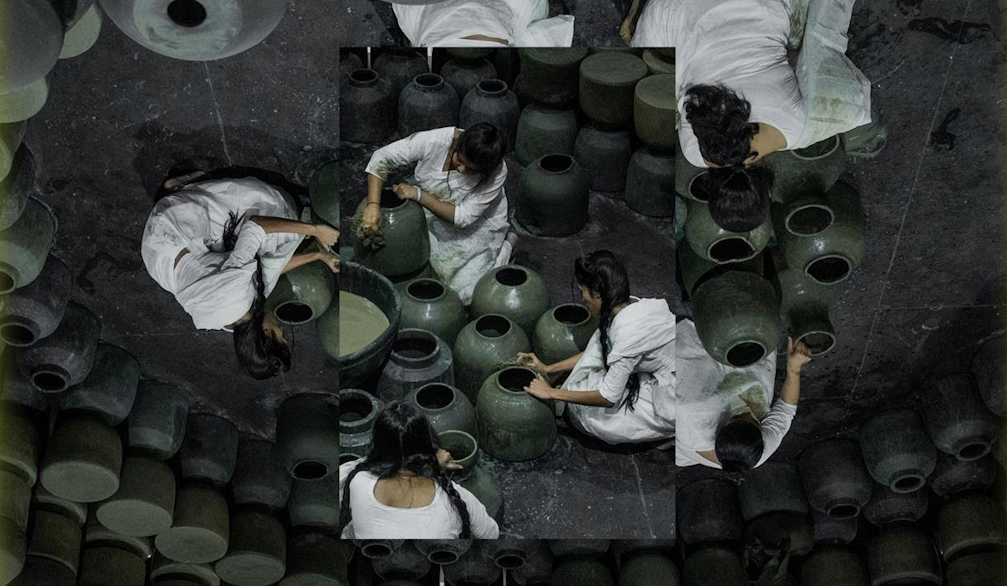
Image: Dhaka Arts Summit Pavilion Sumayya Vally. Courtesy Dhaka Arts Summit.
PROGRAM INFORMATION
SYDNEY DESIGN WEEK 2024 - 13–19 September 2024
FULL PROGRAM
Beyond Architecture
David Gianotten of OMA shares insights into the global architecture firm’s groundbreaking community-led projects and signals the changing role of the architect.
Friday 13 September 2024
6–7pm
University of Technology Sydney
Free, registration
Building Worlds
The Australian Production Design Guild takes us ‘In Between Worlds’ for a family-friendly workshops, tours and insights into the magic of production design.
Saturday 14 September 2024
10am–3pm
Powerhouse Castle Hill
Free, registration
Recipes as Archives
Join architect Sumayya Vally and food creative Karima Hazim for a Sunday breakfast featuring traditional Lebanese recipes that celebrate family, food and culture.
Sunday 15 September 2024
Baba Ghanouj Parramatta
10–11am
Tickets $15
Places of Belonging
Architect and artistic director Sumayya Vally and poet Sara Mansour discuss how places can be designed to bring communities together.
Sunday 15 September 2024
2–3pm
University of Technology Sydney
Free, registration
Future Prototypes
Academy Award winning production designer Colin Gibson discusses how he imagines and creates real world prototypes for the future.
Monday 16 September 2024
6–7pm
University of Technology Sydney
Free, registration
Space Architectures
Space architect, technologist and researcher Melodie Yashar talks about space settlement and designing resilient homes for off-world living.
Tuesday 17 September 2024
6–7pm
Parramatta Town Hall
Free, registration
Sydney Design Week Urban Kitchen
Chef Xinyi Lim and architect Anna Puigjaner prepare local ingredients to tell global food stories in a temporary kitchen in Parramatta Square.
Wednesday 18 September 2024
11.30am–1.30pm
Parramatta Square
Free
Collective Care
Prof Anna Puigjaner on her approach to creating new architectural models for the practice of collective living and care that are re-imagining how we live.
Wednesday 18 September 2024
6–7pm
Parramatta Town Hall
Free, registration
Maximalist Identities
Artist Hassan Hajjaj discusses his maximalist approach to making images that pushes the boundaries of portraiture, art and cultural commentary.
Thursday 19 September 2024
6–7pm
Parramatta Town Hall
Free, registration