Australians can now recycle unwanted sports balls
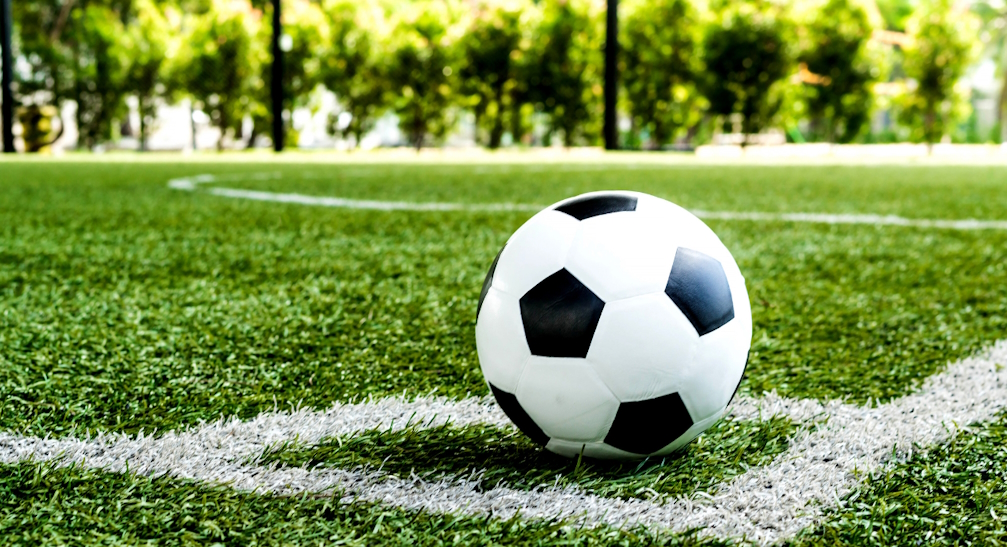
It’s predicted that 330 million sports balls are made worldwide each year – but where do they end up? TreadLightly launches new SPORTS BALL recycling program.[1]
TreadLightly today launches its new SPORTS BALL recycling program, aimed at reducing the millions of sports balls that end up in landfill each year, working closely with leading Australian brands to tackle sports waste.
TreadLightly is an industry-led national recycling program established in 2021, powered by the Australian Sporting Goods Association (ASGA). The program is dedicated to empowering Aussie sports enthusiasts to lower their impact on the planet and helping to actively combat the waste generated by the sports industry.
Until now, TreadLightly has focused on recycling sports footwear, but for the first time, the program is expanding to include sports balls which will be collected at specific collection points. Since 2022, the SPORTS BALL program (formerly Game On Recycling) collected 35 tonnes of tennis balls, rackets and inflatable sports balls. ASGA has taken over operation of Game On Recycling as part of the TreadLightly initiative.
TreadLightly is working with Australia’s leading sports retailers and manufacturers including Tennis Australia, Rebel Sport, Nike, Wilson, Dunlop, Sherrin and Spalding to bring the SPORTS BALL program to life. Collection points can be found in participating Rebel stores and sports clubs across Australia.
“It’s great to work closely with leading sports retailers and manufacturers to help reduce the impact of sport in Australia. I’m proud of how the sporting goods sector has worked together to find a responsible end-of-life solution for the millions of balls that end up in landfill every year,” said Shaun Bajada, Executive Director, ASGA.
It’s predicted that 330 million balls are made worldwide each year, and most of these eventually end up in landfill. Ball components can also take more than 400 years to decompose, highlighting the urgent need for effective recycling solutions.[2]
TreadLightly aims for 100% of the sports ball to be recycled. The ball is cut into pieces, reusable components are extracted, including rubber, leather and fibres and turned into recycled crumb at local recycling plants.
TreadLightly is also working closely with charity partners, including Reclink, to donate sports balls to community groups in need across Australia.
“As part of our commitment to sustainability, we try to prioritise donation wherever possible, aiming for a 20 per cent donation rate. This ensures that sports balls are ending up where they are needed most to foster community engagement and promote active lifestyles nationwide,” add Bajada.
TreadLightly has successfully recycled over one million sports shoes since 2021, with over 900+ collection points across Australia.
“Our footwear recycling program has been a huge success, and we’re excited to continuing the same success with sports balls. We are looking forward to working closely with our members and sports clubs to roll out this program across Australia.”
“Expanding the TreadLightly initiative to include sports ball is another significant step towards a circular economy. We urge everyone who loves sport to look around their homes for unused sports balls and recycle them rather than throwing them in the bin where they would eventually contribute to landfill,” concluded Bajada.
The sports balls collected will be recycled with sports and active lifestyle footwear, contributing to sustainable products such as rubber mats, retail flooring and more. All material is collected, recycled and manufactured in Australia – providing a local solution to a global waste problem.
To find out more about the TreadLightly SPORTS BALL recycling program, visit https://treadlightly.asga.com.au/sports-balls/