The Moral Dilemma of Sustainable Packaging During A Global Pandemic
- Written by: Preston Geeting

Only eight months ago, the world was a very different place. At the end of 2019, sustainability concerns were rising globally and attitudes were changing. With shoppers beginning to bring their own bags to grocery stores and opting to use disposable products, it was evident that consumer sentiment had massively shifted and a new focus on friendly packaging solutions was emerging.
2020 was set to be the year that the war on plastic would make great advances. Coronavirus then came along and changed all of that.
In less than a year, COVID-19 has turned our world upside down. As we all contended with the unfamiliarity that came from living in a new normal, the war on plastic took a backseat to the pandemic. The pandemic brought a tidal wave of plastic with it; plastic that filled our homes, streets, rivers and oceans.
But why did this happen?
How could a virus press pause on global sustainability goals and instead make plastic fantastic again?
1. Working From Home
As workers were forced from their office cubicles to their kitchen tables, and lockdowns and quarantines ensued, life changed dramatically for everyone.
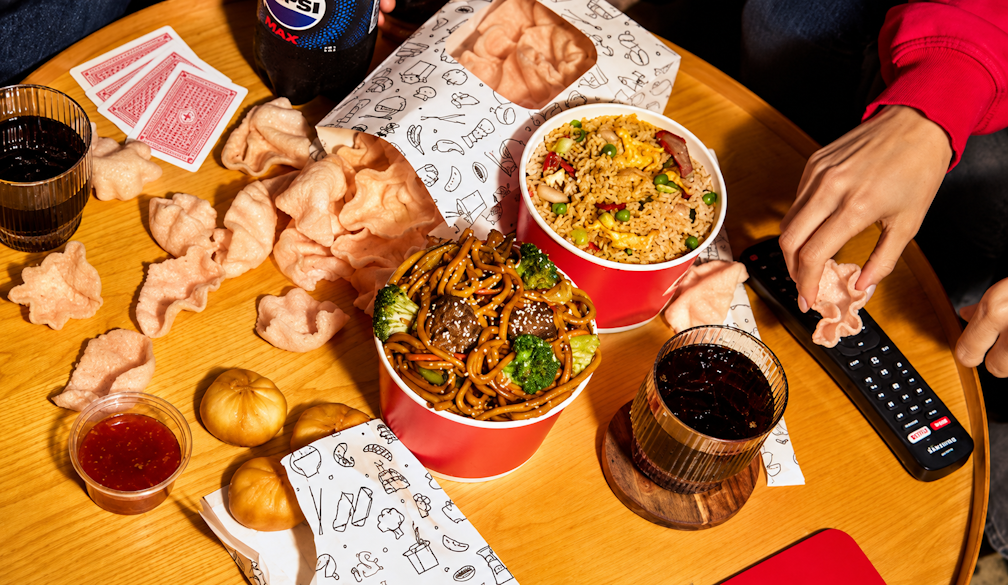
Ecommerce and home delivery soared as people shopped online and ordered takeaway meals instead of dining out at restaurants and cafes. The demand for efficient and effective protective packaging was high as people sought goods that were delivered undamaged but were also safe and hygienic. The risk of surface contamination had been reported. People therefore were worried and opted for plastic covered foods and goods to ensure their products had not been touched or coughed upon by a COVID-19 infected person.
2. Disposable Gloves and Masks
The World Health Organisation recommended the use of masks to overcome the risk of infection. Since then, many areas of the world have made wearing masks compulsory.
Sales of PPE have soared however the amount of masks, gloves and face shields being discarded incorrectly has also soared. These items are now starting to litter our streets, beaches and oceans.
The World Wide Fund estimates that based on the number of masks being purchased currently around the globe, if only 1 per cent of masks were discarded incorrectly and ended up as litter, this would result in 10 million masks being dumped in the environment.
3. Recycling Is Not Possible
One of the greatest barriers to sustainability is simply not having sustainable options available. The pandemic has challenged waste reduction by removing recycling as an option.
Those who are committed to recycling have found that in many cases they are no longer allowed to due to restrictions imposed by the virus. Some coffee retailers are refusing to serve coffee in reusable cups. Some establishments are now advising customers “don’t bring your own containers”. Due to harsh lockdowns, charity shops and recycling depots have been closed and recycling services have been suspended.
In many cases today, even if you really want to recycle your unwanted goods and promote a circular economy, you cant.
A Moral Dilemma Of Epic Proportions
Despite the evident health concerns that a global pandemic brings, consideration must to be given to the heavy burden single use plastic packaging has on the environment. Sustainability was already a major global issue before COVID-19 and is now to a certain regard, ‘on the back burner’. At what point will the focus return and if it does return, will it be too late?
Together We Can
“It is tragic to see how Coronavirus has impacted global health and how petrol chemical companies leveraged it to accelerate more plastic usage in order to roll back progress on plastic pollution” states Susan Koehler, Chief Marketing Officer at Footprint, a US based material science engineering firm focused on reducing or eliminating plastics through the development and manufacturing of revolutionary plant based technologies.
“The pandemic has challenged people’s view of sustainability because they are understandably worried about health and hygiene, but it is still possible to protect your health and the environment. There needs to be more support and education in this area. There needs to be more innovation in packaging development and collaboration between recycling companies and providers. We know that by working together we absolutely can achieve a sustainable future, for ourselves, our children, and our children’s children.
Getting Back To Where We Belong
The world has changed and by now we all know that the new normal is here to stay. We might not be going back to life as we knew it just yet, but sustainable development goals for consumption and production will become a key global priority once again.
Technology is already well on its way to creating a recyclable, friendly packaging solution. It will be the most innovative companies that embrace this technology and lead the way forward in the race to protect our planet and build a more sustainable future.
About Packform: All industries of the world are seeing a major shift in the way things are done. Traditional methods are being replaced with more innovative and efficient processes that make maximum use of advancing technology. Why should the packaging industry be left behind? Packform aims to be a tool that allows all players in the packaging industry to achieve maximum efficiency with minimum effort. It gets the job done in a fraction of the time usually taken by adopting traditional packaging processes. It is a borderless platform that allows its users to have the world at their fingertips with its innovative geo-mapping, which finds suppliers locally, nationally or internationally. Packform aims to provide assurance of quality by only allowing industry leaders with extensive experience in the packaging industry to come on-board as ‘packaging dealers’.
About Preston Geeting:Preston Geeting is the co-founder and director of Packform. After studying International Business at London Metropolitan University and Business Administration at California Lutheran University, Preston turned entrepreneur. Prior to Packform, Preston was Vice President for the publicly listed packaging company Landsberg Orora. He began as a sales representative and became one of the company’s most successful brokers over his 18-year career.