Lockdown brings increased digitisation of Australian health and lifestyle habits
- Written by: Media Release
nbn Covid-19 Behavioural Change Survey
Lifestyle habits of Australians have undergone a major shift since the COVID-19 pandemic first hit, with record numbers of Australians exploring online substitutes for everything from access to health support services to exercise, skills training and entertainment.
The nbn Behavioural Change Survey investigated internet usage habits before and during social distancing, to understand how data consumption needs have changed during the COVID-19 crisis. The survey, conducted by Venture Insights and commissioned by NBN Co, found increased demand for key online activities, providing new insight into behaviour changes that may endure once social distancing restrictions are eased.
Adoption of telehealth services
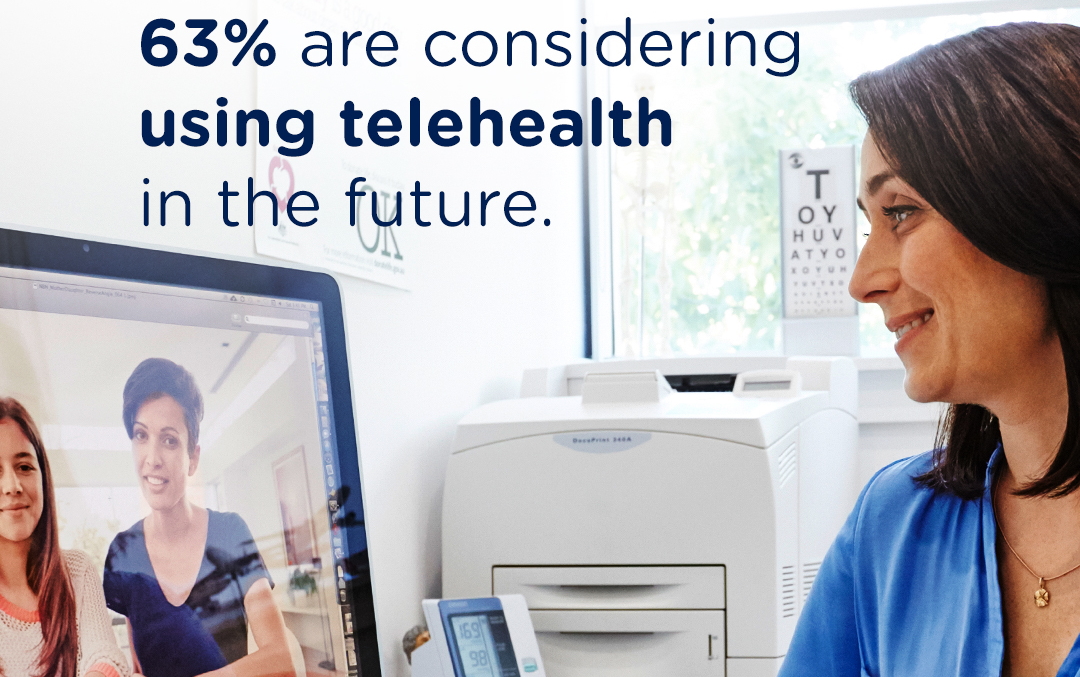
Telehealth has emerged as a key new activity in the COVID-19 environment. 48% of respondents who have needed to access a health service during the crisis have done so using a telehealth service and almost two thirds (63%) of respondents are open to considering using telehealth in the future.
The change in healthcare habits has occurred across age demographics. The number of over 65s accessing telehealth services doubled from 1 in 8 (13%) to 1 in 4 (27%), and the future looks bright for telehealth with those aged 25-34 most open to accessing these services in the future.
Beating social isolation
Access to online services has played a significant role in keeping us connected with the research showing 84% of respondents who have worked from home during the crisis have beaten social isolation by connecting with family through video calls.
Australians are also missing the social connection from work colleagues with almost three quarters (73%) of respondents making social video calls with their colleagues, up from just over half pre COVID-19 (54%).
Upskilling, keeping active and entertained
Both physical and educational training has been at the fore during COVID-19 with half of respondents (50%) working from home indicating they are also working on their fitness with the assistance of online classes, up from 1 in 3 (38%).
Young Australians aged 18-24 have also used their social distancing time to upskill with almost one third (30%) undertaking online work skills training and 1 in 4 (26%) doing so on a regular basis. This was in contrast to those aged 55-64 where only 15% reported having done so.
In addition, the research revealed an increase in spending on entertainment equipment, with 1 in 6 (15%) purchasing items such as smart TVs, media devices or digital assistants to keep them entertained during downtime.
Brad Whitcomb, Chief Customer Officer, NBN Co commented:
“We’ve seen online activity significantly increase during COVID-19 as Australians rely on broadband to work from home, access telehealth services, learn new skills, connect with friends and family and enjoy entertainment. Our research shows that people have significantly increased their use of online services and that many expect new online habits to stick as life returns to normal.
“One of the activities that is being heavily supported is telehealth. The waiting room is no longer an essential stop on the path to see a GP and now more than ever Australians of all ages are accessing telehealth services - a trend that is likely to continue once restrictions have lifted.
“Accessing telehealth services saves both money and time as patients no longer need to jump in the car and drive to a consultation. This is particularly important for many regional and rural Australians who may need to travel long distances to see a specialist,” he added.
Simone Dudley, Co-Founder of leading allied health telepractice Therapy Connect, commented:
“Telehealth has been a vital element of healthcare for rural and regional Australians for many years. I’ve run a telehealth practice for six years, providing thousands of hours of speech and occupational therapy, psychology and physiotherapy supports to children and families living all over Australia via the nbn. The reality is, many of our clients wouldn’t have access to various forms of therapy and other healthcare practices without telehealth services.
“Over recent months I have noticed the confidence in telehealth services from clients growing, as they realise they can still receive the highest quality treatment. I anticipate people will continue to use telehealth services, particularly as more practitioners begin to offer the service,” Ms Dudley said.
To assist the health sector and support these lifestyle changes, nbn recently announced a COVID-19 connectivity relief package, including offers of higher speeds for telehealth providers to help ensure they have the capability to manage anticipated increase in telehealth activity during this period. As an essential service, they are also eligible to receive, via their internet provider, enhanced service levels, prioritised connections and fault resolution and business-grade services at no additional charge.
For more information on the NBN Behavioural Change Survey and to learn more on what NBN Co is doing to support Australia through COVID-19, please visit: www.nbnco.com.au/campaigns/