Google AI
The Times Australia

Times Media Advertising

Nearly two thirds of Australian SMEs survive on less than two months of cash reserves

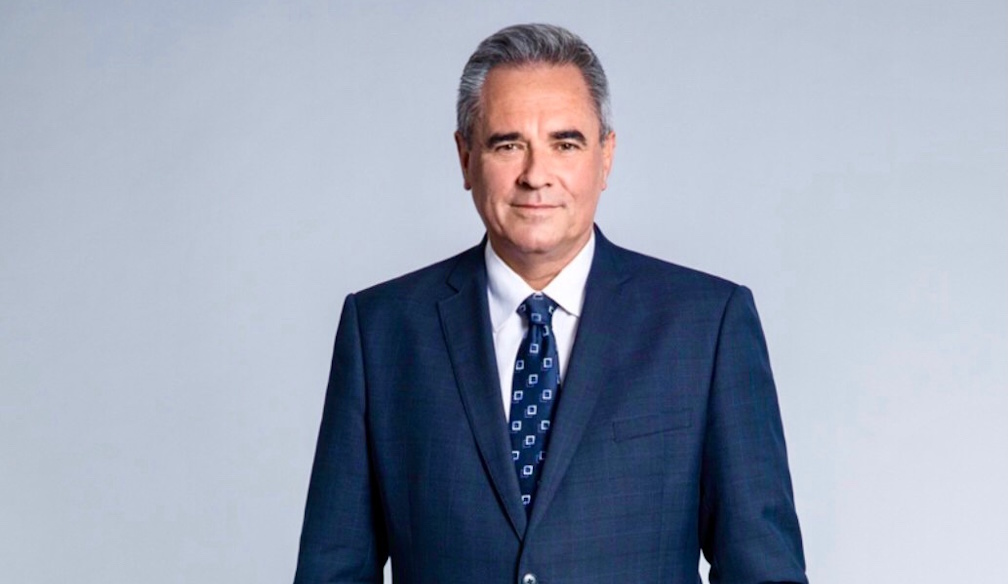
Beau Bertoli


Research from YouGov, commissioned by Australia’s leading online small business lender, Prospa, reveals a depleted runway of cash reserves amongst Australia’s small business community. Forebodingly, over one in five (22 per cent) SME leaders surveyed say their business currently has no cash reserves at all. Others are worryingly close behind with 18 per cent reliant on less than a months’ worth of expenses, and 21 per cent predicting they will run out in just 1-2 months. 
 

While the RBA’s decision to pause rate increases in May was a welcome relief to SMEs struggling to make ends meet, the warning of further increases later this year means businesses must prepare financially.  
 

“The current economic conditions are such that small businesses are getting further away from the three to six months’ cash reserves recommended to cover operating expenses,” said Beau Bertoli, Co-founder and Chief Revenue Officer. 
 

“We’re seeing a particular strain on the retail and hospitality industries, which have been disproportionately impacted by a decrease in discretionary spending, supply chain cost increases and rising fuel and energy expenses”, Beau continued. 
 

Australian SMEs demonstrate resilience once again 
 

Yet while the future may appear bleak from the outside, Australian business leaders are proving their resilience to adverse market conditions once again by taking a solutions-first approach. 
 

Overall, more than three in four (77 per cent) Australian business owners and decision makers say their business already have or are likely to actively adopt strategies in the next 12 months to manage the impact of rising costs. While over two in five (43 per cent) plan to reduce non-essential expenses and 38 per cent are likely to increase their prices in the next 12 months, nearly one in five (17 per cent) of metro-based businesses cite an increased support for technology adoption. 
 

“Technology will be a crucial lifeline for small businesses as they map out their cashflow over the coming months. Streamlining manual backend tasks and harnessing technology to create admin efficiencies will have a direct impact on the productivity - and therefore profitability - of the business. Our data shows business owners know this too and they’re taking the bull by the horns to ensure they not only survive but thrive in the current climate,” said Beau.   


The financial hit becomes personal 
 

However, the hard work and sacrifice made by SME leaders has steadily begun to impact their finances and lives on a personal level, with over three quarters (77 per cent) feeling the squeeze. 
 

As the business purse strings tighten, so too does the personal wallet as nearly half (46%) say they have reduced their own income, and a further 31 per cent have had to dip into their personal funds to pay business expenses. Yet despite switching or likely to switch in the next 12 months to lower-cost suppliers (19 per cent), reducing their pay or bonus (12 per cent), and even reducing their operating hours (11 per cent), undeniably the great toll taken is on the SME leader’s mental health. A huge 44 per cent note increased stress or burnout and nearly a third (29 per cent) cite less time to spend with friends and family due to rising costs and a challenging economic environment. 


“While Australia’s small business community has jumped hurdle after hurdle in recent years, the current economic environment is raising the bar higher than ever before. With cash reserves down, and the personal impact becoming increasingly evident, it's critical that businesses assess the financial support available to them and access what they need to put themselves back in the race” said Beau. 


Methodology 

This study was conducted online between 11th – 17th April 2024. The sample comprised a nationally representative sample of 506 Australian business owners and primary decision makers of businesses with fewer than 50 employees. YouGov designed the questionnaire (in consultation with Prospa). Following the completion of interviewing, the data was weighted by business size and location, and the sample is representative of the Australian population aged 18+ who are business owners/ primary decision makers of businesses with fewer than 50 employees (approximately 2.3 million Australian adults). All figures, unless otherwise stated, are from YouGov Plc.  

Property Times

Property Paralysis: Buyers Hesitate As Australia’s Housing Market Sends Mixed Signals

Australia’s property market may still be active, but beneath the auctions, listings and glossy real estate campaigns, a growing sense of uncertainty is spreading through the market. Buyers are hesitating.Sellers are confused.Banks are cautious but...

The Noise Around the 2026 Federal Budget Does Not Match the Reality for Most Property Investors

Every time the government changes the rules around property investment, the same thing happens. Phones ring, inboxes fill, and investors who have been quietly building wealth for years suddenly wonder if the ground has shifted beneath them. After t...

Budget Shockwaves: What the Federal Budget Means for Australia’s Property Market

Australia’s property market does not operate in isolation. Every federal budget sends signals to buyers, sellers, investors, developers, banks and renters about the direction of the economy, taxation, confidence and household spending. This year’s ...

Real Estate and the Federal Budget: Early Signs Emerging Across Australia’s Property Market

Australia’s federal budget has landed, and while economists, investors and political strategists continue dissecting its long-term implications, the property industry is already searching for early signs of where the market may be heading next. Re...

Food & Dining

People Are Going Out Less — And Businesses Know It

Restaurants are full on some nights. Concerts still sell tickets. Sporting events attract crowds. Yet beneath the surface, many Australian businesses are quietly noticing a major social shift: people are going out less often. The reasons are obvi...

Lasagne Takes Centre Stage at Chiswick Woollahra This Winter

  This winter, Chiswick is launching a Lasagne Series, bringing together chefs from across the Solotel group, alongside acclaimed chef and restaurateur Matt Moran, for a nostalgic celebration of the much-loved baked pasta. Running every Sunday eveni...

Coral Trout Worth Travelling For: Lunch at The Rusty Pelican in 1770 Delivers Perfection

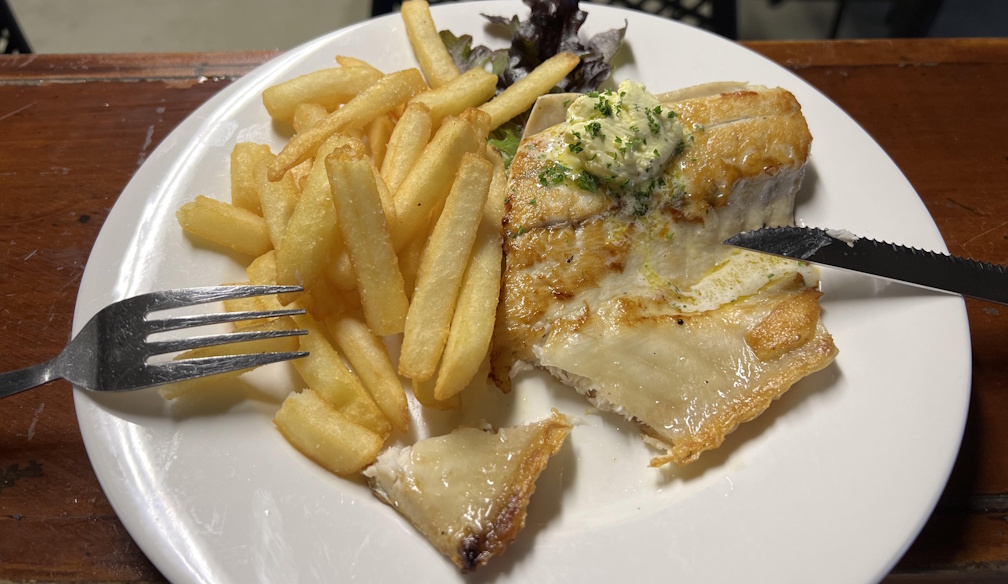
There are fish and chips, and then there are meals that remind Australians why fresh local seafood remains one of the country’s greatest culinary pleasures. A lunch stop today at The Rusty Pelican Cafe near the famous 1770 camping grounds in Centr...

The Rocks and Circular Quay: Ten Restaurants

Restaurants That Showcase Sydney Dining at Its Best Sydney’s dining scene has always benefited from one enormous advantage: location. Few places in the world can combine harbour views, historic sandstone laneways, luxury hotels and globally influenc...

Business Times

Remote’s Modern Payroll Platform Surpasses 300% Growth, Fueling S…

Reaching $300M in ARR and cash flow positivity, Remote expands access to its platform to build for the futureRemote, the glob...

7thDrive Targets National Expansion with Subscription Model Shift

Gold Coast-based premium car hire company 7thDrive is accelerating its growth strategy, evolving beyond traditional car hir...

Why Brisbane Businesses Are Outsourcing to Professional Commercia…

Businesses are outsourcing their cleaning because it saves money, lifts workplace standards, keeps them legally compliant, ...

The Times Features

Nationals move Bill to protect women. Sall Grover inter…

Matt Canavan  All good. Look, well, it's great to be here with my friend and colleague, Alison Pe...

The Human Supplement Craze Has Officially Gone to the D…

Australians’ appetite for supplements is no longer limited to their own vitamin cabinets. New reta...

The Teals: Can They Spoil Australia’s New Attraction to…

Australian politics is shifting again. For years, the dominant national contest revolved around L...

Property Paralysis: Buyers Hesitate As Australia’s Hous…

Australia’s property market may still be active, but beneath the auctions, listings and glossy rea...

The Return Of Practical Luxury: Buyers Want Quality Aga…

For years, consumer culture revolved around speed and abundance. Fast fashion.Fast furniture.Fast...

People Are Going Out Less — And Businesses Know It

Restaurants are full on some nights. Concerts still sell tickets. Sporting events attract crowds. ...

Why Shopping Centres No Longer Feel Exciting

There was a time when going to the shopping centre felt like an event. Families spent entire Satu...

The Liberal Party Faces Its Greatest Question Since Men…

When Robert Menzies founded the Liberal Party of Australia in the aftermath of World War II, Austr...

The Noise Around the 2026 Federal Budget Does Not Match…

Every time the government changes the rules around property investment, the same thing happens. Ph...