Why Startups Are Moving to Sydney
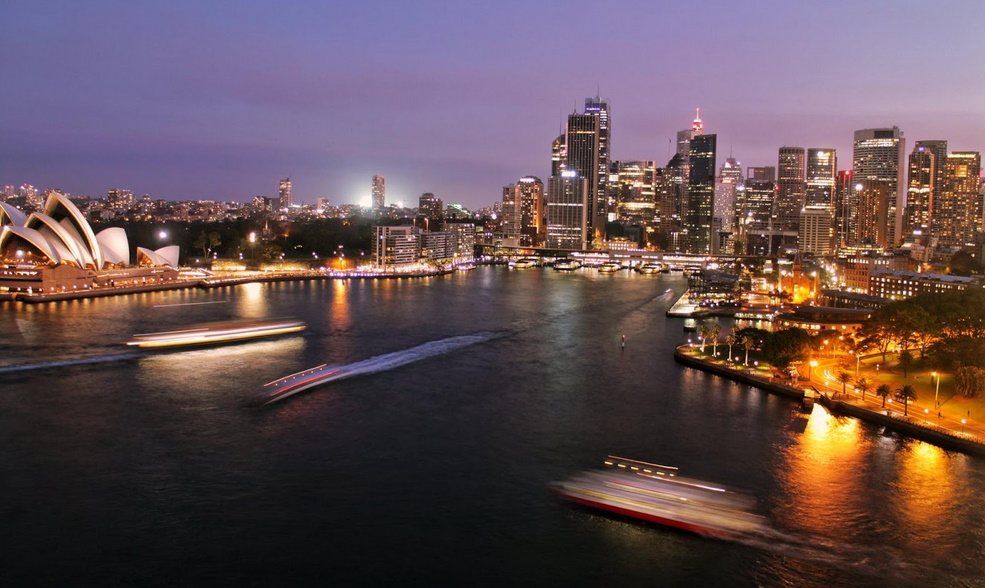
With so many bustling cities on the globe to choose from, one may wonder why there are so many startups in Sydney. The answer lies in Australia’s solid economy, a growth-focused government, and the city’s distinctive population of diverse and skilled residents.
A Strong and Sophisticated Economy
If statistics tell a story, Australia’s economic performance speaks volumes. The country’s economy has grown over three percent every year for almost three decades and is currently the 13th largest economy by GDP in the world. Even during the pandemic, the country has managed to ward off recession and weather the economic impacts of Covid-19 more successfully than most other developed countries.
On top of this, Australia boasts an economic freedom score of 82.4, garnering it third place in the 2021 Score of Economic Freedom, only behind Singapore and New Zealand. The economic freedom methodology is based on rule of law, government size, regulator efficiency, and the openness of markets. More economic freedom indicates greater trade and business freedom.
According to the International Monetary Fund’s World Economic Outlook, Australia’s GDP per capita stands at 9th in the world, thanks to a sustainable domestic economy, steady growth in employment, and a national minimum wage of A$20.33 (US$14.27) per hour. Supported by excellent public healthcare and education, the economy is resilient and robust.
New South Wales (NSW) is the leading and most diverse state economy in the country. It is home to the regional headquarters of over 600 multinational corporations—such as Google and Amazon—and 35 percent of the biggest private businesses by asset value in Australia. This energetic economy regularly surpasses the rest of Australia and most countries in the region.
Focus on Tech and Innovation
Aside from its reputation as a financial and professional hub, Sydney is also the beating heart of technology, innovation, and cutting-edge research and development. Over 64 percent of tech start-ups in Australia are based in Sydney, sharing the city with global digital giants such as Atlassian and Canva.
With the Australian tech startup sector predicted to contribute over a billion dollars or four percent to the country’s economy by 2033, the Sydney government has been proactive in creating an ecosystem that supports entrepreneurship. It launched a Tech Startups Action Plan in 2016 which aims to enable “technology entrepreneurs to start and grow successful global businesses.”
The action plan has been influencing infrastructure decisions and is improving talent acquisition, connecting startups with support, and increasing access to funding and markets. Groups such as Fishburners, iCentral, and Springboard Enterprises Australia provide support and community resources in this highly dynamic environment.
To attract funding to launch and grow startups, the government is offering considerable tax deductions for angel investors. The leading angel investment group in Australia, Sydney Angels, has invested in more than 50 startups since 2008. Part of this supportive ecosystem is also an impressive R&D tax credit system that can cover more than 40 percent of research expenditure, without the need to report profits.
With venture capital investment in Australia on the rise, innovative startups are well-poised for funding opportunities. In March this year, Employment Hero, an online HR services startup, raised A$45 million (US$35 million) in Series D funding. And Sydney continues to make headlines as payments corporation Airwallex announced in July that it would build a new engineering hub in the city.
In one of the most lucrative Series B funding rounds in Australian history, Sydney MedTech company Harrison.ai raised a whopping A$129 million (US$92.3 million). The funding round saw the return of existing backers such as Blackbird Ventures, Skip Capital, and Horizons Ventures, as well as new investment from Sonic Healthcare and I-MED Radiology Network, a strong signal of investor confidence.
An Exception Population
The population of Sydney is another incentive for tech startups. With an estimated population of five million people and growing, Sydney has the largest population of all the cities in Australia. The culturally diverse residents of Sydney come from many different countries and speak a variety of languages, bringing with them links to insights and markets from across the world.
In its workforce of four million, NSW stands out for its highly skilled and educated workforce, with 71 percent of its residents holding white-collar positions. This exceptional pool of talent is bolstered by a constant influx of creativity and untapped potential as students from all over the globe head to Sydney for their higher education.
With its world-class digital communications infrastructure and trading networks, Sydney businesses can connect easily with international markets. The city’s time zone provides an additional advantage when dealing with Asia, allowing businesses to connect easily with the massive tech markets of China, India, and Indonesia.
With a passion for lifestyle and the arts, a myriad of cultural influences, a stable economy, and a safe and family-friendly vibe, Sydney is a unique global city. Startups can make the most of the city’s support for tech startups and find their success in an exciting and flourishing economy.