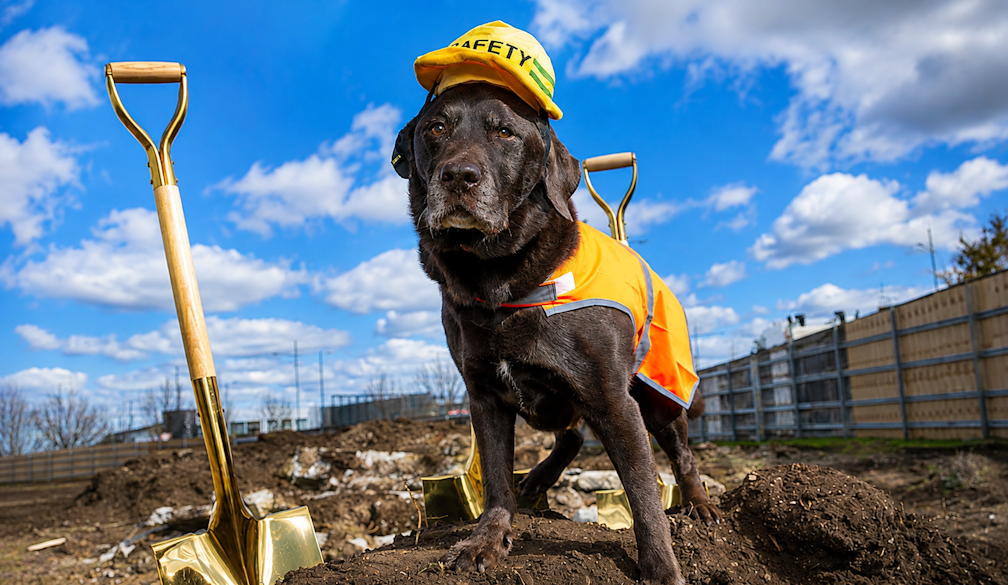
Major Health and Wellbeing Hub Breaks Ground at Essendon Fields
- Written by: Times Media
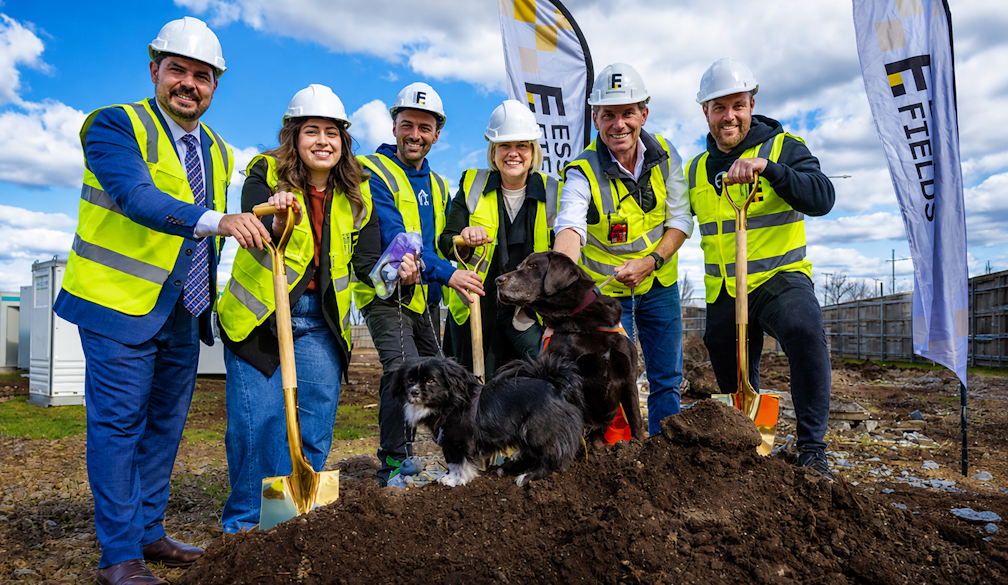
Work is now underway at 74 - 76 Hargrave Avenue following a sod-turning ceremony on Thursday, marking the latest stage in the continued transformation of Essendon Fields into a major mixed-use destination.
The 4,054-square-metre development will bring together Animal Referral Hospital (ARH) and Elite Training and Sports Medicine in a purpose-built facility designed to expand access to health, wellness and specialist veterinary services for the region.
Essendon Fields Chief Executive Officer Brendan Pihan said the development represented an important investment in the precinct and the surrounding community.
“Today marks more than the commencement of construction. It’s another important step in the continued evolution of Essendon Fields as a destination where people can work, connect and access high-quality services close to home,” Mr Pihan said.
The development will see ARH significantly expand and upgrade its existing Essendon Fields hospital into a purpose-built specialist and emergency veterinary facility of approximately 1,450 square metres. The new hospital will feature 11 consultation rooms, four operating theatres, a dedicated critical care unit and advanced diagnostic imaging including CT, MRI, fluoroscopy and digital X-ray.
Dedicated oncology and endoscopy procedure rooms will also be included, alongside purpose-designed wards for dogs, cats and exotic animals and an undercover exercise area intended to support patient recovery. Operating 24 hours a day, 365 days a year, ARH has provided emergency and specialist veterinary care to the Essendon Fields community for more than a decade.
The hospital’s location and direct freeway access have enabled pet owners from across Melbourne’s north-west to reach specialist care quickly, with the expanded facility expected to increase its capacity to treat emergency and specialist cases.
Dr Magdoline Awad, Chief Veterinary Officer at Greencross Pet Wellness Company, said the expansion would help meet the needs of Melbourne’s growing pet community.
“Our pets are family. When they’re seriously ill or injured, pet owners need access to exceptional care close to home,” Dr Awad said.
“We’re excited to build on that legacy by making advanced emergency and specialist veterinary care even more accessible for pet owners and referring veterinarians across Melbourne’s north-west.”
Alongside the veterinary hospital, Elite Training and Sports Medicine will establish a new 2,200-square-metre headquarters at Essendon Fields.
The facility will expand on the business’s existing local presence, which dates back to 2017, and will combine fitness training with recovery, allied health and wellness services.
The new destination will include state-of-the-art gym equipment, magnesium hot and cold plunge pools, infrared and traditional saunas, physiotherapy and remedial massage, reformer Pilates, yoga and group fitness classes. Dedicated allied health practitioners will also operate from the facility, while a healthy café and co-working spaces are planned to create a broader community-focused destination.
Elite Training and Sports Medicine Director Michael Varkopoulos said the new headquarters would offer more than a traditional gym.
“Our vision is to create more than a gym. We’re building a destination where people can train, recover, connect and access a range of allied health services in one location,” Mr Varkopoulos said.
The business works with people across a broad range of fitness levels, from everyday members through to elite athletes, including sportspeople competing in soccer, boxing, professional racing and UFC. The new development forms part of Essendon Fields’ broader investment in infrastructure and community-focused facilities. Spanning more than 300 hectares, the privately owned precinct is home to Essendon Fields Airport and more than 360 businesses across aviation, automotive, commercial, retail, hospitality, health and lifestyle sectors.
Mr Pihan said bringing the two operators together would further diversify the precinct while responding to the needs of the growing community.
“From world-class emergency veterinary care through to premium health and fitness services, these facilities will deliver lasting value for our community while continuing to strengthen the diversity of the Essendon Fields precinct,” he said.
Construction is now underway, with both facilities expected to further strengthen Essendon Fields’ health and wellbeing offering when complete.