THE YEAR AHEAD: 2021 PROPERTY MARKET OUTLOOK
- Written by: Tim McKibbin, CEO of the Real Estate Institute of NSW (REINSW)
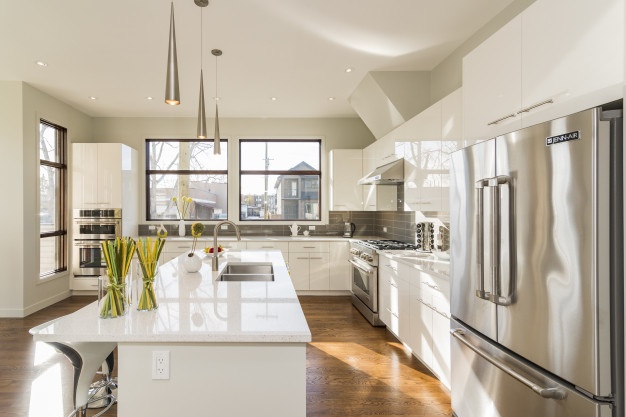
Against all odds, the housing market was strong in New South Wales in 2020. The positive end to the year in terms of transactional activity and prices creates real momentum heading into the new year, says Tim McKibbin, CEO of the Real Estate Institute of NSW (REINSW).
“While residential housing has been largely unaffected by COVID-19, the market is poised to play an influential role in the economic recovery,” Mr McKibbin says.
Price pressures
“In most locations around the state, prices ended the year higher than where they began. We expect this momentum to carry through 2021, with the fundamental supply shortage and robust demand helping to keep prices trending upwards,” he says.
“There will be some winners but also some losers. The exodus from inner-city suburbs is creating additional supply in those areas leading to downward price pressure in pockets.
“On the other hand, housing supply in select outer suburbs and regional centres, particularly those within 100km of Sydney, will continue to come under pressure, pushing prices up.
“First home buyers were especially active in 2020 and demand from young people will remain strong in 2021, fuelled by low interest rates and focused on more affordable suburbs where we can expect an increase in first home buyer activity.”
Trends and influences
“For many people, the realisation that they can now work from home has raised new questions as to where they want to call home,” Mr McKibbin says.
“Long work commutes are unpalatable for most people but if limited to once a week or better, then a home away from the city becomes an attractive consideration.
“How far this decentralisation trend extends, both from a geographic and longevity perspective, is impossible to forecast, but some regional markets are set to experience long-term benefits.
“A trend easier to predict is interest rates. The historically low cash rate by the Reserve Bank’s own acknowledgement is unlikely to change in the foreseeable future, which will continue to provide confidence and growth in 2021.
“In terms of trends around demand, the pressure of migration on housing stock has ceased, however we are seeing some expat buyer activity. First home buyer incentives will continue to have an impact and it will be interesting to see the level of investor activity in 2021.
“We have not seen significant investor activity in recent times, however there is potential for an increase in investors gravitating toward areas of comparatively strong demand and where rental vacancy is low.
“There are many would-be upgraders and downsizers who are also considering a change in their living circumstances, but the tax barrier is a major disincentive.”
Industry issues
“Until true reform is pursued, property taxes will continue to be a significant impediment to transactions, undermining the economic contribution the industry could otherwise make. All levels of Government and every consumer in the state knows that reform is necessary,” Mr McKibbin says.
“The choose-your-poison stamp duty-property tax proposal is not the answer. The NSW Government earned significantly more stamp duty revenue in 2020 than in 2019. While this is further evidence of the strength of the market, the story it doesn’t tell is the amount of transactions stamp duty prevented from taking place.
“It remains an unjust tax and Government’s stance in ignoring the problem while profiting from it is unconscionable.
“The property industry is the biggest industry in New South Wales. It employs more people than any other industry, contributes significantly to the social welfare of the community and is the largest contributor of tax in the state.
“As an industry, it is second to none in terms of importance. It therefore makes no sense for Government to regulate the industry through Fair Trading, by nature a low dollar value, high frequency transaction and minimal legal complexity regulatory authority.
“Property transactions are low frequency, inherently complex and involve large sums of money. We must have a dedicated, industry experienced regulator that will work cooperatively and constructively with the industry toward better consumer outcomes.
“There is an urgent need for the creation of a dedicated Property Services Commissioner to oversee the administrative and regulatory aspects of the industry’s operation, freeing up Fair Trading from obligations it has proven, time and again, incapable of discharging.
“In 2021, the REINSW will be prosecuting the case for the appointment of a Property Services Commissioner.”
Rents and vacancy
“The rental market largely mirrors the housing market, and for largely the same reasons. Overall, vacancy rates are expected to remain tight but different areas have different outlooks,” Mr McKibbin says.
“Supply and demand factors dictate the market and the absence of foreign students has adversely impacted specific areas. Until these numbers return, conditions in those markets will likely remain unchanged.
“Some people considering a regional move are test driving the idea using rental accommodation. With more people embarking on the same path, we are likely to see inner city vacancy rates remain higher, while outer Sydney and regional markets will