What Is Government Furniture And How Does It Differ From Commercial Furniture?
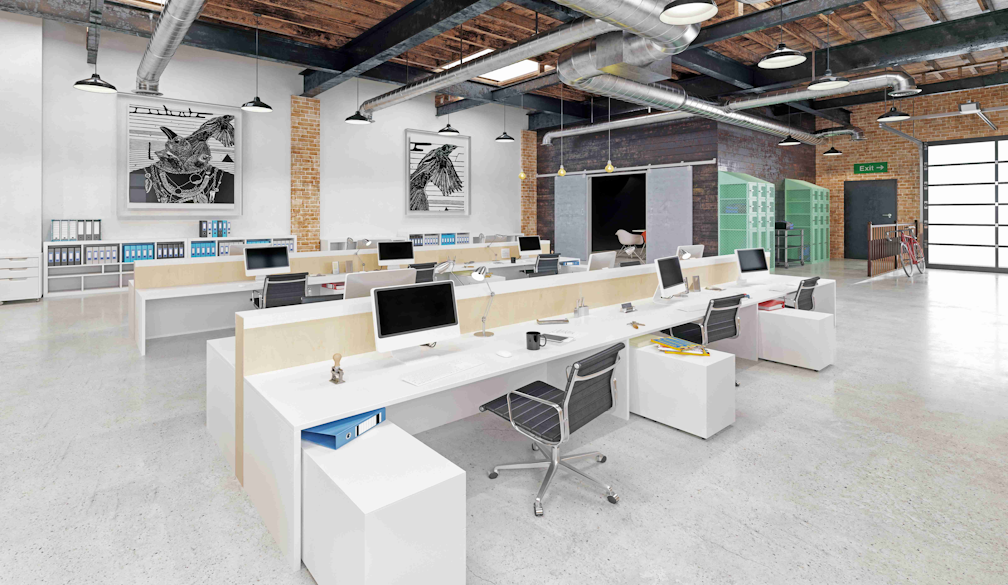
When you think about furniture, you might picture a cozy living room set or sleek office chairs. But have you ever considered the specific needs of government furniture? Government furniture serves a unique purpose, catering to the demands of public offices and facilities.
Here's an insightful look at what government furniture is and how it differs from commercial furniture. Read on.
Government Furniture Is Durable And Is Built To Last
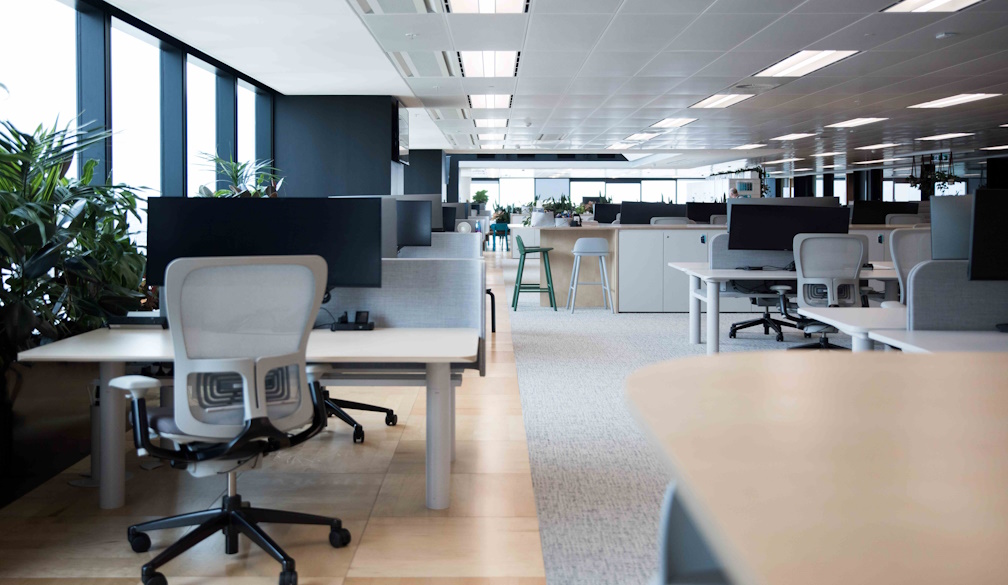
When it comes to government furniture, durability is key. These pieces are designed to withstand heavy use over long periods. In a government office, chairs, desks, and other furniture are used by numerous people throughout the day. Therefore, government furniture must be incredibly sturdy and reliable.
Government Furniture Focuses On Function Over Form
When selecting government furniture, functionality often takes precedence over aesthetics. The design is typically more utilitarian, focusing on practical features that support the work environment. For example, adjustable chairs, ample storage, and ergonomic designs are prioritized to ensure comfort and efficiency for employees.
Government Furniture Requires Justification For Every Expense When It Comes To Costs
Budgeting for government furniture involves a rigorous process. Every expense must be justified, and there are often strict guidelines and limitations on how money can be spent. Government agencies must ensure they are getting the best value for taxpayers' money, which means extensive research and often a lengthy procurement process.
Commercial Furniture Has More Flexible Budgeting
In the commercial sector, budgeting for furniture can be more flexible. Companies have the freedom to allocate funds as they see fit, based on their priorities and financial situation. This flexibility allows for a wider range of options when selecting furniture, including high-end designer pieces, entertainment unit, or more affordable alternatives.
Government Furniture Adheres To Strict Procurement Rules
Procurement for government furniture is governed by strict regulations and procedures. There are often requirements for competitive bidding, ensuring that the government gets the best deal possible. Additionally, there may be specific standards and certifications that the furniture must meet, such as sustainability criteria or ergonomic standards.
Government Furniture Often Requires Customization
Government offices have unique needs that often require customized furniture solutions. Whether it's specialized desks for a specific department or secure storage for sensitive documents, government furniture must meet these specific requirements. This customization ensures that the furniture serves its intended purpose effectively.
On the other hand, commercial furniture tends to offer more standardized options that can be easily purchased and implemented. While customization is available, it's not always necessary. Standard office furniture can often meet the needs of a typical business environment without the need for extensive modifications.
Government Furniture Prioritizes Sustainability And Eco-Friendliness
Sustainability is a significant concern for government furniture. Many government agencies have mandates to purchase environmentally friendly products, which means looking for furniture made from sustainable materials and produced through eco-friendly processes. This focus on sustainability helps reduce the environmental impact of government operations.
Government Furniture Must Meet Security Standards
Security is a crucial factor in government furniture. Certain pieces, such as storage cabinets and desks, must be designed to protect sensitive information. This means incorporating features like lockable drawers, secure filing systems, and tamper-proof designs to ensure compliance with security protocols.
Commercial Furniture Focuses On Employee Needs
In a commercial setting, the focus is more on meeting the needs of employees. While security features are still important, especially in industries dealing with sensitive data, the primary concern is creating a comfortable and productive work environment. This includes ergonomic designs, easy access to technology, and flexible workspace solutions.
Government Furniture Is Designed For Adaptability
Government furniture needs to be adaptable to changing needs. This means modular designs that can be reconfigured as required, as well as durable materials that can withstand updates and renovations. Future-proofing is essential to ensure that the furniture remains functional and relevant over time.
Commercial Furniture Adapts To Trends
Commercial furniture often adapts to the latest trends in office design. This includes incorporating new technologies, contemporary styles, and innovative solutions that enhance the work environment. While adaptability is important, there is also a focus on staying current with design trends and employee preferences.
Government Furniture Requires Robust Support
Support and maintenance are critical for government furniture. Given the high usage and the importance of functionality, government agencies often have contracts in place for regular maintenance and support. This ensures that any issues are promptly addressed and that the furniture remains in good working condition.
In commercial settings, meanwhile, maintenance and support can vary. Some companies invest heavily in maintaining their office furniture, while others may take a more reactive approach. The level of support often depends on the company's resources and priorities.
To Conclude
Understanding the differences between government and commercial furniture helps you make informed decisions. Government furniture focuses on durability, functionality, and meeting strict regulations, while commercial furniture balances functionality with style and flexibility. By recognizing these distinctions, you can better appreciate the unique requirements and considerations that go into selecting the right furniture for each setting.
All the best in your journey of finding the best government furniture for your needs.