What Modern Table Designs Bring To Open Living
- Written by: Times Media
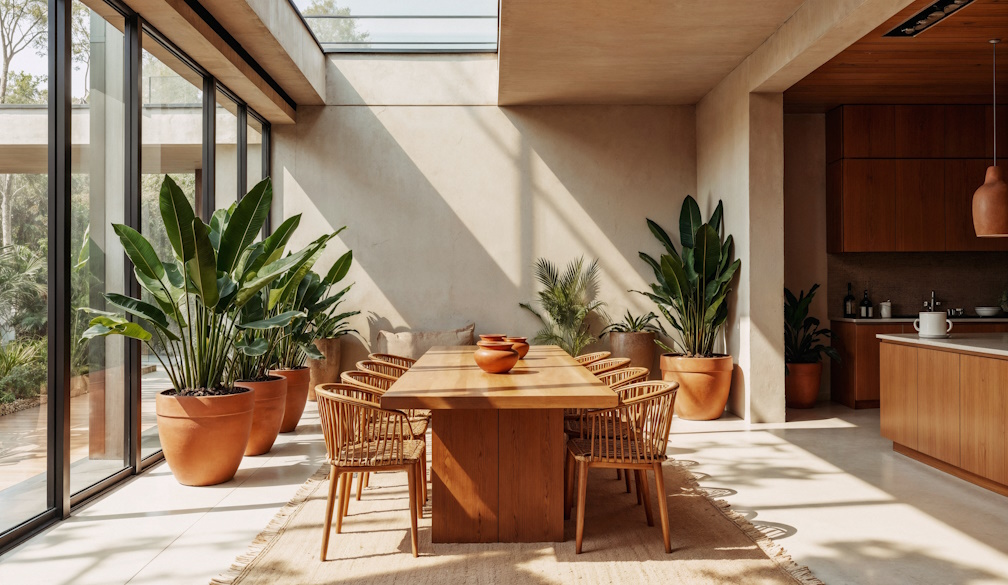
Modern homes now have open-plan kitchens, dining rooms, and living rooms. While open layouts create a spacious, airy feel, they also require careful furniture choices to define functional zones without blocking light or traffic flow. The dining area often serves as the visual anchor that connects food preparation areas with comfortable living spaces.
Modern table designs are engineered to bridge these functional zones, offering versatility, visual appeal, and space efficiency. This article examines how modern table designs enhance open-plan living spaces.
Creates a Defined Anchor in Open Floor Plans
Without walls to divide functional areas, open floor plans can sometimes feel chaotic or lack clear visual definition. A well-designed dining surface creates a clear visual anchor that separates the kitchen workspace from the primary relaxation zone. It establishes a dedicated area for eating, working, and socialising, while maintaining the open, airy flow of the room.
Modern designs use clean lines, natural wood grains, and open base structures to define space lightly. This subtle spatial organisation brings balance and purpose to large, open areas.
Adapts to Multi-Functional Daily Activities
In modern homes, the dining surface is rarely used solely for eating evening meals together as a family. It serves as a home office desk during morning hours, a homework station in the afternoon, and a craft space on weekends.
Choosing a quality dining table ensures your living space adapts to work, dining, and social needs seamlessly throughout the day. Easy-to-clean finishes protect against food spills, ink marks, and daily wear without requiring high-maintenance care. This practical versatility makes the table the hardest-working furniture piece in your open-plan layout.
Enhances Visual Flow with Open and Slim Base Structures
Traditional bulky tables with heavy corner legs can block sightlines and make open-plan areas feel cramped and cluttered. Modern designs feature slim legs, pedestal bases, and trestle frames that maximise open floor space beneath the surface. These open base structures allow light to pass through freely, maintaining the spacious feel of your open room.
Selecting open-frame designs offers practical seating and aesthetic advantages for daily living:
- Maximises Seating Legroom: Pedestal and trestle bases eliminate awkward corner legs, allowing more guests to sit comfortably
- Preserves Sightlines: Slim profiles allow uninterrupted views across the kitchen, dining, and outdoor patio areas
- Simplifies Chair Tucking: Allows dining chairs to slide fully underneath the table when not in use, clearing walkways
Integrates Natural Materials to Warm Up Contemporary Spaces
Modern open-plan homes often feature hard surfaces like polished concrete floors, stone kitchen benchtops, and smooth glass splashbacks. While these materials look sleek, an abundance of hard surfaces can leave a living area feeling cold or industrial. Solid wood dining tables add natural grain textures, rich organic tones, and tactile warmth to the room.
Natural wood surfaces complement modern materials through striking visual elements:
- Softens Hard Surfaces: Natural timber grains contrast beautifully against smooth quartz benchtops and tiled floors
- Complements Modern Decor: Natural wood tones pair effortlessly with black metal accents, neutral walls, and indoor plants
- Ages Gracefully Over Time: Solid timber develops a unique patina through years of daily family use and gatherings
Accommodates Guest Entertaining with Extension Mechanisms
Open-plan living is ideal for hosting family gatherings, but large fixed tables can permanently crowd daily living space. Modern extension tables feature hidden leaf mechanisms that expand the dining surface easily when guests arrive for dinner. When hosting ends, the table retracts back to its compact daily size, preserving open floor space for routine living.
Smooth extension mechanisms allow a four-seater table to expand into an eight- or ten-seater surface in seconds. The hidden leaves store neatly inside the internal frame, eliminating the need for separate storage closets.
Transform Your Open Living Space with Modern Design
Modern table designs are essential elements for organising, warming, and enhancing open-plan living environments. By defining functional zones, accommodating multi-tasking activities, preserving light sightlines, and offering flexible extension capabilities, the right table transforms your home's central hub.
Investing in quality design creates a welcoming environment for daily family life and social gatherings. Anchor your open living area with a centrepiece built for modern lifestyle demands.