What Makes a Good Fat Tyre Electric Bike?
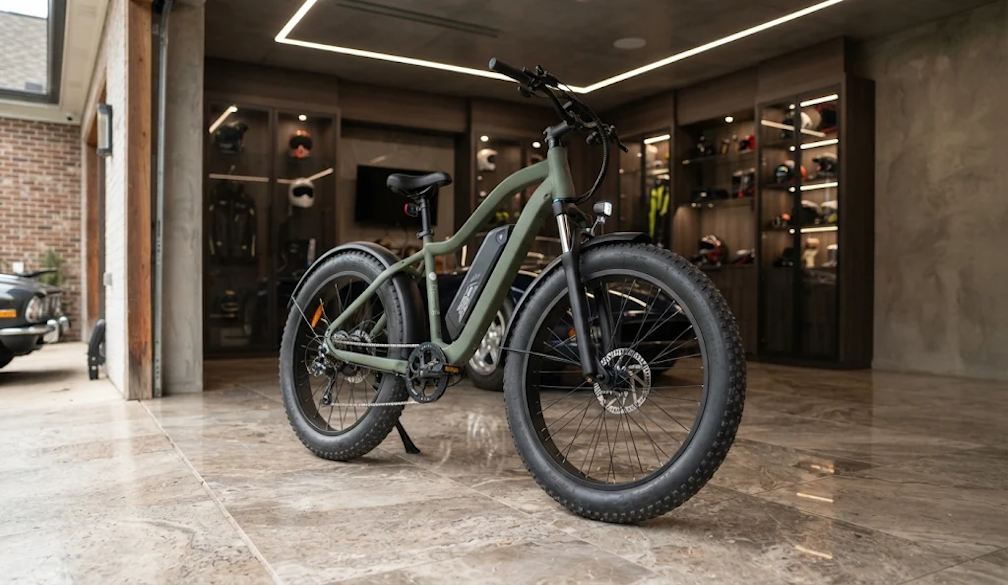
A fat tyre electric bike combines electric pedal assistance with wider tyres that offer a different riding experience than conventional bicycles. Its broader tyres can offer additional traction and cushioning, making this style appealing to riders who travel across varied surfaces or prefer a more substantial riding platform.
However, tyre width alone doesn't determine a bicycle's quality. Motor performance, battery efficiency, frame construction, braking, and overall handling all contribute to how well it performs. Understanding these features can help you recognise what makes a fat tyre electric bike suitable for regular riding.
1. Well-Designed Fat Tyres
The tyres are the most recognisable feature of this bicycle category. Their wider profile creates a larger contact area with the ground, which can help provide traction and absorb some surface vibration.
A good design should balance tyre width, tread pattern and rolling resistance. The right combination depends on where the bicycle will be used.
For example, a rider travelling mainly on paved roads may prefer a different tread design from someone who regularly encounters gravel or loose surfaces. Tyre construction and pressure recommendations also matter, as incorrect inflation can affect handling, comfort and efficiency.
2. Consistent Motor Assistance
A good electric bicycle should provide assistance that feels predictable and appropriate for the riding conditions.
The motor should respond smoothly when the rider starts pedalling and provide suitable support when additional effort is required. This is particularly useful when climbing inclines, accelerating after a stop, or riding with additional weight.
Motor configuration also deserves attention. Hub motors and mid-drive motors distribute power differently and can influence the bicycle's handling and riding characteristics.
Rather than judging a model by motor output alone, look for a combination of responsive assistance, suitable gearing, and manageable performance.
3. A Battery That Supports Practical Riding Distances
Battery performance is another important characteristic. A well-matched battery should provide sufficient capacity for the journeys the rider expects to make.
Advertised range figures are estimates rather than guaranteed distances. Actual performance depends on factors such as rider weight, terrain, wind, speed, tyre pressure and assistance level.
Battery quality, charging time and replacement availability should also be considered. A removable battery can be particularly convenient for riders who prefer charging indoors.
The goal is to find a battery configuration that supports your regular riding habits without adding unnecessary weight or cost.
4. A Strong and Comfortable Frame
The frame needs to support the bicycle's overall weight, motor, and battery while providing a comfortable riding position.
Frame geometry influences stability, steering response, and how naturally the rider sits on the bicycle. A suitable design should allow the rider to reach the handlebars comfortably and maintain control without excessive strain.
Pay attention to frame sizing, saddle adjustment and handlebar positioning. A well-designed fat tyre electric bike should feel balanced rather than unnecessarily bulky or difficult to manoeuvre.
5. Reliable Braking Performance
Because electric bicycles combine the weight of the bicycle, battery and motor, dependable braking is an important consideration.
A good braking system should provide controlled stopping performance and have components that can be inspected and maintained when required.
Check the brake type, lever design, and availability of replacement parts. The system should also be suitable for the bicycle's intended use and comply with applicable safety requirements.
Regular brake inspections are essential for maintaining reliable performance over time.
6. Balanced Weight and Handling
Wider tyres, larger frames and electrical components can make fat tyre electric bikes heavier than conventional bicycles.
Weight distribution is therefore important. The bicycle should feel stable when riding, turning and moving at lower speeds.
A model that is too heavy for the rider to manoeuvre comfortably may become inconvenient when parking, transporting or storing it.
Try riding the bicycle before purchasing and pay attention to how easily it changes direction and responds to steering inputs.
7. Practical Gearing and Components
The drivetrain should complement the motor and the type of riding the bicycle is designed for.
Suitable gearing can make it easier to manage different inclines and maintain a comfortable pedalling rhythm. Check the gear-shifting operation, chain quality, pedals, and other frequently used components.
Also consider whether accessories such as mudguards, rear racks or lights are included or can be fitted separately. These additions can improve everyday practicality, depending on how you intend to use the bicycle.
8. Ease of Maintenance and Component Availability
A good bicycle should not only perform well when new but also remain practical to maintain.
Check whether the manufacturer or retailer can provide replacement tyres, brake components, batteries and other essential parts. Ask about servicing recommendations and warranty coverage for the motor, battery and frame.
Routine maintenance should include checking tyre pressure, inspecting the brakes, keeping the drivetrain clean, and following the manufacturer's battery care instructions.
Access to suitable support can make a significant difference to the overall ownership experience.
Look Beyond Tyre Size When Choosing
A good fat tyre electric bike brings together several features that work well as a complete system. Wider tyres can provide useful traction and cushioning, but they need to be supported by suitable motor performance, practical battery capacity, a comfortable frame and dependable braking.
If you are comparing an electric bicycle in Perth, The Electric Bike Company can be a starting point for exploring available models and evaluating their features against your riding requirements.
Ultimately, the right choice depends on where you ride, how frequently you use the bicycle, and what you expect from its performance. Looking beyond tyre width and comparing the complete design will help you identify a model that offers comfort, practicality and lasting value.