What Insurance Risks Should Commercial Strata Property Owners Consider?
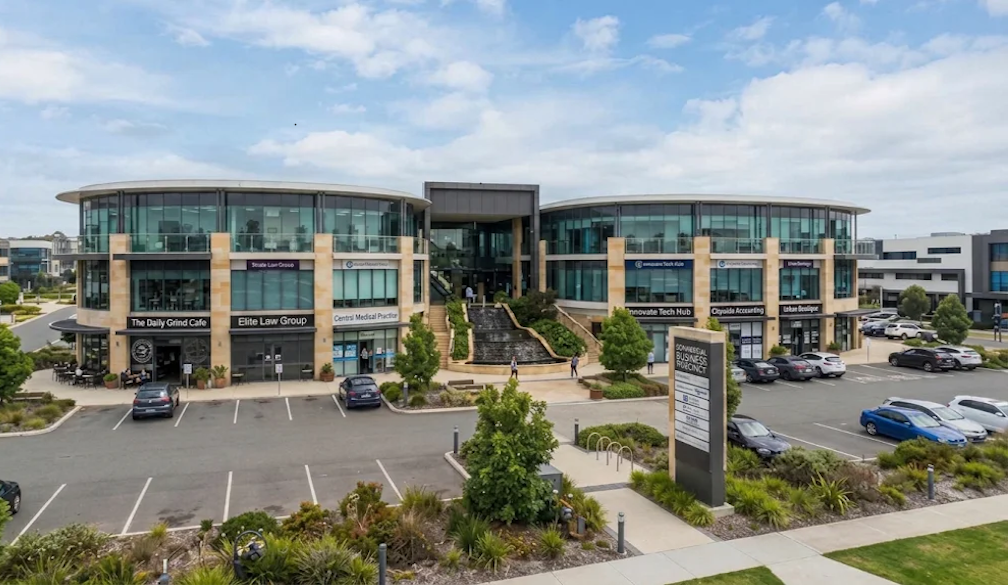
A commercial strata building can be home to several businesses, each with its own needs and daily demands. A shop might share an entrance with an office upstairs. Both could depend on the same lift, plumbing or parking area. When something goes wrong in a shared space, the problem rarely affects just one person.
This is one reason commercial strata insurance needs careful consideration. A building has its own risks, and the way different owners and tenants use it can add to those concerns. Understanding what could go wrong is a sensible starting point when reviewing insurance.
Damage to the Building
A fire can leave a building unusable. A storm might damage the roof, while a burst pipe could soak ceilings, walls and floors. Even when the damage appears limited, repairs can involve several parts of the property.
Structural work is particularly costly. There may also be a period when tenants cannot use their usual premises, adding another complication for owners.
When reviewing insurance, look beyond the basic list of covered events. Check the rebuilding allowance, excess amounts and exclusions. It is also worth establishing which fixtures and areas belong to the common property and which sit within individual lots. That distinction can affect how a claim is handled.
Problems With Shared Building Systems
Lifts, air conditioning, electrical installations and plumbing are easy to take for granted until something stops working. In a commercial building, one fault can inconvenience several occupants.
Imagine the main lift breaking down in a building with offices on its upper floors. Access becomes difficult for employees and visitors, particularly anyone with mobility needs. A leaking pipe can create a similar headache if water reaches neighbouring tenancies.
Some unexpected damage may fall under the building's insurance. Routine servicing is another matter. Owners need to know who arranges inspections, organises repairs and pays for the upkeep of shared equipment.
Public Liability Risks
Commercial premises see plenty of foot traffic. Customers come in to browse, delivery workers carry goods through shared entrances, and contractors move between different parts of the building.
An accident in one of these areas can have serious consequences. Someone might slip on a floor freshly mopped or trip on a broken sidewalk. If an injury occurs and a claim is made, the owners' corporation may be liable for legal costs and compensation.
You may be able to make eligible claims with public liability cover, depending on your policy terms. It does not eliminate the need to take care of shared spaces. Spills, broken surfaces and other hazards need to be addressed before someone gets hurt.
Business Disruption
Repairs sometimes take longer than expected, particularly following a major fire, flood or electrical failure. A tenancy could be vacant or a business could be forced to operate from another location during this time.
The financial consequences depend on who is affected. Owners who earn rental income should check whether their policy includes loss-of-rent cover. Tenants may need separate business interruption insurance to protect their business income.
These are different forms of protection. Cover arrangements for the building do not automatically compensate every business for lost earnings.
Changes to the Property
Commercial properties don't always serve the same purpose year after year. An office might be converted into a medical practice, a retail space could become a restaurant, or owners may carry out substantial renovations.
Such changes can affect the building's risk profile. New equipment, different activities and alterations to shared areas may all have insurance implications.
It's worth reviewing the cover when significant work or changes in use take place. Owners should also keep their insurer informed rather than assume the original policy details will remain suitable indefinitely.
Choosing Cover Based on the Property
A small office building and a busy retail complex have different insurance needs. The number of tenancies, condition of the building, shared facilities and activities taking place on the premises all matter.
Before settling on a policy, owners need to consider how the property actually operates. Which areas are shared? Who looks after them? What would happen financially if a major incident forced tenants to leave temporarily?
Reading the exclusions and limits is just as important as checking what the policy covers. A little time spent understanding those details can help avoid confusion when a claim arises.