Fat Transfer Surgery: Using Your Own Fat for Facial and Body Contouring

Fat tissue plays an important role in the contours of the face and body. Changes in its distribution can affect facial fullness, breast shape and the relationship between different body regions. For selected patients, fat transfer offers a way to reposition their own fat from one anatomical area to another. Also known as fat grafting or fat injection, the procedure combines fat harvesting with targeted volume enhancement, but its suitability depends on the treatment area, tissue characteristics and individual medical circumstances.
What Is Fat Transfer Surgery?
Fat transfer is a surgical technique in which fat is removed from one part of the body and introduced into another area.
The process generally involves three stages: harvesting, processing and injection.
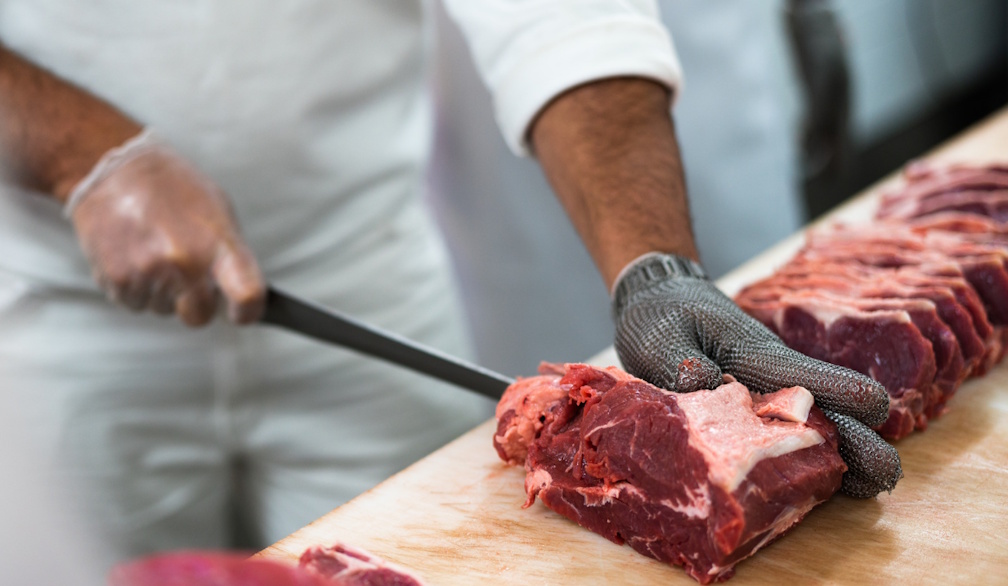
Liposuction is used to collect fat from a suitable donor area. The collected tissue is then prepared before being transferred to the selected region.
The aim may be to restore lost volume, improve contour transitions or address certain soft-tissue irregularities.
Because the material comes from the patient's own body, the procedure does not require a synthetic filler or implant for the transferred volume.
Which Areas Can Be Treated With Fat Transfer?
Fat grafting has applications in both aesthetic and reconstructive plastic surgery.
Possible treatment areas include:
-
Face
-
Breasts
-
Buttocks
-
Selected body contour irregularities
-
Certain soft-tissue defects
The technique, volume and risk profile differ substantially between these regions.
A method appropriate for facial volume restoration should not automatically be considered suitable for large-volume body augmentation.
Facial Fat Transfer
Facial fat grafting may be considered when volume loss contributes to changes in facial appearance.
Aging can alter the distribution of facial fat, particularly around the cheeks and temples.
Selected fat transfer techniques may help restore volume in appropriate anatomical areas.
However, the face contains complex vascular structures, and injection requires detailed anatomical knowledge.
Serious vascular complications, including tissue damage and visual impairment, are possible if fat enters a blood vessel.
Patients should discuss these risks and alternative treatment options before proceeding.
Fat Transfer to the Breasts
Breast fat grafting may be used for selected contour adjustments, reconstruction or modest volume enhancement.
The amount of enlargement achievable is limited by the available donor fat and the capacity of the recipient tissues.
Patients seeking a substantial increase in breast size may require a different approach.
Fat Transfer Versus Breast Implants
Breast implants can provide a more predictable initial increase in volume, although they introduce implant-specific considerations.
Fat transfer avoids an implant but involves variable fat retention and may require more than one session.
Fat grafting can also produce oil cysts, fat necrosis or calcifications that may be visible on breast imaging.
Patients should inform future breast-imaging providers about previous fat transfer procedures.
Fat Transfer for Body Contouring
In selected circumstances, fat may be used to improve localized contour irregularities or add volume to specific body regions.
The surgical plan must account for recipient tissue capacity and the safety of the injection site.
Large-volume fat transfer to the buttocks requires particular caution because of the risk of pulmonary fat embolism.
Professional safety recommendations emphasize subcutaneous-only placement for gluteal fat grafting and support real-time ultrasound guidance.
Intramuscular fat injection should be avoided.
How Is Fat Harvested?
Fat is generally collected through liposuction from an area with sufficient subcutaneous tissue.
Common donor regions include the abdomen, waist and thighs.
The surgeon selects the donor site according to the patient's anatomy and the amount of fat required.
Fat harvesting should not be viewed as unrestricted liposuction. Removing excessive tissue can produce contour irregularities or unwanted changes in the donor area.
The amount collected is determined by the treatment objective and safety considerations.
Why Is Fat Processed Before Injection?
Collected fat contains a mixture of fat cells, fluid and other components.
Processing techniques aim to prepare the tissue for transfer.
Different surgical methods may involve filtration, decantation, centrifugation or other preparation approaches.
The chosen method depends on the treatment area and the surgeon's technique.
Processing does not guarantee that every transferred fat cell will survive.
How Much Transferred Fat Survives?
Fat grafting involves transferring living tissue that must establish an adequate blood supply in its new location.
Some transferred fat survives, while another portion is naturally reabsorbed during healing.
The degree of retention varies according to the recipient area, technique, tissue characteristics and other factors.
Consequently, early postoperative volume should not be interpreted as the final result.
Additional treatment may sometimes be considered when volume retention is insufficient.
Who May Be Suitable for Fat Transfer?
Potential candidates generally have sufficient donor fat, appropriate recipient tissues and suitable overall health.
The surgeon evaluates the desired change, medical history and realistic treatment possibilities.
Very slim patients may have limited donor tissue.
Smoking and certain medical conditions may negatively affect healing.
Patients seeking a large volume increase should understand that fat transfer has anatomical and biological limitations.
Recovery After Fat Grafting
Recovery involves both the donor area and the recipient site.
Swelling, bruising and tenderness may occur in either region.
The postoperative instructions depend on where fat has been transferred.
For example, facial grafting and buttock grafting require different precautions.
Patients should follow specific guidance about pressure, physical activity, compression garments and follow-up appointments.
When Are Results Stable?
Initial swelling gradually decreases, while transferred fat undergoes a period of adaptation.
Several months may be required before the result can be assessed more reliably.
Long-term weight changes may also influence surviving transferred fat.
Risks and Limitations
Potential complications include infection, bleeding, asymmetry, fat necrosis, oil cysts and irregular contours.
Some patients experience excessive fat reabsorption or insufficient volume improvement.
Vascular complications can be particularly serious in certain anatomical regions.
The safety of the procedure depends on the treatment site, injection technique, patient selection and surgical environment.
Fat Transfer Surgery in Turkey
Patients considering fat transfer surgery in Turkey should evaluate the surgeon's experience with the specific recipient area.
The term fat transfer covers several distinct operations, and experience with one application does not automatically establish expertise in another.
International patients should discuss anesthesia, recovery restrictions, possible complications and postoperative monitoring before making travel arrangements.
Understanding the Possibilities of Natural Tissue Grafting
Fat transfer surgery can be useful for selected facial and body contouring concerns, but it does not provide unlimited volume enhancement or guaranteed fat retention.
The decision should be based on the patient's anatomy, the intended treatment area and the risks associated with the injection technique.
Patients researching fat grafting and individualized aesthetic procedures can find additional information at https://muratdiyarbakirlioglu.com/en/. A detailed consultation can clarify whether autologous fat transfer is appropriate or whether another treatment would better address the patient's goals.