Laser Hair Removal Explained: What to Expect and Why Your Skin Type Matters
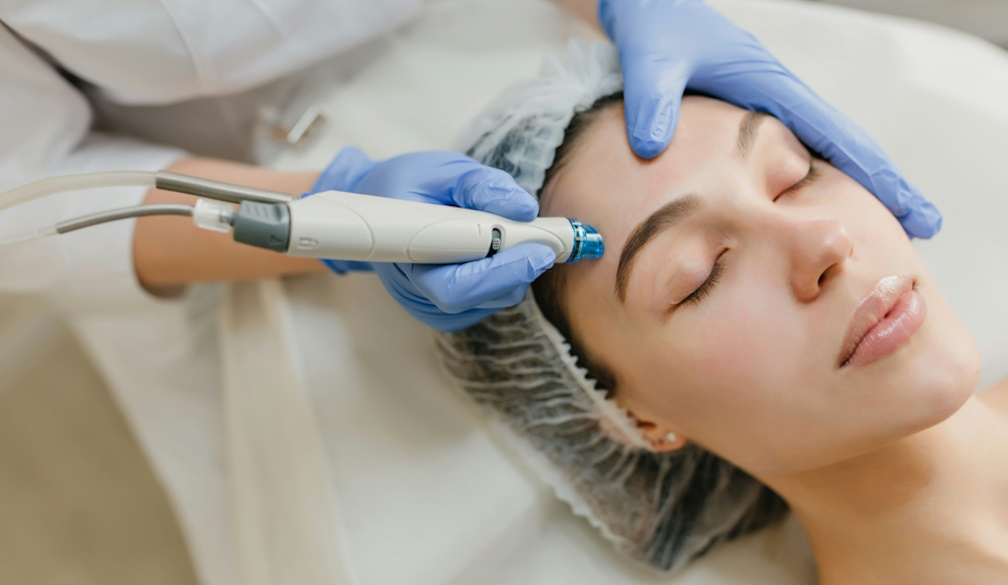
For anyone tired of the constant cycle of shaving, waxing and dealing with ingrown hairs, laser hair removal can offer a longer-term approach to managing unwanted hair. But despite its popularity, there are still plenty of misconceptions about how the treatment works, who it suits and what results are realistic.
One of the most important things to understand is that not all lasers work in the same way. Technologies such as diodes and Nd lasers have different characteristics, making some better suited to particular combinations of skin tone, hair colour and hair thickness.
Understanding these differences, along with the treatment process itself, can help people make informed decisions before committing to a course of sessions.
How Does Laser Hair Removal Actually Work?
Laser hair removal uses concentrated light energy to target pigment, known as melanin, within the hair. When the pigment absorbs this energy, it converts into heat, which can damage structures involved in hair growth.
The objective is to achieve a lasting reduction in hair growth rather than guarantee that every hair will disappear permanently.
Unlike waxing, which removes hair from the follicle, or shaving, which cuts hair at the skin's surface, laser treatment aims to interfere with the follicle's ability to produce new hair.
However, hair does not grow continuously. Each follicle moves through a cycle consisting of active growth, transition and resting phases.
Laser treatment tends to be most effective when hair is actively growing and sufficiently connected to the structures responsible for regeneration. Because only a proportion of follicles are in this stage at any given time, multiple sessions are generally required.
This explains why a single appointment cannot reliably eliminate all unwanted hair.
Why Different Laser Technologies Matter
The effectiveness and safety of laser hair removal depend on more than the strength of the equipment. The wavelength of light, the amount of pigment in the surrounding skin, hair characteristics and the operator's technique all influence the outcome.
Two commonly used technologies illustrate why individual assessment is so important.
Diode Lasers: Often Suitable for Darker Hair
Diode hair removal systems commonly operate at wavelengths around 800–810 nanometres, although specifications vary between devices.
These wavelengths are absorbed by melanin in the hair, allowing energy to reach the follicle while limiting unnecessary effects on surrounding tissue when appropriate settings are used.
Diode lasers are frequently used to treat coarse, dark hair across areas such as the legs, underarms, back and bikini line.
They can be effective across several skin types, although the suitability of a particular device depends on factors including skin pigmentation, recent sun exposure and the cooling technology available.
People researching laser hair removal in Perth can use treatment information from established providers such as MedAesthetics to understand the consultation process and the importance of matching equipment to individual skin and hair characteristics.
An assessment remains essential because the same laser settings will not be appropriate for every person.
Nd Lasers: An Important Option for Deeper Skin Tones
Nd lasers typically operate at a wavelength of 1064 nanometres.
Compared with shorter wavelengths commonly used in hair removal, this light is generally absorbed less strongly by epidermal melanin. That characteristic can make Nd technology particularly useful for treating darker skin tones, where excessive heating of the skin's surface presents a greater concern.
The longer wavelength also allows energy to penetrate relatively deeply into the skin.
However, a reduced level of absorption by melanin does not eliminate the possibility of burns or pigmentation changes. Careful selection of treatment settings, appropriate cooling and operator experience remain essential.
Nd treatment may also be less efficient for certain hair characteristics, meaning that the most suitable device depends on more than skin tone alone.
Neither technology should automatically be considered superior. The appropriate choice is the one that offers a reasonable balance of effectiveness and safety for the individual.
What Happens During a Course of Treatment?
A properly planned course of laser hair removal should begin before the first laser pulse is delivered.
The Initial Consultation
The consultation provides an opportunity to assess skin tone, hair thickness, treatment history and any factors that could influence safety.
A practitioner may ask about recent tanning, previous skin reactions, existing pigmentation concerns and medications that could increase sensitivity to light.
They should also discuss expected outcomes, potential complications and whether laser treatment is suitable for the area concerned.
A test patch may be recommended, particularly where there is uncertainty about how the skin will respond.
Preparing for an Appointment
Clients are commonly advised to avoid waxing, plucking and other methods that remove hair from the follicle in the weeks before treatment. The laser requires the hair's pigment-containing structures to be present for effective targeting.
Shaving is usually permitted and may be recommended shortly before the appointment, depending on the provider's instructions.
Sun exposure is another important consideration. Recently tanned or sunburnt skin can increase treatment risks, and practitioners may recommend postponing a session until the skin has returned to its normal condition.
Any active skin irritation should also be discussed beforehand.
During the Session
The treatment area is cleaned, appropriate protective eyewear is provided and the practitioner applies laser pulses to the skin.
People often describe the sensation as a brief snapping or prickling feeling accompanied by warmth.
Modern equipment may incorporate contact cooling, chilled air or other systems designed to protect the skin and improve comfort.
Treatment duration depends on the area being covered. Smaller areas can be relatively quick, while larger areas require more time.
How Many Sessions Are Usually Needed?
There is no universal number of sessions that guarantees a particular result.
A course of approximately six to eight treatments is sometimes used as an initial planning guide, although some people require fewer or considerably more. Session intervals also vary according to the body area and individual hair growth patterns.
Hair density, hormonal influences, skin type, laser technology and the consistency of appointments can all affect progress.
Some people notice slower regrowth after their first few treatments. Others experience patchy reduction as different follicles respond at different stages.
It is also worth distinguishing between permanent hair removal and long-term hair reduction. Laser treatment can significantly reduce the number of actively growing hairs, but some regrowth may occur over time.
Maintenance treatments may therefore be appropriate.
Why Skin Assessment Is a Safety Issue
Laser treatments are often described as routine cosmetic procedures, yet they involve delivering substantial energy into the skin.
Possible adverse effects include burns, blistering, changes in pigmentation and, occasionally, scarring.
The Australian Radiation Protection and Nuclear Safety Agency (ARPANSA) has highlighted the importance of correctly assessing skin colour before laser procedures, identifying incorrect skin classification as a significant factor in reported burns associated with laser hair removal.
The agency's consumer guidance also encourages people to assess a provider's suitability and understand potential risks before undergoing cosmetic treatments involving light-based equipment.
For consumers, this means asking practical questions about practitioner training, the equipment being used and how treatment settings will be selected.
Accessibility is another consideration, particularly when a course involves repeated appointments over several months. For example, MedAesthetics Rockingham - located in Perth's southern suburbs, provides a local point of reference for residents looking into cosmetic and laser treatment services closer to home.
Regardless of location, choosing a provider should involve looking beyond convenience or promotional pricing to consider the quality of the consultation and the attention given to safety.
What Should You Expect Afterwards?
Some redness, mild swelling around follicles or temporary skin sensitivity may occur after treatment. These effects commonly settle within a short period, although recovery varies.
Practitioners may recommend avoiding excessive heat, intense exercise, harsh skincare products and direct sun exposure immediately afterwards.
Sun protection is particularly important because recently treated skin may be more vulnerable to pigmentation changes.
In the following days or weeks, treated hairs may gradually shed. This can resemble continued growth at first, even though affected hairs are being released from the follicles.
It is important not to confuse shedding with immediate treatment failure.
However, significant pain, blistering, increasing redness or other unexpected symptoms should not be dismissed as normal. Medical advice should be sought if concerning reactions develop.
Can Everyone Have Laser Hair Removal?
Although laser technologies have become more adaptable, not everyone is an equally suitable candidate.
Very light blonde, white, grey or red hair can be difficult to treat effectively because it may contain insufficient suitable pigment to absorb the laser energy.
People with darker skin tones may benefit from technologies and treatment protocols specifically selected to reduce the risk of epidermal injury.
Hormonal conditions may also influence results, particularly where unwanted facial hair is concerned. In such cases, laser treatment may reduce hair growth without addressing the underlying reason it occurs.
A responsible consultation should explain these limitations rather than promise complete or permanent removal.
Making an Informed Decision
Laser hair removal has evolved considerably, with diode and Nd systems offering different approaches to targeting unwanted hair across a range of skin types.
Yet technology is only part of the equation.
A realistic treatment plan should account for individual skin characteristics, hair growth patterns, the limitations of the chosen device and the possibility of future maintenance.
For anyone considering treatment, the most useful starting point is not a promise of perfectly smooth skin after a fixed number of sessions. It is a consultation that explains what the procedure can reasonably achieve, how risks will be managed and why a particular approach is appropriate.
With realistic expectations and careful clinical assessment, laser hair removal can be a practical option for reducing unwanted hair over the longer term.