

How to Choose Wood Look Flooring That Handles Everyday Life
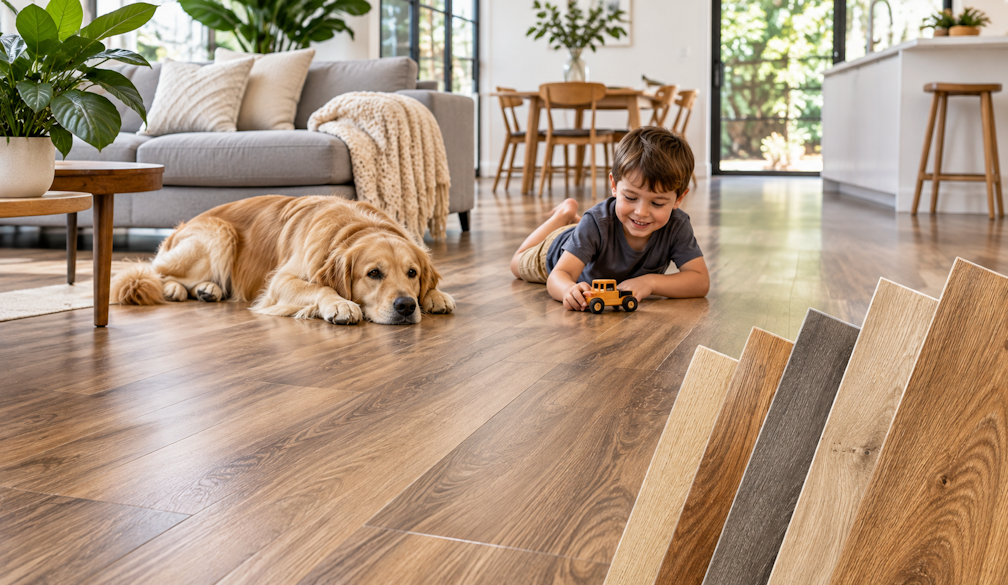
Wood-look flooring gives you the warmth of timber without requiring you to commit to natural wood. But the appearance is only half the decision. The right floor also needs to handle daily foot traffic, spills, furniture movement and the way you actually use each room.
The trick is to look beyond colour and grain. If you are considering vinyl wood flooring, pay attention to its construction, surface finish and installation requirements. These details can make a bigger difference to long-term satisfaction than choosing between a light oak effect and a darker wood pattern.
Start With Your Daily Routine
A floor in a quiet bedroom faces different demands from one in an open-plan living area. Think about where people walk most often, whether children play on the floor and how frequently you clean up spills. These habits help narrow your options before you compare designs.
For example, a busy dining area may need a surface that is easy to wipe clean and less likely to show everyday marks. A bedroom, on the other hand, may give you more freedom to prioritise colour, texture and comfort underfoot. Match the material to the room rather than choosing one finish simply because it looks good everywhere.
Understand The Material Differences
Not every wood-look floor is made the same way. Vinyl flooring uses synthetic materials and is available in designs that imitate timber grain. Depending on the product, it may offer water resistance, a relatively comfortable feel underfoot and straightforward routine maintenance.
Laminate flooring typically has a decorative layer protected by a wear layer over a wood-based core. That construction can make moisture a particular concern if water reaches vulnerable joints or the core. Engineered timber uses real wood in its surface layer, giving it a different appearance and maintenance profile from printed wood-look alternatives.
The important trade-off is that water resistance does not automatically mean waterproof performance. Check the manufacturer's stated limits, particularly around seams, edges and prolonged exposure to moisture. A product suitable for occasional splashes may not be appropriate for standing water or every wet-area application.
Choose A Finish That Forgives
A floor can look impressive in a showroom and become frustrating at home. Glossy, dark surfaces may highlight dust, footprints and fine scratches under strong lighting. Very pale finishes can make certain marks more noticeable, while heavily patterned designs may disguise small imperfections but create a busier visual effect.
Before deciding, consider three details:
- Colour: Mid-toned wood effects can provide a balance between visual warmth and everyday practicality.
- Texture: A textured finish may create a more convincing timber appearance, although deeper grooves can require extra attention during cleaning.
- Plank pattern: Variation in grain and shade can look natural, but repeated patterns may become obvious across a large room.
If possible, examine a sample in the room where it will be installed. View it beside your furniture in daylight and under artificial lighting at night. A sample that looks warm in a bright showroom may appear much cooler in a room with limited natural light.
Prepare The Subfloor Properly
Here is a costly mistake that is easy to overlook: assuming new flooring will hide an uneven floor beneath it. In reality, surface irregularities can affect how some vinyl products sit, join or wear over time. Certain click-lock systems may be particularly sensitive to movement caused by an unsuitable base.
Imagine installing new planks over a slightly uneven concrete floor. The finished surface might initially look fine, but repeated foot traffic could place stress on joints or create unwanted movement. Replacing individual planks may not solve the underlying problem if the subfloor remains uneven.
Before installation, check the manufacturer's requirements for flatness, moisture and surface preparation. Concrete may need moisture testing, while an existing tiled floor may require attention to grout lines or height differences. The correct preparation method depends on the flooring system, so avoid assuming that every product can go over every existing surface.
Calculate The Real Installation Cost
Comparing flooring prices by square metre is useful, but the cheapest material is not always the cheapest finished floor. Your total cost may include underlay, levelling compounds, skirting adjustments, removal of old flooring, delivery and installation labour.
Consider a room measuring four metres by five metres. Its floor area is 20 square metres. If you buy 10% extra for cutting and fitting, you would need approximately 22 square metres of flooring. The actual allowance should reflect the room's shape, plank layout and the installer's advice.
This simple calculation helps prevent a common budgeting error: ordering only the exact floor area and discovering that there is not enough material to finish the job. Ask for an itemised quotation so you can compare like with like, including preparation work and any additional materials.
Make Maintenance Part Of The Plan
Even a durable floor benefits from sensible care. Sweep or vacuum regularly to remove grit that could mark the surface, and use a cleaner approved for the specific flooring product. Place suitable protective pads beneath furniture legs, especially chairs that move frequently across the floor.
Avoid assuming that more water means better cleaning. Excess moisture can find its way into joints, edges or vulnerable parts of the installation. Follow the product's cleaning instructions, wipe up spills promptly and use entrance mats to reduce the amount of dirt tracked indoors.
When comparing flooring options, you can also explore the range available from Floor Xpert Pte Ltd to help you understand which designs may suit your space and practical requirements.
Choosing wood-look flooring becomes simpler when you judge it against real living conditions rather than appearance alone. Compare the material, surface finish, subfloor requirements and complete installation cost before making your decision. With those details checked, you can choose a floor that suits your home, fits your budget and remains practical long after the initial makeover.