The Long-Term Financial Benefits of Choosing Polished Concrete Floors
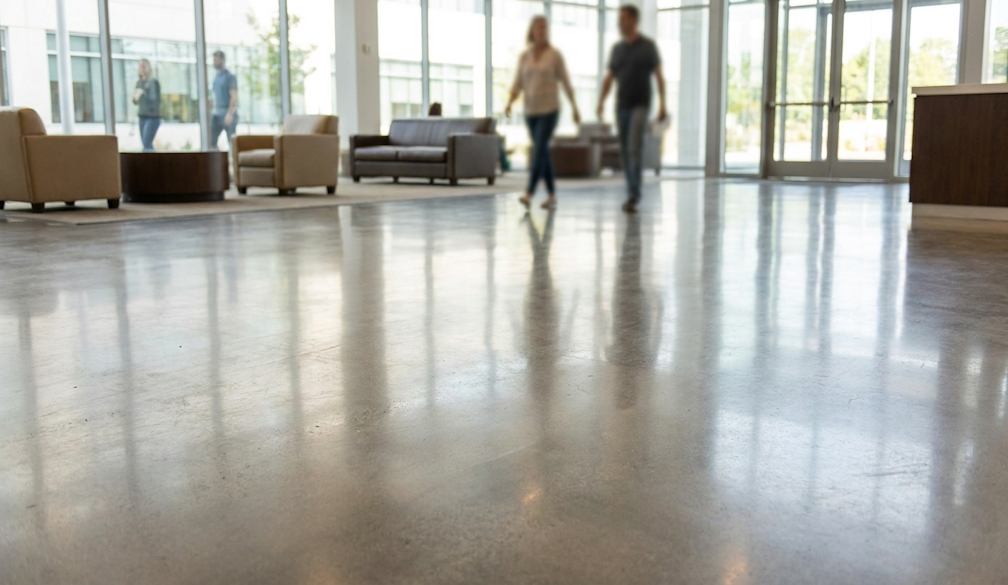
A new floor can look fantastic on installation day, but the real test begins once people start living or working on it. Shoes track in grit, furniture gets moved, and spills never arrive at convenient moments. That is why comparing flooring options solely by their initial price can be misleading. Property owners exploring polished surfaces may also come across a burnished concrete finish, which produces a smooth appearance through a different process and should not automatically be confused with full mechanical polishing. Understanding what each treatment delivers matters when weighing the investment.
The most useful question is not simply what the work costs today, but how much the floor is likely to demand over the next several years. That shift in perspective can save money and prevent the disappointment of choosing a finish based on appearance alone.
Use the Existing Slab
Many buildings already have a concrete slab beneath carpet, vinyl, or another covering. When that slab is sound and suitable for treatment, polishing it may eliminate the need to purchase an entirely new flooring material. That can mean fewer layers to install and fewer components that eventually need replacing. There is something appealing about discovering that a practical finished surface has been underfoot all along.
Still, lifting an old covering does not guarantee a ready-made masterpiece. Adhesive residue, cracks, moisture problems, and uneven patches may require attention before polishing begins. Some slabs simply are not good candidates without significant repair. A professional inspection helps establish whether retaining the concrete is genuinely economical, rather than an appealing idea that becomes expensive halfway through the project.
Lower Routine Care Costs
A beautiful floor loses some of its charm when keeping it presentable becomes a weekly battle. Certain coverings need periodic waxing, specialist treatments, or careful cleaning around seams and grout. Properly polished concrete usually has simpler routine requirements: remove abrasive grit, clean spills promptly, and damp mop with products recommended for the finish. That is particularly helpful in shops, offices, and active family homes.
Simple does not mean maintenance-free. Entry mats, suitable cleaning equipment, and occasional professional assessment can help protect the surface. Harsh chemicals or neglected spills can still cause staining or dull areas. The financial advantage comes from potentially reducing recurring labor and treatment costs, not from pretending upkeep disappears. Over several years, small savings made consistently can become more meaningful than one impressive discount on installation day.
Durability Reduces Replacements
Few homeowners enjoy paying to replace a floor they thought would last. In commercial spaces, the inconvenience may be even greater, with furniture, stock, or daily operations needing to move around the work. Concrete is known for its strength, and mechanical polishing can create a hard-wearing surface suited to many frequently used interiors.
That strength has limits, of course. Dropped heavy objects can chip concrete, existing cracks may remain visible, and movement in the slab can create new ones. Polishing does not make poor-quality concrete structurally sound or waterproof. What it can offer, when the substrate and finish are appropriate, is an extended service life without the routine replacement cycles associated with some coverings. Avoiding even one major reflooring project may affect the long-term budget considerably.
What Shapes the Quote?
Two polished floors that look similar in photographs can involve very different amounts of work. A clean, level slab may need relatively straightforward preparation, while an older surface covered with adhesive, paint, or damage can demand extensive grinding and repairs. Floor area, access, edges, the desired sheen, and the amount of aggregate exposed also influence the quotation. Some projects call for phased work to keep a business operating, which can affect scheduling and cost. Small rooms may also be less economical per square meter.
This is where a detailed proposal becomes essential. Ask whether the price includes surface preparation, crack treatment, densifying products where appropriate, polishing stages, and final cleanup. Clarify what happens if hidden defects appear after existing coverings are removed. A low quote that omits necessary preparation rarely stays attractive for long. Paying for careful groundwork can be more economical than fixing a disappointing finish later.
Practicality Has Value
Flooring decisions affect the way a building runs, not just how it looks. Smooth, well-maintained concrete is generally straightforward to sweep or scrub, which can make cleaning schedules easier to manage. Businesses may appreciate fewer interruptions for surface treatments, while homeowners gain a floor that works with everyday movement, pets, and visiting friends.
There are trade-offs worth considering before deciding. Concrete can feel firm underfoot, and without suitable design it may feel cold in certain rooms. A highly reflective finish may show marks differently or create glare under strong lighting. Slip resistance also needs evaluation for the intended conditions, especially where water is likely. Choosing the right finish for actual use prevents an attractive design decision from becoming an expensive annoyance.
Style That Stays
One reason polished concrete appeals to designers is its versatility. Its natural variations can sit comfortably beside warm timber, soft furnishings, exposed brick, or contemporary furniture. Different levels of sheen and aggregate exposure provide design choices without relying on a decorative layer that must routinely be replaced.
An appealing, well-kept interior may also help a property make a positive impression on visitors, tenants, or potential buyers. But resale value is never guaranteed by one flooring decision, and personal tastes vary. The more reliable benefit is having a surface that can remain presentable with sensible care, reducing the pressure to renovate purely because the floor looks tired. Practical beauty often proves valuable in that everyday sense.
Compare Lifetime Costs
Before agreeing to a project, compare realistic costs over a period that matters to you, perhaps ten years. Include preparation and installation, cleaning supplies, labor, likely repairs, and any future replacement. Ask installers for examples of similar properties and clear guidance on maintenance, warranties, and expected performance. A sample viewed in the actual lighting can also prevent disappointment.
The cheapest initial option is not necessarily the best investment, and polished concrete will not suit every slab or every room. Yet for a suitable property, professionally completed work can combine useful durability, manageable upkeep, and a lasting appearance. A good flooring choice should still make sense after the novelty of the new surface wears off. Take the time to discuss your budget, expected traffic, and the condition of the slab with an experienced contractor. A carefully considered decision today can mean fewer unpleasant surprises tomorrow. That is where long-term value really shows.