Why Selling a Used Car Privately Is Becoming Harder for Melbourne Drivers
Introduction
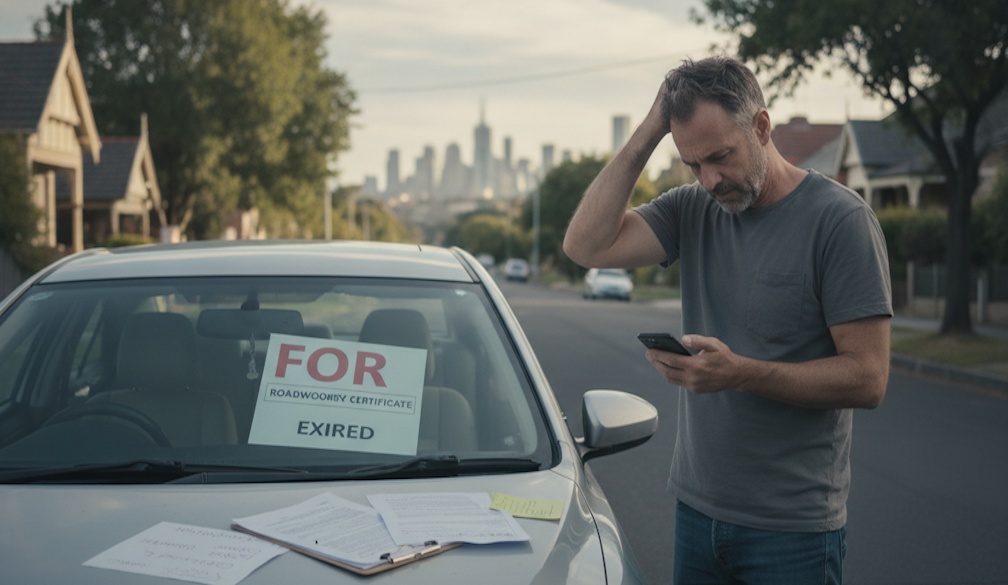
Selling a used car in Melbourne used to feel simple: clean it, take photos, upload a listing and wait for a buyer. That still works for some clean, registered and roadworthy vehicles. But for many owners, especially those with older cars, high kilometres, expired registration or mechanical issues, the private market has become slower and less predictable.
The issue is not that used cars have no value. Many still do. The problem is that buyers are more cautious, repair costs are higher, and small faults can quickly become reasons for heavy negotiation. A warning light, worn tyres, faded paint, accident history or missing roadworthy certificate can turn a serious enquiry into a low offer or no offer at all.
That is why more Melbourne drivers are comparing the traditional private sale with direct vehicle-buying and cash-for-cars options. The best decision is not always about chasing the highest advertised price. It is about understanding the real return after repairs, towing, delays, paperwork and time are counted.
Private buyers are more selective
Private buyers usually want certainty. They want a vehicle that starts cleanly, drives well, presents neatly and does not feel like an immediate repair risk. That expectation is fair, but it creates pressure for sellers whose cars are still useful but no longer perfect.
Online listings can also waste time. Some buyers ask for the lowest price before inspecting the car. Others request extra photos, book a viewing and disappear. Some expect the seller to arrange a roadworthy certificate, fix minor faults or hold the vehicle while they organise money. For busy households, the process can become more frustrating than the sale is worth.
The challenge becomes bigger when the vehicle is unregistered, damaged, non-running or stored somewhere inconvenient. If the car cannot be safely driven, every inspection is harder. If it needs towing, the pool of private buyers becomes much smaller.
Repair costs can reduce the real return
Many sellers consider fixing the car before listing it. Sometimes that makes sense. A popular vehicle with one minor issue may return more after a basic repair. But the calculation changes when the repair bill is large or the vehicle has several problems at once.
A seller may spend money on tyres, detailing, a battery, diagnostics, registration or a roadworthy check, only to face another round of negotiation. The advertised sale price can look attractive, but the final result may be weaker once costs are deducted. The real question is not what the car might be worth in perfect condition. It is what the car is worth today, in its current condition, and how much effort is required to sell it.
This is where direct selling becomes more practical. Owners who want a simpler route can compare services such as Cash For Used Cars. A direct buyer can assess the vehicle as-is, which is useful when the owner does not want to spend more money preparing a car that may still attract heavy bargaining.
When a direct buyer makes more sense
A private sale is usually best for a clean, registered vehicle with strong demand. A direct buyer is often a better fit when the vehicle is old, damaged, unregistered, unreliable, written off, difficult to inspect or simply unwanted. In those cases, speed and certainty can matter more than waiting for an ideal buyer who may never appear.
This is especially true when the owner has a deadline. People may need to clear a driveway before moving house, remove a car from a rental property, deal with an inherited vehicle, settle a workshop bill or dispose of a fleet car. A quote-first process gives the owner a clearer path: provide the details, understand the likely value, confirm pickup conditions and decide whether the offer makes sense.
For landlords, businesses and property managers, the practical benefit can be even stronger. A vehicle left on managed property can block access, create complaints or slow down a clean-out. A direct sale or removal pathway can solve the issue without turning the car into a long private-sale project.
What affects a used-car offer?
A professional buyer looks at more than the badge on the bonnet. Make, model, year, kilometres, condition, accident history, registration status, running status, location and parts demand can all affect the offer. Pickup access matters too. A car with keys, inflated tyres and clear driveway access is easier to collect than a vehicle with locked wheels, missing keys or tight basement parking.
Good information improves the quote process. Sellers should provide clear photos of the front, rear, sides, interior, odometer, engine bay and visible damage. They should also be honest about whether the car starts, drives, has warning lights, is missing parts or has been sitting for a long time. Accurate details reduce back-and-forth and help prevent surprises at pickup.
It is also worth preparing ownership information before agreeing to the sale. Private vehicles, company vehicles, deceased-estate vehicles and property-managed vehicles can require different authority details. A smooth transaction depends on confirming who has the right to sell or release the vehicle before collection is arranged.
Why cash-for-cars services are becoming more attractive
The appeal of cash-for-cars services is not only the payment. It is the convenience. Instead of advertising the vehicle, answering repeated questions and managing inspections, the owner can request a quote and move toward a decision more quickly. This is especially helpful for damaged cars, high-kilometre vehicles, unwanted cars and vehicles that are no longer worth repairing.
For Melbourne owners comparing faster selling options, Cash For Cars Melbourne is a useful example of the type of service people consider when they want a direct cash-sale pathway instead of a drawn-out private listing. The benefit is strongest when the vehicle is difficult to sell in the standard market but still has value through resale, parts, scrap or recycling channels.
The key is to treat the offer as a net outcome, not just a headline number. A slightly higher private offer may look better until the seller subtracts repairs, towing, advertising, roadworthy costs, delays and cancelled inspections. If the direct option removes those costs and completes the sale faster, it may be the stronger practical result.
Free towing can change the equation
Towing is one of the most overlooked costs in selling an older vehicle. If a car is unregistered, unsafe, non-running or damaged, it may not be legal or sensible to drive it to a buyer. Paying separately for transport can reduce the final return and add another task for the owner to organise.
This matters across Melbourne because vehicle access varies widely. Some cars are parked in narrow streets, sloped driveways, apartment basements, commercial yards, industrial sites, farms or workshops. Some have flat tyres, missing keys, dead batteries or collision damage. A buyer or removal service that asks the right access questions early can avoid confusion later.
For many owners, included towing is the difference between a sale that feels simple and one that creates more work. It removes a major obstacle, especially for cars that private buyers may avoid because they cannot be driven away.
Responsible disposal still matters
Older vehicles should not be treated as ordinary waste. Even when a car is no longer roadworthy, it may contain reusable parts and recyclable materials such as steel, aluminium, copper, batteries, wheels, tyres and mechanical components. When handled properly, those materials can be recovered instead of being left to deteriorate in a driveway or yard.
Responsible disposal also reduces environmental risk. Old cars can leak oil, coolant, brake fluid, fuel or battery acid if they sit too long. A proper dismantling or recycling pathway helps reduce that risk while recovering value from a vehicle that no longer makes sense to repair.
For owners, the practical goal is simple: choose a buyer or removal pathway that explains the process clearly, confirms collection conditions, handles paperwork properly and moves the vehicle into a responsible next stage.
Final thoughts
Private selling still has its place. For a clean, registered and roadworthy used car with strong buyer demand, it may deliver a good result. But it is no longer the easiest path for every Melbourne driver. When a car is old, damaged, unregistered, unreliable or simply taking up space, the time and cost of selling privately can outweigh the possible upside.
The better approach is to compare the real outcome. What will the car likely sell for after repairs, towing, advertising, roadworthy checks and delays? How much time will the process take? How certain is the buyer? Once those questions are answered, many owners find that a direct used-car buyer or cash-for-cars option provides a cleaner path forward: a clear quote, easier pickup, faster payment and a practical way to move on from a vehicle that no longer fits their needs.