


Why Australian Homes Are Paying More Attention to Entertainment Infrastructure
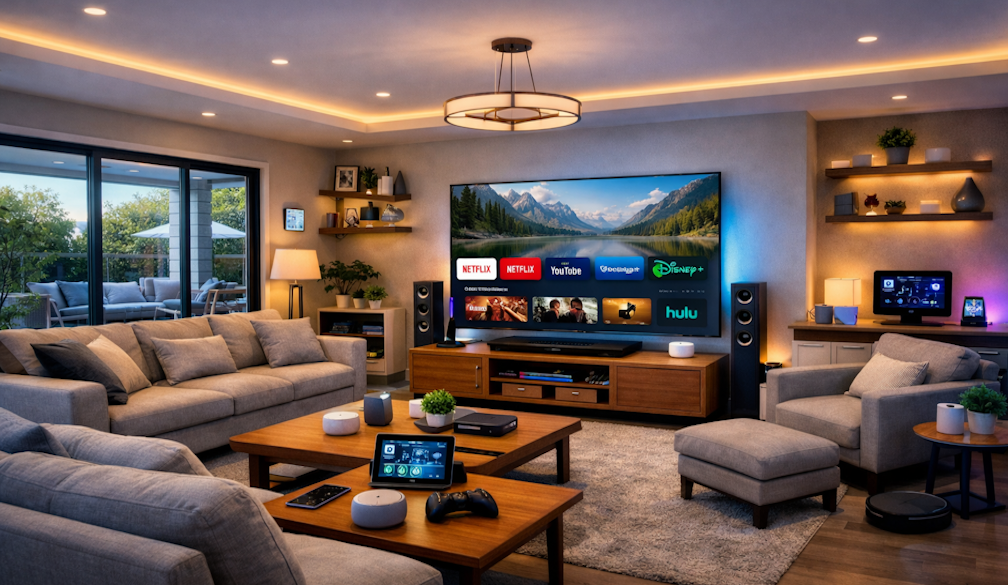
Home entertainment systems have become a far bigger part of everyday living across Australia. Larger televisions, streaming platforms, gaming consoles, and connected entertainment devices are now common in many households, changing the way people use their living spaces on a daily basis.
As these systems become more advanced, homeowners are also beginning to pay closer attention to how entertainment technology is installed throughout the home. Signal reliability, room layout, cable organisation, and long-term usability are increasingly influencing how entertainment spaces are planned and upgraded.
Many properties still experience issues such as inconsistent reception, visible cable clutter, awkward television placement, and unreliable system performance. In many cases, these frustrations are not caused by the devices themselves, but by ageing infrastructure and poorly organised installations behind them.
Older homes across Australia were rarely designed to support the number of connected systems now operating simultaneously inside modern households. Entertainment areas today often involve televisions, streaming systems, sound equipment, gaming devices, CCTV setups, and structured cabling all functioning together within the same environment.
As a result, installation quality is becoming more important than many homeowners initially expect.
Television wall mounting has become particularly popular because it helps create cleaner and more organised living spaces while improving viewing comfort at the same time. Proper screen positioning also affects glare reduction, viewing angles, and room functionality far more than many people realise during the initial setup stage.
Reception quality continues to remain an important factor for households using free-to-air television services throughout Australia. Problems such as blurry channels, signal interruptions, and inconsistent viewing quality are frequently linked to outdated antenna systems, damaged cabling, or poor signal positioning rather than faults with the television itself.
Proper antenna installation and organised signal distribution often influence long-term viewing reliability more heavily than repeated device upgrades.
Structured cabling and data point installation are also becoming more common as households rely on larger numbers of connected devices throughout the home. Well-organised infrastructure generally helps create cleaner entertainment spaces while supporting more reliable long-term system performance.
CCTV systems are increasingly being integrated into broader home infrastructure projects as well. Camera positioning, cable routing, and installation quality all play an important role in how practical and visually balanced these systems feel within residential environments.
As entertainment technology continues evolving, installation quality and organised infrastructure are becoming a much bigger part of how Australian homes function on an everyday level.










