Canopy Ideas for Tradies, Travellers, and Everyday Drivers
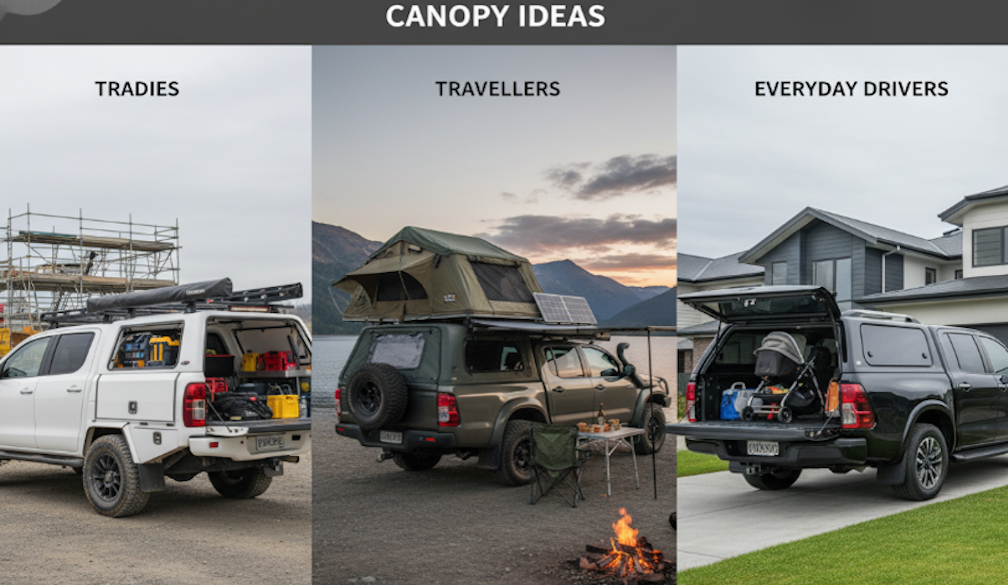
Leaving gear exposed in an open ute tub usually means constantly checking the rearview mirror in traffic or worrying about sudden downpours soaking your equipment.Standard tubs simply lack the security and vertical space required for serious work or travel. If you are in search of a robust Hilux canopy for sale to fix this issue, the choice comes down to matching the internal layout with how you actually use the vehicle.
Tailoring the structure to your routine turns an ordinary utility vehicle into a highly capable, secure environment that handles tools, camping gear, or the weekend family shop with equal ease.
How Tradespeople Build a More Productive Mobile Workspace
A tradie's ute is essentially a mobile business, and lost time looking for a specific tool directly impacts the bottom line. Throwing everything into an open space creates chaos, which is why interior fit-outs matter just as much as the outer shell. Integrating custom shelving and heavy-duty drawer units keeps components sorted, while slide-out trays ensure heavy items can be reached without awkward stretching.
Security is the other major factor for anyone carrying thousands of dollars in specialised equipment. Solid doors without windows are often preferred because they keep expensive tools out of sight, removing temptation for thieves. When you couple that visual privacy with robust, dual-stage locking mechanisms and reinforced door hinges, you get a setup that can be confidently parked on a busy urban job site or a suburban street overnight.
External upgrades can also expand what the vehicle can carry. Adding heavy-duty roof bars or a dedicated ladder rack allows you to transport long materials like timber, conduits, or scaffolding pieces safely. This keeps the interior free for delicate power tools and specialised electronics that need protection from the elements.
Setting Up a Vehicle for Serious Long Distance Travel
Touring away from major towns requires a shift in mindset toward complete self-sufficiency and weight management. When you are hundreds of kilometres from the nearest supply store, how you pack determines how comfortable the trip will be. Modern touring builds generally focus on creating a reliable power hub inside the enclosure. This means mounting dual battery setups, solar controllers, and switch panels to run a portable fridge and camp lights without risking a flat starting battery.
Accessibility makes a massive difference when living out of the back of a vehicle for weeks at a time. Drop-down fridge slides bring the kitchen workspace to a manageable height, while specialised pantry drawers keep food items from rattling to pieces on rough corrugated roads.
Dust suppression is a massive hurdle when travelling through dry inland regions. High-quality automotive seals and positive pressure vents prevent fine dust from being sucked into the storage area, keeping your sleeping gear and cooking utensils clean. Choosing a lightweight metal structure keeps the overall weight down, which preserves your legal payload capacity so you can carry extra water and fuel safely.
Balancing Family Duties with Everyday Commuting Needs
You do not need to be tackling a remote desert track or running a building business to get value from an enclosed tray. Plenty of drivers use their utilities for school runs, grocery shopping, and transporting sporting equipment. For these drivers, convenience and ease of cleaning are what matter most. A dry, lockable rear section means prams, school bags, and weekly shopping stay protected from sudden weather changes without taking up valuable passenger space in the cabin.
The right setup for daily driving prioritises quick access. Dual side doors are incredibly useful here, allowing you to reach items near the front of the tray from the curb without having to climb into the back of the vehicle. This configuration keeps the vehicle entirely practical for domestic chores while retaining its core rugged capability. When the weekend arrives, the same space that held school bags on Friday can easily swallow camping chairs, cricket gear, or a couple of surfboards for a quick trip to the coast.
Choosing Materials That Endure the Elements
The material you choose dictates the longevity of the upgrade and how the vehicle handles on the road. Aluminium is widely considered the benchmark for modern builds because it offers excellent strength without adding excessive weight to the chassis. A lighter rear setup reduces wear on your suspension, improves braking performance, and helps maintain decent fuel economy over the life of the vehicle. It also handles coastal air and regular rain without rusting, which keeps the vehicle looking professional.
Fibreglass and high-grade plastics offer alternative benefits, particularly if you prefer a smoother shape that aligns with the factory cabin lines. These materials are excellent for general security and weatherproofing, though they lack the structural flexibility for mounting heavy internal shelving directly to the walls.
No matter which material fits your budget, the moving parts require close inspection.
Investing in high-quality gas struts that lift easily in the cold, industrial-grade hinges that can handle a bit of dirt, and thick rubber seals will ensure the enclosure remains functional long after the novelty of the initial upgrade wears off.
Final Thoughts
Upgrading your utility vehicle with a dedicated rear enclosure changes how you interact with your vehicle every day. Rather than dealing with the limitations of a standard factory tub, a targeted setup bridges the gap between a rugged workhorse and a practical family vehicle.
By focusing on your specific needs for security, access, and weight distribution, you can create a layout that protects your gear and simplifies your transport needs for years to come.