


The Shift Toward More Portable and Lightweight Trade Equipment
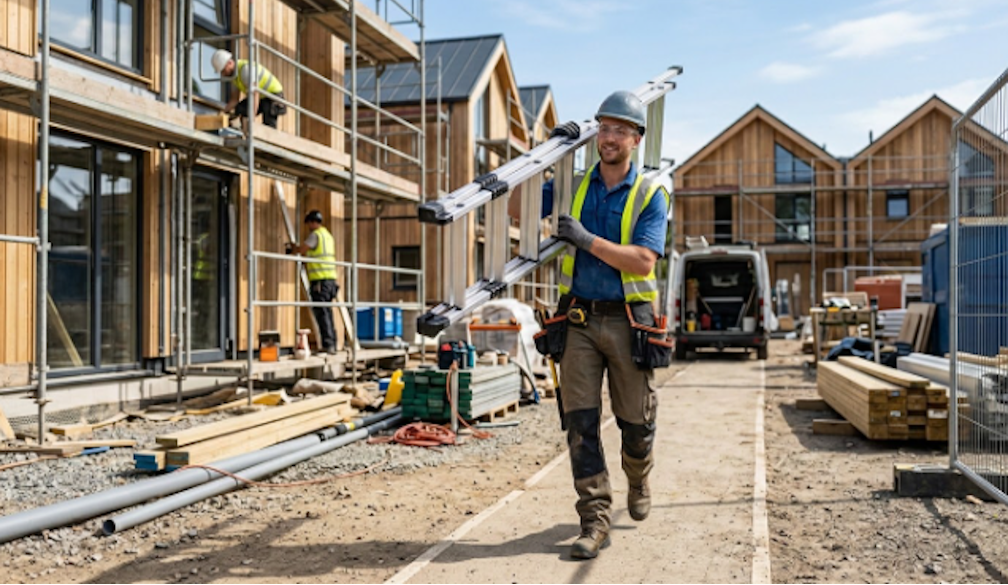
The daily physical demands placed on tradespeople across the Australian construction, maintenance, and engineering sectors are notoriously rigorous. Moving heavy machinery, handling raw materials, and transporting specialised gear between vehicles and active jobsites contribute significantly to musculoskeletal fatigue and workplace strain. For many decades, the industry standard for durability meant relying on heavy, industrial grade steel or thick, dense timber access platforms. While these traditional materials certainly provided a solid, unyielding footprint underfoot, their immense physical weight turned everyday tasks like loading vehicle roof racks and moving across large commercial properties into exhausting, multi person chores.
In recent times, a profound shift has swept through the commercial equipment manufacturing sector, heavily prioritizing lightweight structural portability without compromising on safety compliance or structural payload capacities.
This material evolution is driven by a deeper understanding of occupational health and safety metrics alongside a push for greater operational efficiency. When an individual contractor or a corporate maintenance team can reduce the physical mass of their primary access gear, they instantly minimise the risk of overexertion injuries during transit. Furthermore, reducing equipment weight speeds up installation and setup times, allowing a single worker to safely unpack, erect, and adjust a high vertical frame completely unassisted. Modern site managers actively look for these structural weight savings when auditing their equipment fleets, knowing that a less physically fatigued workforce is a significantly safer and more productive one.
Central to this structural transition is the widespread adoption of advanced, high tensile aluminium alloys within the industrial fabrication sector. By utilizing engineering techniques originally refined in the aerospace industry, modern manufacturers can extrude structural profiles that provide exceptional tensile strength while maintaining a fraction of the mass of traditional carbon steel. These structural elements are highly resilient against twisting and bending forces, utilizing specialized internal ribbing and multi rivet connection joints to manage heavy commercial weights effortlessly. For general construction workflows, carpentry, painting, and facility management, upgrading to these advanced configurations represents the gold standard for portable, long term fleet management.
When building teams look into sourcing compliant gear across the domestic market, identifying premium ladders australia distribution networks is essential to guarantee that lightweight designs still meet rigid regulatory parameters. Under Australian manufacturing guidelines, particularly the rigorous AS 1892 standard, any portable platform deployed on a commercial or industrial jobsite must carry an explicit Industrial Duty Rating. This certification guarantees that the lightweight frame is legally rated to support minimum continuous workloads of 130kg, 150kg, or up to 180kg for elite heavy duty trade series. Bypassing cheap, low quality domestic models in favour of certified, lightweight commercial grade alloy profiles ensures total compliance with workplace safety laws and eliminates the risk of structural failure under load.
Beyond the clear weight advantages of structural aluminium, the push for portable access solutions has also transformed the non conductive equipment landscape. For electrical contractors, communications technicians, and teams operating near high voltage infrastructure, metal frames present an obvious safety hazard due to electrical conductivity. To address this risk, modern manufacturing utilizes composite fibreglass materials that blend high strength structural resins with continuous glass strands. Early fibreglass models were famously bulky and prone to sun damage, but modern composite formulations are significantly lighter, sleeker, and reinforced with advanced UV inhibitors to withstand intense Australian sun exposure without losing material integrity or safety values over time.
The geometry of modern trade equipment has also evolved to support maximum portability and compact storage configurations. Traditional straight extension profiles require substantial vehicle space and long transport racks, but the market now embraces highly versatile multi position and dual purpose configurations. These smart systems easily transform from an independent A-frame self supporting footprint into a high straight extension layout, allowing a contractor to manage varying height requirements with a single, highly compact tool. This design efficiency allows small businesses and independent tradespeople to optimize their internal van space, protect their assets from weather damage, and arrive at jobsites fully equipped for diverse operational challenges.
Ultimately, embracing lightweight and portable access technology is an investment in the long term health and efficiency of your business. By replacing old, cumbersome, and fatiguing hardware with high performance structural alloy or advanced non conductive composite profiles, you remove a major source of physical daily friction from your trade routine. Prioritising certified, industrially rated access solutions keeps your projects completely aligned with modern Australian safety standards, ensuring your team can work with absolute structural confidence, move between locations with total ease, and maintain a highly productive workflow on any jobsite across the nation.










