


Why the Big Weekly Shop is Disappearing from Australian Kitchens
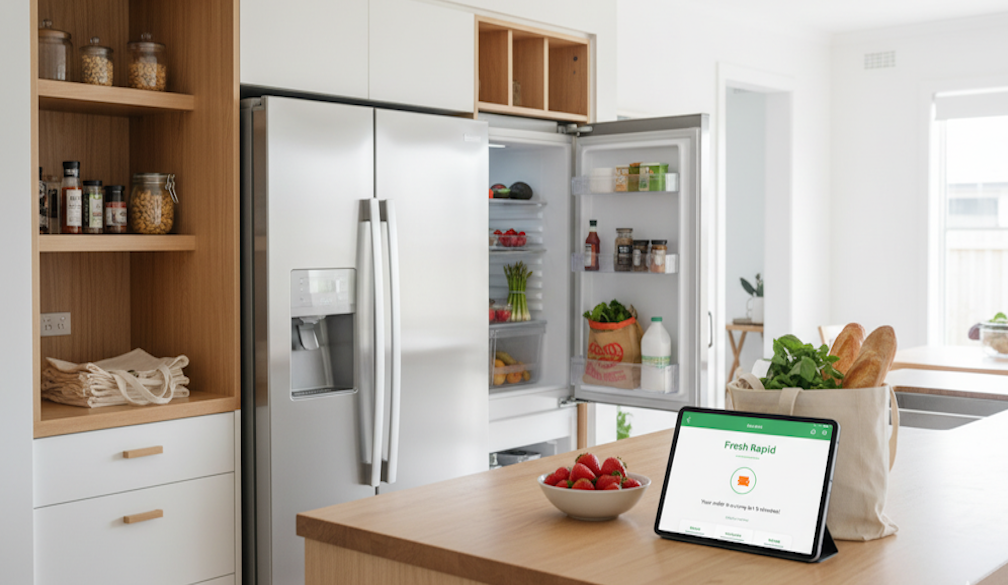
For generations of Australians, the massive weekly supermarket run was an unavoidable weekend ritual. Families would push overloaded trolleys down crowded aisles, trying to predict exactly what they would want to eat for the next seven days. It was a chore that demanded careful coordination, a strict list, and a fair amount of patience. Today, that rigid routine is fading fast. Changing work schedules, economic pressures, and a growing desire for fresher ingredients are prompting households to rethink how they source their food. Instead of a single enormous haul, many are shifting towards a more agile, responsive approach to feeding their families.
The Financial Squeeze on Household Budgets
This shift away from bulk buying is largely driven by harsh macroeconomic realities. With household budgets already stretched to their limits by compounding daily expenses, families are being forced to squeeze more value out of every single dollar they earn. The reality of these financial pressures is evident across the country. For example, regional reports show that cost of living increases worry Farrer residents, mirroring the widespread financial strain felt nationwide as people heavily scrutinise their everyday expenses.
Families simply can no longer afford to tie up large portions of their weekly budget in a mountain of groceries that might go unused. Instead of dropping hundreds of dollars at the checkout all at once, consumers are actively opting to buy smaller amounts of food more frequently. This deliberate pacing ensures they only spend money on items they will definitely consume, keeping cash free for other essential bills throughout the week.
Embracing Flexible Sourcing
Modern life rarely sticks to a predictable seven-day meal plan. Late days at the office, impromptu social plans, or simply changing your mind about dinner can instantly derail a perfectly scheduled menu. To adapt to these constant shifts, urban and suburban residents alike are adopting much more spontaneous purchasing habits.
Rather than dedicating hours to navigating aisles on a Saturday morning, many consumers now rely on fast, on-demand services to top up their pantries. The modern convenience of rapid grocery delivery empowers households to secure fresh produce and essential ingredients exactly when they need them, without committing to a massive weekend stock-up. This on-the-fly model fits seamlessly into busy, unpredictable schedules. By ordering just enough for the next day or two, home cooks are finding it much easier to manage their time and their immediate dietary preferences.
The Hidden Cost of Food Waste
Perhaps the most compelling reason to abandon the huge weekly shop is the staggering environmental and financial toll of throwing food away. Overcommitting to a large grocery haul often leads to forgotten vegetables wilting in the crisper drawer or leftovers spoiling in the back of the fridge. This well-intentioned over-purchasing creates a massive problem across the country.
The data reveals a startling picture of domestic waste. Research shows that poor purchasing and storing habits contribute to 2.5 million tonnes of household food waste going to landfill each year. However, eliminating this waste could save the average family between $2200 and $3800 per year. When you break those numbers down, the financial incentive to step away from bulk buying and purchase only what you actually need becomes impossible to ignore.
How Micro-Shopping Benefits the Modern Home
Transitioning to a micro-shopping routine offers practical advantages that extend well beyond the immediate budget. Embracing a more fluid approach to stocking the kitchen can completely transform how a household operates on a daily basis.
- Fresher ingredients: Buying produce for a specific recipe means you are cooking with vegetables and proteins at their peak freshness, rather than eating items that have been sitting in the fridge for six days.
- Less temptation: Avoiding massive supermarkets means you are less likely to fall victim to clever marketing tactics or bulk-buy promotions for junk food you do not actually need.
- Adaptable meal planning: You can easily switch up your dinners based on the weather, your mood, or what looks best at the local market that day.
- More fridge space: A less cluttered refrigerator makes it easier to see exactly what you have, preventing items from getting lost and spoiling out of sight.
The decline of the traditional big weekly shop marks a highly positive evolution in Australian culinary habits. By stepping away from the overloaded supermarket trolley and embracing smaller, more deliberate daily purchases, consumers are regaining control over their precious free time and their hard-earned finances. Whether it involves grabbing a few items on the commute home or tapping an app for a quick restock of essentials, the tools available today make flexible food management easier than ever. As modern convenience continues to align with smarter, more sustainable budgeting, the trend of spontaneous shopping is clearly here to stay. Ultimately, it is helping households eat fresher meals, enjoy more variety, and waste significantly less food along the way.










