Loan Repayment Strategies That Help Reduce Financial Pressure Over Time
Borrowing money is often a necessary step for significant life events. This might include consolidating existing debt, upgrading a vehicle, or managing a major home repair. However, the long-term impact of a loan depends heavily on the strategy used to pay it back. Without a clear plan, even a manageable debt can become a source of ongoing stress.
By adopting a proactive approach to repayments, you can reduce the total interest paid and shorten the life of the debt. This leads to greater financial freedom and more control over your household budget.
Choosing the Right Debt Structure
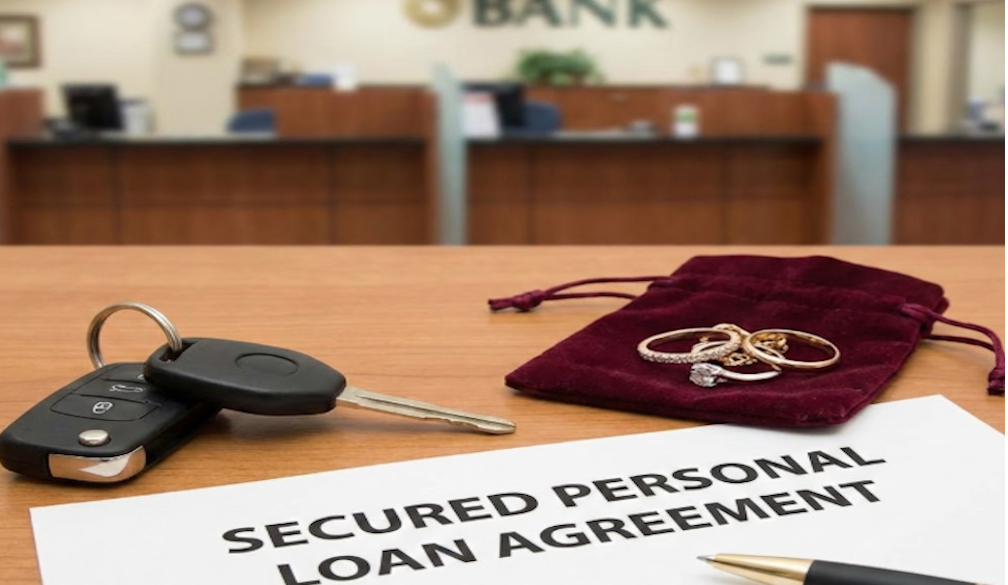
The first step in reducing financial pressure is ensuring the debt is structured correctly from the outset. For many, a secured personal loan is a preferred option. Because this type of borrowing is backed by an asset, such as a car or a term deposit, it typically carries a lower interest rate than an unsecured alternative. Starting with a lower rate immediately reduces the monthly burden. This allows more of your payment to go towards the principal rather than the interest.
The Benefit of More Frequent Payments
Most people align their loan repayments with their monthly salary. However, switching to fortnightly or even weekly payments can have a significant cumulative effect. Since interest is often calculated daily, making smaller, more frequent payments reduces the average daily balance of your loan.
Over the course of a year, making fortnightly payments instead of monthly ones results in the equivalent of one extra monthly payment being made. This simple shift can shave months or even years off a long-term loan without requiring a drastic change to your lifestyle.
The Round Up and Extra Repayment Rule
If your loan contract allows for extra repayments without penalty, even small additions can make a difference. Rounding up your payment to the nearest fifty or hundred pounds is an effective way to chip away at the balance.
Furthermore, applying windfalls directly to a secured personal loan can drastically alter the debt's trajectory. These funds might include tax returns, work bonuses, or inheritance. Since these funds were not part of your regular budget, you will not feel the pinch of losing them. However, you will certainly feel the relief as your balance drops faster than anticipated.
Focusing on the Principal with the Avalanche Method
When managing multiple debts, the Avalanche Method is a sound way to reduce pressure. This involves making the minimum payments on all debts but putting any extra cash towards the loan with the highest interest rate. Once that high-interest debt is gone, you move the entire payment amount to the next highest.
This method ensures you are paying as little in interest as possible over time. This allows your money to work harder for your future rather than the lender’s bottom line.
Reviewing and Refinancing
The financial market is not static. As your credit score improves or as market rates change, it is worth reviewing your current arrangements. You might find that moving an older, high-interest debt into a more modern secured personal loan provides a much-needed reduction in your monthly outgoings.
Regular reviews help you stay in control of your finances. This prevents you from being a passive participant in your own debt management.
Establishing a Clear Path Forward
Reducing financial pressure is not about a single grand gesture. It is about the consistent application of smart habits. By selecting the right loan product, increasing payment frequency, and applying extra funds whenever possible, you can turn a daunting debt into a manageable task. Staying informed remains the best way to protect your financial health and secure a debt-free future.
Information References
- Consumer Finance Bureau: Debt reduction strategies and interest calculation guides.
- Banking Insights: Personal Loan Features and Asset Security.
- Financial Literacy Standards: Best practices for managing personal credit and repayments.