


Quality Stainless Steel Supplies: Your Trusted Source for Reliable Steel Suppliers
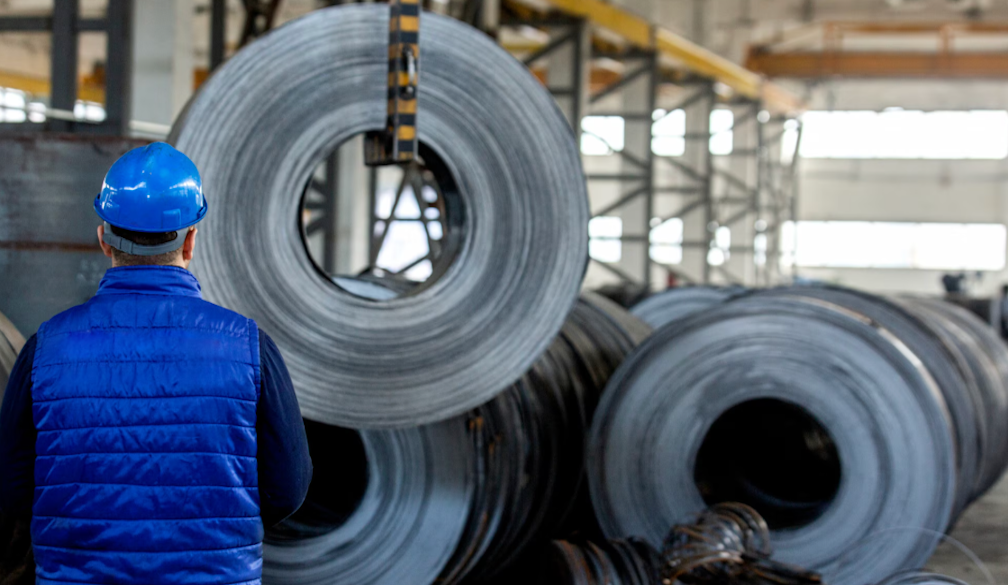
Discover quality Stainless Steel Supplies! Your trusted source for reliable steel suppliers, delivering impressive strength & longevity.💪🏽🛠️"
Stainless steel has become a preferred material across multiple industries due to its combination of durability, visual appeal, and adaptability. Its applications range from construction and automotive sectors to kitchenware, medical devices, and industrial machinery. The growing reliance on stainless steel drives demand for suppliers capable of delivering consistent quality, diverse product options, and adherence to industry regulations.
Suppliers of stainless steel bridge the gap between production facilities and end-users by providing materials tailored to specific technical requirements. These may include corrosion resistance, tensile strength, machinability, and surface finish. Products are often sourced from international mills or manufactured in-house, with customised dimensions, alloys, or finishes to suit particular projects. As technology transforms trade and manufacturing processes, suppliers that maintain flexibility in production and distribution can respond to changing client needs effectively.
Environmental considerations are increasingly significant in the stainless steel supply chain. Many suppliers adopt production and logistics methods that limit ecological impact. By prioritising responsible sourcing and energy-efficient processes, they contribute to sustainable practices while maintaining high-quality standards for clients.
Understanding the Role of Steel Suppliers
Stainless steel suppliers play a crucial role in keeping many industries running smoothly. They ensure businesses have reliable access to high-quality materials, help maintain consistent product standards, and support safety and regulatory requirements. By managing deliveries efficiently and providing dependable supply, they help reduce delays, control costs, and keep manufacturing and construction projects on track.
Properties of Stainless Steel
Stainless steel is an alloy mainly composed of iron, chromium, and nickel. It offers corrosion resistance, strength, and an appealing finish, making it suitable for a variety of applications. Industries ranging from construction to healthcare rely on stainless steel for components that must endure harsh conditions while maintaining structural integrity and aesthetic quality.
The material is available in several types, including austenitic, ferritic, martensitic, duplex, and precipitation-hardening varieties. Each type has unique attributes that make it appropriate for certain functions. For instance, some grades prioritise resistance to chemical exposure, while others focus on mechanical strength or formability. This diversity allows stainless steel to serve multiple sectors efficiently.
Advantages of Using High-Quality Stainless Steel
Durability and strength remain primary factors when selecting materials for long-term applications. Stainless steel resists wear, corrosion, and deformation, reducing maintenance needs and extending service life for structures, machinery, and equipment.
Performance reliability is another key benefit. High-quality stainless steel maintains consistency in demanding environments, supporting precision manufacturing, food processing operations, and medical applications. Its predictable performance ensures processes run smoothly, lowering operational risks and improving outcomes.
Cost-effectiveness emerges from the material’s longevity. Although the initial investment may be higher compared to other metals, reduced maintenance requirements and fewer replacements result in long-term savings.
Stainless steel also adapts to a wide range of applications. Its versatility enables use in structural components, kitchen fixtures, medical instruments, automotive parts, and decorative elements. Suppliers offering diverse grades and forms, such as sheets, rods, or tubes, allow clients to select materials that best fit their specific requirements.
Selecting the Right Stainless Steel Supplier
Quality control remains a top priority for any supplier. Providers implement rigorous testing, certification, and inspection protocols to confirm that products meet predetermined specifications. These measures give buyers confidence that materials will perform as intended across all applications.
Reliable suppliers maintain consistent availability, ensuring products are accessible when needed. This reliability supports smooth workflows in industries where project timelines and production schedules cannot accommodate delays.
Pricing is another aspect that influences supplier choice. Competitive pricing strategies offer value while maintaining quality, allowing clients to balance costs without compromising on performance or standards.
Customer support complements product offerings. Steel suppliers often provide guidance on material selection, handling procedures, and logistical coordination. Open communication and professional assistance help clients achieve optimal results, particularly for complex or specialised projects.
Supporting Business Efficiency Through Steel Supply
Timely delivery is integral to operational success. Suppliers employ careful planning, coordination with transport providers, and monitoring systems to reduce delays. This reliability allows clients to maintain production schedules and meet project deadlines without interruptions.
Streamlined operations extend beyond delivery. Suppliers that integrate digital tools for ordering, tracking, and inventory management simplify procurement processes, allowing businesses to focus on core activities. Consistency in supply chains reduces uncertainty and supports more predictable operational planning.
Access to high-quality stainless steel underpins project quality and long-term success. By prioritising durability, performance, and compliance, suppliers enable clients to produce products and structures that meet rigorous standards. Their contributions influence manufacturing efficiency, construction quality, and overall industry performance.
Conclusion
Stainless steel remains a fundamental material for modern industries, combining strength, resilience, and versatility. Dependable suppliers provide the foundation for successful projects, offering materials that meet technical specifications and align with operational demands. Through consistent quality, flexible offerings, and attentive service, these providers support the growth and efficiency of sectors that rely on stainless steel, ensuring both immediate and long-term benefits.










