Electric Sliding Door: Modern Access Solutions for Homes and Businesses
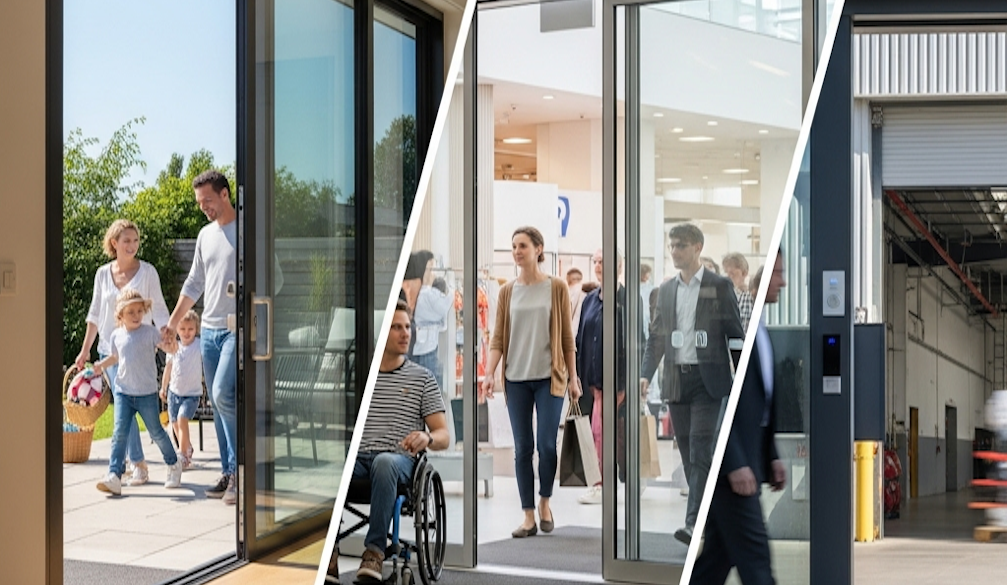
Convenience, safety, and efficiency are at the heart of modern building design. One innovation that continues to grow in popularity is the electric sliding door. Found in both residential and commercial spaces, these doors combine sleek design with automated technology, providing smooth and effortless entry. Whether it’s a busy household, a retail store, or a healthcare facility, electric sliding doors deliver practical benefits while enhancing the overall user experience.
What is an Electric Sliding Door
An electric sliding door is a motorised entry system that opens and closes automatically, typically triggered by motion sensors, push buttons, or remote controls. Unlike traditional hinged doors, sliding doors move horizontally, saving space and allowing for uninterrupted access.
These systems can be installed in homes, offices, retail outlets, and industrial buildings, offering versatility and modern appeal.
Benefits of Electric Sliding Doors
The primary benefit is convenience. With an electric sliding door, there’s no need to manually open or close the door—an essential feature for people carrying items, pushing prams, or managing mobility challenges.
Space efficiency is another advantage. Because they slide along a track rather than swinging open, these doors are ideal for areas where space is limited.
They also contribute to improved hygiene. In environments such as hospitals or food preparation areas, hands-free operation reduces the spread of germs by minimising physical contact.
Residential Applications
For homeowners, an electric sliding door is often used to create a seamless connection between indoor and outdoor spaces. Sliding doors leading to patios, gardens, or balconies provide easy access while maximising natural light and ventilation.
They also add modern elegance to home designs. With sleek frames and custom finishes, electric sliding doors enhance both aesthetics and functionality, making homes more enjoyable and valuable.
Commercial and Industrial Applications
Businesses benefit greatly from installing electric sliding doors. Retail stores, supermarkets, and shopping centres use them to manage high foot traffic while creating an inviting entrance. The automatic mechanism ensures easy access for all customers, including those with disabilities.
In offices and industrial settings, electric sliding doors improve workflow by enabling smoother movement of staff, equipment, or goods. Their ability to accommodate large openings makes them practical for warehouses and manufacturing plants.
Energy Efficiency and Climate Control
One of the overlooked advantages of an electric sliding door is energy efficiency. Because the doors open and close quickly, less conditioned air escapes, helping maintain indoor temperatures. This reduces reliance on heating and cooling systems, lowering energy costs and improving environmental sustainability.
Some advanced models even include sensors that adjust door operation based on foot traffic, further optimising energy performance.
Safety and Security Features
Modern electric sliding doors are designed with safety in mind. Sensors detect obstacles to prevent doors from closing on people or objects. Emergency stop features and battery backup systems ensure functionality even during power outages.
Security is also a priority. Reinforced glass, robust locking mechanisms, and integration with access control systems make electric sliding doors a secure choice for both homes and businesses.
Customisation and Design Options
Property owners have a wide range of choices when it comes to design. Frames can be made from aluminium, steel, or timber doors brisbane, while glazing options include clear, frosted, or tinted glass for added privacy.
Automation settings can also be customised, from adjustable opening speeds to integration with smart home automation systems. This flexibility ensures that an electric sliding door fits perfectly into any environment.
Why Professional Installation Matters
Installing an electric sliding door requires expertise to ensure proper alignment, wiring, and calibration of sensors. Professional installers provide tailored solutions, ensuring the system is safe, compliant, and reliable.
Attempting DIY installation can lead to operational issues, reduced efficiency, or even safety hazards. Professional installation also ensures that warranties remain valid, protecting the investment.
The Future of Electric Sliding Doors
As technology advances, the future of electric sliding doors looks promising. Integration with artificial intelligence and smart building systems will make these doors even more efficient and intuitive. From adjusting operation based on real-time occupancy to integrating with energy management systems, future designs will further enhance convenience and sustainability.
Conclusion
An electric sliding door is more than a modern design feature—it is a practical solution that enhances convenience, safety, and energy efficiency. Suitable for both residential and commercial spaces, these doors provide smooth access, stylish finishes, and reliable performance.
For property owners in search of functionality and elegance, investing in electric sliding doors is a decision that offers immediate benefits and long-term value. With professional installation and smart technology integration, they represent the future of modern entry solutions.