Helping Your Child Prepare for Preschool: A Parent’s Guide
Preschool is a big and exciting step for your child, and for you too! It means new friends, new learning, and a new routine. As a result, it's normal for both kids and parents to feel a mix of excitement and a little worry. But with some gentle preparation, you can make this big change smooth and happy for everyone. This guide offers simple tips to help your child get ready for their preschool adventure.
1. Start Early (But Don't Stress!)
You don't need to do everything at the last minute. Instead, think about small, gentle steps you can take over a few weeks or months. The main goal isn't to make your child a "perfect" preschooler, but rather to help them feel comfortable and ready for new experiences. Just focus on making it fun!
2. Building Key Skills (Through Play!)
A good early learning centre is ideal for learning and growing. Many helpful skills can be practised just by playing every day.
- Social & Emotional Growth:
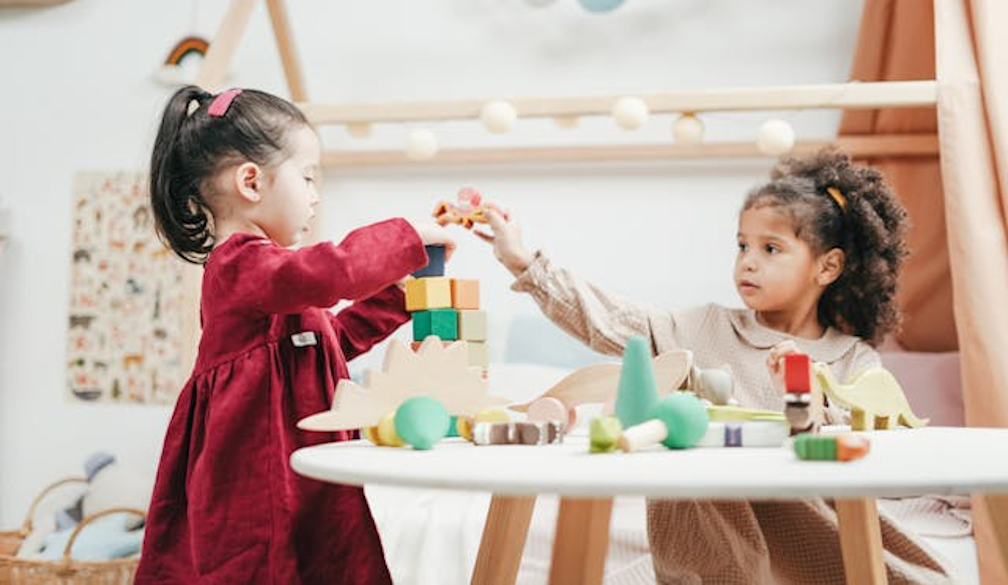
- Playdates: Set up short playdates. This helps your child practice sharing toys and taking turns.
- Short Separations: Let your child spend short times away with a trusted person. This helps them learn you'll always return.
- Talk About Feelings: Help your child name how they feel (like "sad" or "happy"). This helps them tell teachers later.
- Self-Help Skills:
- Potty Training: Encourage using the toilet, washing hands, and telling a teacher they need to go.
- Dressing: Practice putting on simple clothes and shoes, like zipping a coat.
- Washing Hands & Wiping Nose: Make these important habits to keep germs away.
- Eating Independently: Encourage eating snacks and drinking from a cup by themselves.
- Language & Listening:
- Talk and Listen: Have many talks, ask questions, and read stories together.
- Follow Simple Instructions: Practice following one or two easy directions, like "Please put the toy away."
- Use Words to Ask: Encourage using words to ask for what they need, instead of just pointing or crying.
3. Getting Ready for the School Routine
Preschool has its daily rhythm. Knowing what to expect helps kids feel safe and secure.
- Talk About Preschool: Chat happily about new friends or singing songs there.
- Read Books: Find books about starting school; these can calm fears.
- Practice a Routine: Set a regular bedtime and morning routine, like getting dressed and eating breakfast.
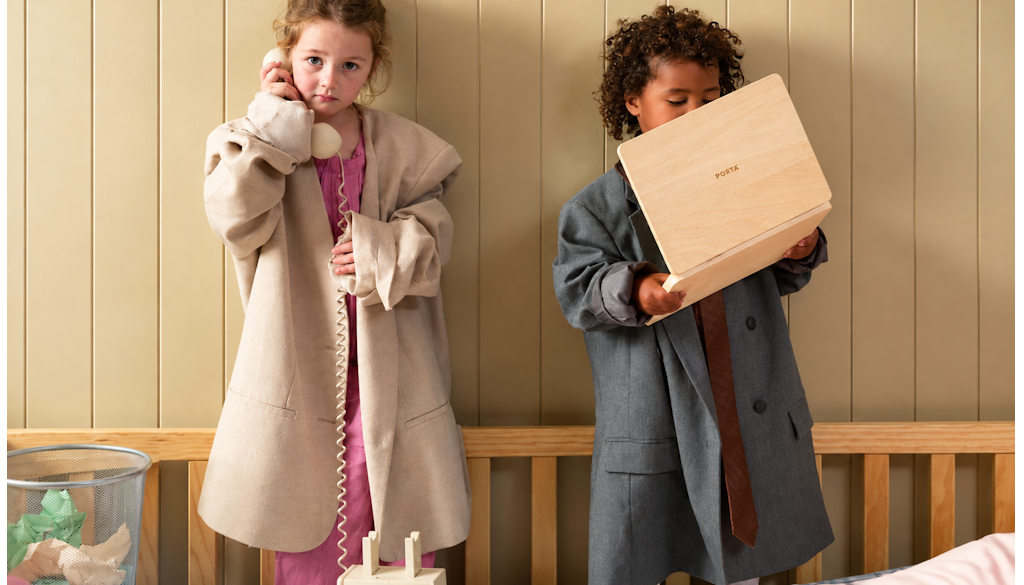
- "School" Play: Pretend to go to "school" at home, practising story or quiet time.
4. Visiting the Preschool
If possible, take your child to visit the preschool before their first day.
- Explore: Walk around the classroom and play on the playground. Let them see where everything is.
- Meet Teachers: Introduce your child to their teachers. Even a quick "hello" helps make the teachers feel familiar.
- Positive Experience: Make this visit fun and exciting. Talk about all the cool toys and activities they'll get to do there.
5. The "Good-Bye" Moment
Saying goodbye on the first day can be tough for both of you, but a smooth goodbye helps everyone.
- Practice Short Goodbyes: When you leave your child with others, make your goodbyes quick and sweet. A fast hug and a cheerful "I love you, I'll be back!" works better than a long, drawn-out farewell.
- Special Ritual: Maybe create a special handshake or a secret wave for drop-off.
- Stay Calm: If your child cries, that's natural. Stay calm and positive. Reassure them you'll be back, and then let the teacher help them settle in. Teachers are good at this!
6. Parents' Role: Stay Positive and Patient
Your feelings about preschool can really rub off on your child. Therefore, it's important to set a positive tone.
- Be Positive: Talk about preschool in a happy, excited voice. Your excitement can make them excited too!
- Listen to Worries: If your child has questions or worries, listen carefully. Don't brush them aside. Answer them honestly and kindly.
- Understand Bumps: The first few weeks might have good days and harder days. That's normal. Be patient with your child and yourself.
- Celebrate Small Wins: Praise your child for every little step forward, such as trying a new activity or making a new friend.
Helping your child get ready for preschool is a journey, not a race. By focusing on gentle preparation, encouraging new skills through play, getting used to the routine, and keeping a positive attitude, you can make this big step a happy and successful one. Trust your child to adapt, and also trust the preschool to be a caring place. Soon, they'll be happy and growing in their new classroom!