Australia and Germany partner on hydrogen initiatives
- Written by: Scott Morrison
Australia and Germany will invest in a series of new initiatives to accelerate the development of a hydrogen industry, creating new economic opportunities and jobs while reducing emissions.
Today, our countries announce the Declaration of Intent between the Government of Australia and the Government of Germany on the Australia-Germany Hydrogen Accord.
The Accord builds on our respective strengths, with Australia looking to be a major hydrogen exporter and Germany holding expertise in hydrogen technology and planning to import significant quantities of hydrogen in the future.
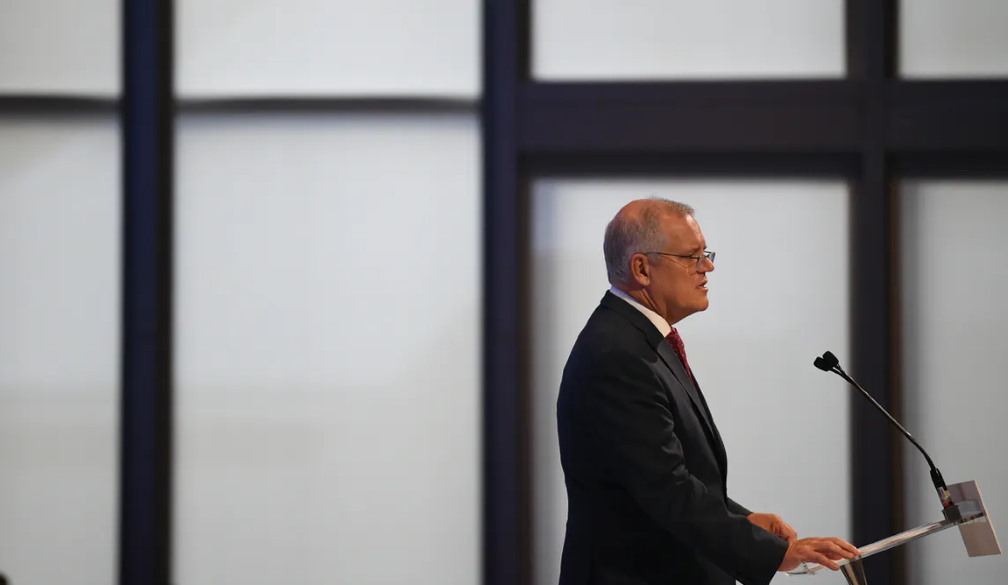
Prime Minister Scott Morrison said international collaboration focused on technological innovation was key to getting new energy technologies like hydrogen to commercial parity.
“Our partnership with Germany will accelerate the development of an Australian hydrogen industry and create new jobs,” Prime Minister Morrison said.
“Our ambition is to produce the cheapest clean hydrogen in the world, which will transform transport, mining, resources and manufacturing at home and overseas.
“Developing new low emissions industries means more jobs for Australian workers, and cheaper energy means lower costs for businesses so they can reinvest in hiring more people.”
Minister for Energy and Emissions Reduction Angus Taylor said getting new energy technologies to parity with existing technologies was the only way to reduce emissions without imposing taxes or new costs on households, businesses and industry.
“Australia is playing its role in the global effort to reduce emissions by driving down the cost of low emissions technologies,” Minister Taylor said.
“Clean hydrogen is a priority under the Technology Investment Roadmap and we’re excited to be working with Germany to bring this new industry to life.
“We have a mix of all the key ingredients needed to be a major global player in a thriving global clean hydrogen industry – abundant land and energy resources coupled with an excellent track record and reputation as reliable energy partner.
“We have set the goal of producing hydrogen at less than $2 a kilogram – ‘H2 under 2’, the price at which hydrogen becomes competitive with higher emitting alternatives.
“Getting new technologies like hydrogen to cost parity will enable substantial reductions in global emissions, while strengthening existing industries and creating new ones.”
The Accord includes three major initiatives:
- Establishing the German-Australian Hydrogen Innovation and Technology Incubator (HyGATE) to support real-world pilot, trial, demonstration and research projects along the hydrogen supply chain. Australia and Germany have respectively committed up to $50 million and €50 million to establish HyGATE.
- Facilitating industry-to-industry cooperation on demonstration projects in Australian hydrogen hubs.
- Exploring options to facilitate the trade of hydrogen and its derivatives produced from renewables (such as ammonia) from Australia to Germany, including through Germany’s H2Global Initiative, which supports long-term supply agreements with German industry.
The Accord builds on Australia’s existing collaboration with Germany on low emissions technologies including hydrogen, with a two-year supply chain study between the two countries already underway.
Together with partnerships with Singapore and Japan, these new initiatives are part of the Government’s $565.8 million commitment to build new international technology partnerships that will drive investment in Australian-based projects and create up to 2,500 jobs.
Building demand for future low emissions energy exports will help Australia’s emerging hydrogen industry scale up and attract investment. An Australian hydrogen industry could generate more than 8,000 jobs and deliver over $11 billion a year in GDP by 2050