


Human Rights Commission expresses 'deep concerns' at ban on returnees from India
- Written by: Michelle Grattan, Professorial Fellow, University of Canberra
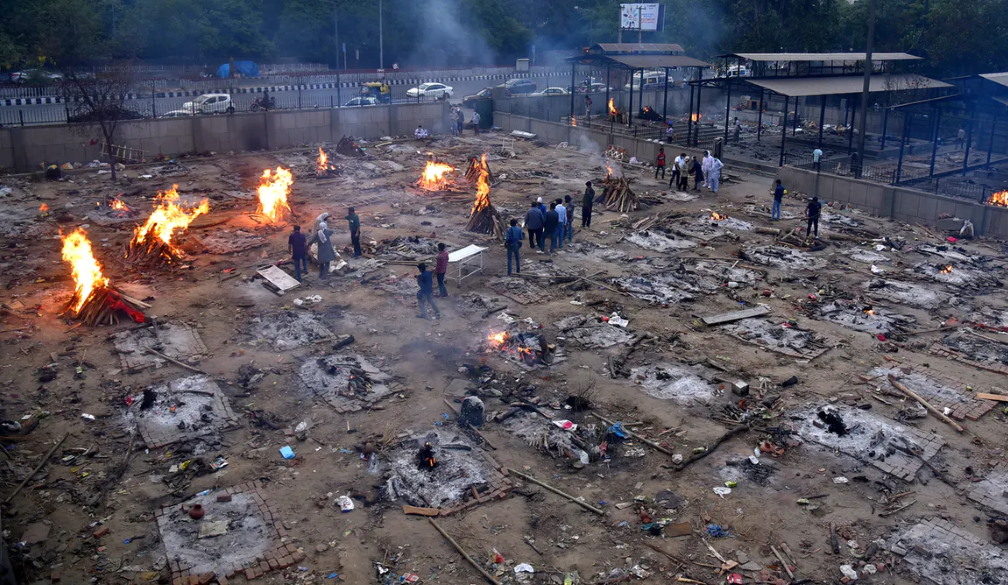
The Australian Human Rights Commission has declared the government’s travel ban on Australians returning from India, including criminal sanctions, “raises serious human rights concerns”.
In a strong statement at the weekend the commission said it held “deep concerns about these extraordinary new restrictions on Australians returning to Australia from India”.
It called on the government to show the measures were “not discriminatory” and were “the only suitable way of dealing with the threat to public health”.
The commission also urged the senate committee on COVID-19 to review the restrictions immediately, and said it was approaching the government directly with its concerns.
Last week the government stopped repatriation and commercial flights from India until at least May 15, and said indirect access was also blocked. After it found there was a loophole through Doha, it took drastic action to close all gaps.
In a statement issued in the early hours of Saturday, the government said all travellers from India would be banned from entering Australia if they had been in that country within 14 days of their intended arrival date in Australia, and anyone who breached the provision could face a large fine, imprisonment for five years, or both.
The government is acting under the Biosecurity Act.
Health Minister Greg Hunt said it was “critical the integrity of the Australian public health and quarantine systems is protected and the number of COVID-19 cases in quarantine facilities is reduced to a manageable level”.
Foreign Minister Marise Payne said the temporary pause on returns from India under the Biosecurity Act was ‘entirely founded" in the advice of the Chief Medical Officer.
She said in the month before the decision on Indian returnees 57% of the COVID positive cases in quarantine were in arrivals from India, up from 10% the month before that.
This was “placing a very, very significant burden on health and medical services in the states and territories and through the quarantine program.”
But she flatly denied this proved the government did not have confidence in the quarantine system, and rejected any suggestion of racism.
The chair of the senate COVID committee, Labor’s Katy Gallagher, said on Sunday she would be looking to schedule a hearing on the matter as soon as the committee could do so.
Meanwhile a poll done by the Lowy Institute and released on Monday found that in the second half of March – before the issue with returnees from India blew up – nearly six in ten people (59%) believed the federal government had done the right amount in helping Australians overseas return home. A third (33%) said the government had not done enough.
The Lowy COVIDpoll, with a sample of 2222 people, is part of the Lowy annual survey of Australian attitudes to the world.
Australians were divided over how much freedom they should have to travel abroad.
The poll found 41% agreed that only Australians granted special exemptions should be allowed to leave, which is the current policy. But 40% said those who had been vaccinated should be allowed to leave. Only 18% believed all Australians should be free to travel.
People overwhelmingly (95%) said Australia had handled COVID well.










