
A code to ease border restrictions for boarders
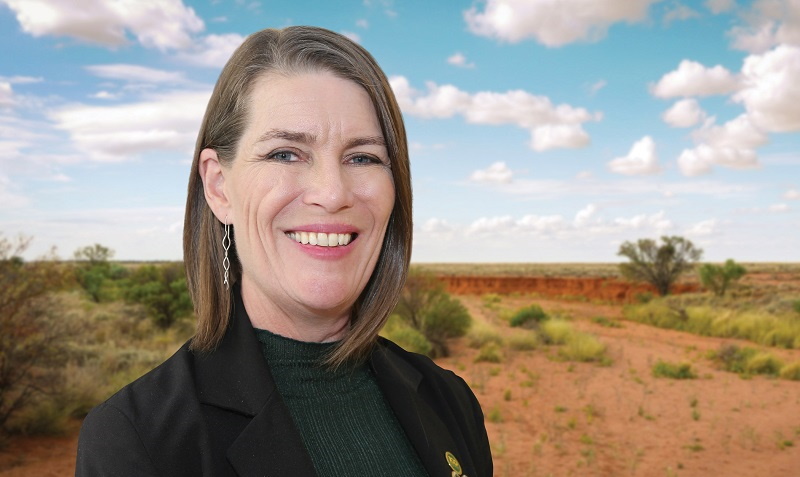
After working with isolated students and families on border issues for over a year, Senator Perin Davey welcomed the endorsement by National Cabinet of a National Code to support the COVID safe travel needs of boarding school students.
“This agreement comes just as families are preparing for school holidays and considering what term four would look like for their children,” Senator Davey said.
“This has been a long time coming for the families who have been facing uncertainty for the last 12 months and ever-changing rules and exemption requirements.
“The Delta variant has been a game changer. In the past, once the immediate lockdown eased there was a hope it would not happen again. Delta has shown you should prepare for the worst and hope for the best.”
The National Code for Boarding School Students provides states and territories with principles to develop a consistent, national approach to help boarding students and their families travel across intrastate and interstate borders during school holidays and throughout school terms.
“Everyone has had to contend with a lot of uncertainty due restrictions on travel within states, let alone travel across state and territory borders,” Senator Davey said.
“But these travel restrictions have left some students effectively stranded with no means of being able to return to their families, adding to the pressure and uncertainty they’ve been experiencing.
“The mental wellbeing and resilience of these students has been seriously tested and unfortunately, I know some students who have decided to withdraw from school rather than face continued uncertainty.
“This decision recognises the unique circumstances of boarding school students, their families and of boarding schools and their staff.
“Full credit must also be given to the Isolated Children’s Parents’ Association and the Australian Boarding Schools Association who have been supporting students and families through the entire pandemic.”
Minister for Regionalisation, Regional Communications and Regional Education Senator Bridget McKenzie welcomed the adoption of a national code to support boarding students.
“Boarding students need to move safely and efficiently between their schools and homes,” Minister McKenzie said.
“While border closures and intrastate travel restrictions have helped control the spread of COVID 19, it has unintentionally left many boarding students isolated and unable to receive the support and care of family that they need, which has had a dreadful impact on their mental health and wellbeing.
“Today’s decision is a win for common-sense. The National Code takes a clear, compassionate and practical approach to supporting COVID-safe travel by boarding school students and their families.”
There are approximately 23,000 boarding school students throughout Australia. Normally, about 1,600 students around Australia would be crossing a state or territory border to return home from their boarding school.
Jurisdictions will be responsible for implementing the Code in line with the relevant health advice.