


Fast Food Is Called “Sometimes Food” For Children. There Is A Reason For That
- Written by: The Times
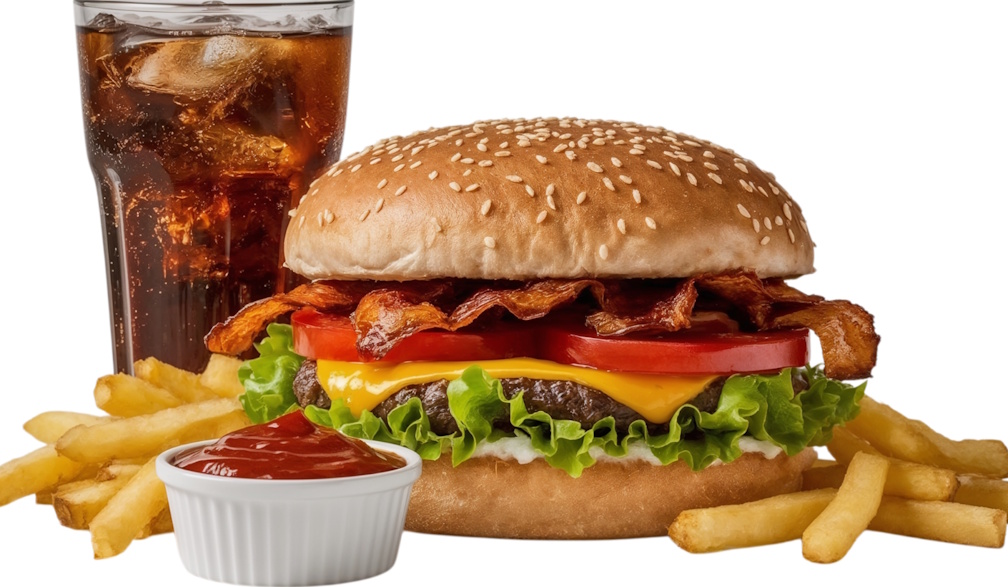
For generations, parents were told that fast food should be “sometimes food” for children rather than everyday nutrition. It sounded harmless enough, almost playful, as though burgers, fries and soft drinks belonged in the same category as birthday cake or ice cream. But behind that phrase sits a very serious health warning.
The modern fast food industry has mastered convenience, flavour engineering and affordability. A family can feed several children in minutes without cooking, washing dishes or spending large amounts of money. The advertising is colourful, the portions are large, the toys are attractive and the products are designed to taste intensely satisfying.
The problem is that many fast foods are loaded with excessive sugar, high sodium levels, unhealthy fats and enormous calorie counts while offering comparatively little nutritional value. Eaten occasionally, the body can usually cope. Eaten repeatedly over years, the consequences begin to emerge slowly and often silently.
That is why nutritionists, doctors and health authorities continue to warn that “sometimes food” was never intended to mean “most days of the week”.
Sugar: The Hidden Danger In Modern Food
When people think about sugar, they often picture chocolate bars or desserts. In reality, sugar has become deeply embedded across the entire fast food and beverage industry.
Soft drinks remain one of the biggest contributors. A single large soft drink can contain astonishing amounts of sugar, sometimes equivalent to more than a dozen teaspoons. Energy drinks can be even worse. Sweetened milk beverages, thickshakes and flavoured coffees often contain sugar levels similar to confectionery.
Children and teenagers consuming these drinks regularly are exposing their bodies to repeated blood sugar spikes. Over time, this pattern has been associated with obesity, type 2 diabetes, fatty liver disease and dental decay.
The issue is not merely weight gain. Excess sugar affects how the body processes insulin. The pancreas works harder. Fat storage increases. Hunger signals become distorted. People often feel hungry again soon after eating high-sugar foods, creating a cycle of overconsumption.
Even products marketed as “healthy” can contain substantial sugar loads. Some fast food yoghurts, breakfast items and sauces contain more sugar than consumers realise. Tomato sauce, barbecue sauce and sweet buns add hidden sugars to meals that people may not mentally classify as sugary.
Children are especially vulnerable because taste preferences form early in life. Constant exposure to heavily sweetened foods can make ordinary healthy food seem bland by comparison.
Sodium: Australians Consume More Than They Think
Sodium is essential for human survival, but modern diets frequently contain far more than the body requires.
Fast food meals are among the biggest contributors to excessive sodium intake. Fries are salted heavily. Processed meats contain large sodium levels for preservation and flavour enhancement. Sauces, cheese slices, burger patties and fried coatings all add more salt.
Many Australians consume sodium well above recommended daily guidelines without realising it.
Excess sodium intake has been associated with high blood pressure, cardiovascular disease, stroke risk and kidney strain. High blood pressure itself is often called the “silent killer” because many people do not know they have it until significant damage has already occurred.
A single fast food meal can account for a massive percentage of a recommended daily sodium intake. Add a soft drink and dessert, and the meal may also contain extraordinary sugar and calorie levels simultaneously.
This combination places stress on multiple body systems at once.
Children raised on high-salt foods can also become conditioned to expect extreme flavour intensity. Fresh vegetables, lean proteins and lightly seasoned meals may seem unappealing compared with highly processed alternatives engineered for maximum taste impact.
Good Fats And Bad Fats
Not all fats are harmful. In fact, the human body requires healthy fats for hormone production, brain function and cellular health.
Good fats are commonly found in foods such as fish, nuts, olive oil and avocado. These fats can support heart health when consumed sensibly.
The issue lies with excessive saturated fats and trans fats commonly associated with processed and fried foods.
A typical fast food hamburger with cheese often contains several ingredients contributing substantial saturated fat levels:
-
Fatty beef mince
-
Processed cheese
-
Fried oils
-
Mayonnaise-based sauces
-
Buttered buns
-
Bacon additions
Cheese itself is not inherently dangerous. Beef is not inherently dangerous either. The problem is quantity, frequency and processing.
A heavily processed burger meal may contain large amounts of saturated fat alongside high sodium and sugar intake. Add fries cooked in oil and a sugary drink, and the nutritional profile becomes far more concerning.
Excessive saturated fat intake over long periods has been associated with elevated cholesterol levels and increased cardiovascular disease risk in susceptible individuals.
The challenge is that fast food is designed to be hyper-palatable. Fat, salt and sugar together create powerful reward responses in the brain. That combination encourages repeat consumption.
Portion Sizes Have Changed Dramatically
Another issue is that portion sizes have expanded significantly over recent decades.
What was once considered a large meal can now appear normal or even modest. Soft drink cups have increased in size. Fries are served in oversized portions. Double and triple burgers have become standard menu items.
People often consume far more calories than they realise because large servings have become normalised.
Children growing up with these portion expectations may struggle later in life to understand what a balanced meal actually looks like.
Convenience Versus Long-Term Health
Fast food is not evil. That is an important distinction.
Busy parents sometimes rely on it because life is demanding. Workers on tight schedules may find it convenient and affordable. Travellers use it because it is accessible everywhere.
The issue is not occasional use. The concern is routine dependence.
The body can tolerate many things temporarily. Human biology is remarkably resilient. But the body also remembers years of repeated exposure to unhealthy dietary patterns.
Heart disease develops over decades. Arteries narrow gradually. Weight gain accumulates slowly. Type 2 diabetes usually does not appear overnight.
That delayed consequence is precisely why dangerous dietary habits become socially acceptable. Unlike touching a live power line or stepping into speeding traffic, unhealthy food rarely causes immediate visible harm.
The damage is gradual.
The Fast Food Industry And Consumer Responsibility
Fast food companies operate businesses designed to maximise sales. They respond to consumer demand and shareholder expectations. Increasingly, some chains offer healthier alternatives, lower sugar beverages and nutritional information.
But responsibility ultimately also rests with consumers and families.
Reading nutritional labels matters. Understanding ingredients matters. Moderation matters.
Parents who teach children that fast food is an occasional treat rather than a daily expectation are often giving them an important long-term health advantage.
Cooking at home more frequently can dramatically reduce sodium, sugar and unhealthy fat intake. Simple meals using fresh ingredients often contain fewer additives and provide better nutritional balance.
The Real Meaning Of “Sometimes Food”
The phrase “sometimes food” was never meant as a slogan without substance.
It was a warning wrapped in gentle language.
Walking into heavy traffic is dangerous because the consequences are immediate and visible. People instinctively avoid obvious threats that could kill them today.
Too much fast food is different. The danger arrives slowly. A burger today will not usually cause a heart attack tonight. A soft drink this afternoon will not immediately destroy a person’s health.
That delayed consequence creates a false sense of safety.
But time is the issue.
Years of excessive sugar, sodium and unhealthy fat intake slowly accumulate. Arteries do not clog overnight. Obesity does not develop in a week. Heart disease, diabetes and hypertension usually emerge after long periods of dietary stress.
One day, the fatty foods catch up.
And by then, many people wish they had listened more carefully to the idea that fast food was only ever meant to be “sometimes food.”









