Why do I have hay fever? I didn’t have it as a child
- Written by: Janet Davies, Respiratory Allergy Stream Co-chair, National Allergy Centre of Excellence; Professor and Head, Allergy Research Group, Queensland University of Technology
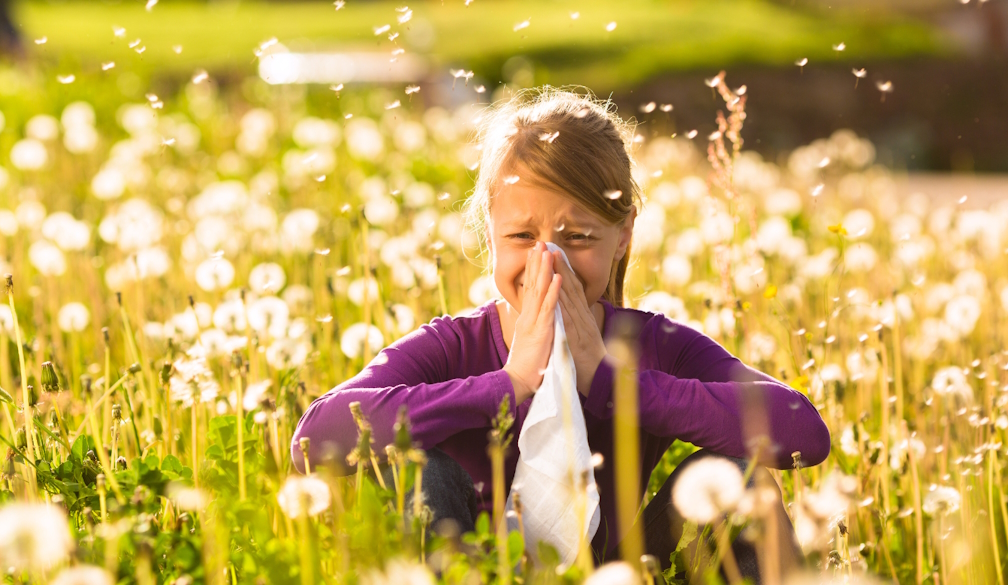
Hay fever (or allergic rhinitis) is a long-term inflammatory condition that’s incredibly common. It affects about one-quarter[1] of Australians.
Symptoms vary but can include[2] sneezing, itchy eyes and a runny or blocked nose. Hay fever can also contribute to sinus and ear infections, snoring, poor sleep and asthma, as well as lower performance at school or work.
But many people didn’t have hay fever as a child, and only develop symptoms as a teenager or adult.
Here’s how a combination of genetics, hormones and the environment can lead to people developing hay fever later in life.
Remind me, what is hay fever?
Hay fever is caused by the nose, eyes and throat coming into contact with a substance to which a person is allergic, known as an allergen.
Common sources of outside allergens include airborne grass, weed or tree pollen, and mould spores. Pollen allergens can be carried indoors on clothes, and through open windows and doors.
Depending on where you live, you may be exposed to a range of pollen types across the pollen season, but grass pollen is the most common trigger of hay fever. In some regions[3] the grass pollen season can extend from spring well into summer and autumn.
How does hay fever start?
Hay fever symptoms most commonly start in adolescence or young adulthood. One study[4] found 7% of children aged six had hay fever, but that grew to 44% of adults aged 24.
Before anyone has hay fever symptoms, their immune system has already been “sensitised” to specific allergens, often allergens of grass pollen. Exposure to these allergens means their immune system has made a particular type of antibody (known as IgE) against them.
During repeated or prolonged exposure to an allergen source such as pollen, a person’s immune system may start to respond to another part of the same allergen, or another allergen within the pollen. Over time, these new allergic sensitisations can lead to development of hay fever[5] and possibly other conditions, such as allergic asthma.

Why do some people only develop hay fever as an adult?
1. Environmental factors
Some people develop hay fever as an adult simply because they’ve had more time to become sensitised to specific allergens.
Migration or moving to a new location can also change someone’s risk of developing hay fever. This may be due to exposure to different pollens[7], climate and weather[8], green space and/or[9] air quality factors.
A number of studies show[10] people who have migrated from low- and middle-income countries to higher-income countries may be at a higher risk of developing hay fever. This may due to local environmental conditions influencing expression of genes that regulate the immune system.
2. Hormonal factors
Hormonal changes[11] at puberty may also help drive the onset of hay fever. This may relate to sex hormones, such as oestrogen and progesterone, affecting[12] histamine levels, immune regulation, and the response of cells in the lining of the nose and lower airways.
3. Genetic factors
Our genes[13] underpin our risk[14] of hay fever, and whether this and other related allergic disease persists.
For instance, babies with the skin condition eczema (known as atopic dermatitis) have a three times greater risk[15] of developing hay fever (and asthma) later in life.
Having a food allergy in childhood is also a risk factor for developing hay fever later in life. In the case of a peanut allergy, that risk is more than 2.5 times greater[16].
What are the best options for treatment?
Depending on where you live, avoiding allergen exposures can be difficult. But pollen count forecasts[17], if available, can be useful. These can help you decide whether it’s best to stay inside to reduce your pollen exposure, or to take preventative medications.
You may also find alerts on thunderstorm asthma[18], where pollens combine with specific weather conditions to trigger breathing difficulties[19].
If you have mild, occasional hay fever symptoms, you can take non-drowsy antihistamines, which you can buy at the pharmacy.
However, for more severe or persistent symptoms, intranasal steroid sprays, or an intranasal spray containing a steroid with antihistamine, are the most effective treatments[20]. However, it is important to use these regularly and correctly[21].
Allergen immunotherapy, also known as desensitisation, is an effective treatment[22] for people with severe hay fever symptoms that can reduce the need for medication and avoiding allergens.
However, it involves a longer treatment course (about three years), usually with the supervision of an allergy or immunology specialist.
When should people see their doctor?
It is important to treat hay fever, because symptoms can significantly affect a person’s quality of life[23]. A GP can:
-
recommend treatments for hay fever and can guide you to use them correctly
-
organise blood tests to confirm which allergen sensitisations (if any) are present, and whether these correlate with your symptoms
-
screen for asthma, which commonly exists with hay fever, and may require other treatments
-
arrange referrals to allergy or immunology specialists, if needed, for other tests, such as allergen skin prick testing, or to consider allergen immunotherapy[24] if symptoms are severe.
More information about hay fever is available from the Australasian Society of Clinical Immunology and Allergy[25] and Allergy & Anaphylaxis Australia[26].
References
- ^ one-quarter (www.abs.gov.au)
- ^ can include (www.allergy.org.au)
- ^ some regions (www.sciencedirect.com)
- ^ One study (dx.doi.org)
- ^ hay fever (www.jacionline.org)
- ^ winyuu/Shutterstock (www.shutterstock.com)
- ^ pollens (www.sciencedirect.com)
- ^ climate and weather (www.sciencedirect.com)
- ^ and/or (onlinelibrary.wiley.com)
- ^ show (journals.plos.org)
- ^ Hormonal changes (dx.doi.org)
- ^ affecting (www.ncbi.nlm.nih.gov)
- ^ Our genes (www.nature.com)
- ^ our risk (www.ncbi.nlm.nih.gov)
- ^ three times greater risk (www.annallergy.org)
- ^ 2.5 times greater (pubmed.ncbi.nlm.nih.gov)
- ^ pollen count forecasts (auspollen.edu.au)
- ^ alerts on thunderstorm asthma (www.health.vic.gov.au)
- ^ breathing difficulties (theconversation.com)
- ^ most effective treatments (theconversation.com)
- ^ regularly and correctly (allergyfacts.org.au)
- ^ effective treatment (onlinelibrary.wiley.com)
- ^ person’s quality of life (bmjopen.bmj.com)
- ^ allergen immunotherapy (www.allergy.org.au)
- ^ Australasian Society of Clinical Immunology and Allergy (www.allergy.org.au)
- ^ Allergy & Anaphylaxis Australia (allergyfacts.org.au)
Read more https://theconversation.com/why-do-i-have-hay-fever-i-didnt-have-it-as-a-child-239409