Mosquito-borne diseases are on the rise. Here’s how collecting mozzies in your backyard can help science
- Written by: Cameron Webb, Clinical Associate Professor and Principal Hospital Scientist, University of Sydney
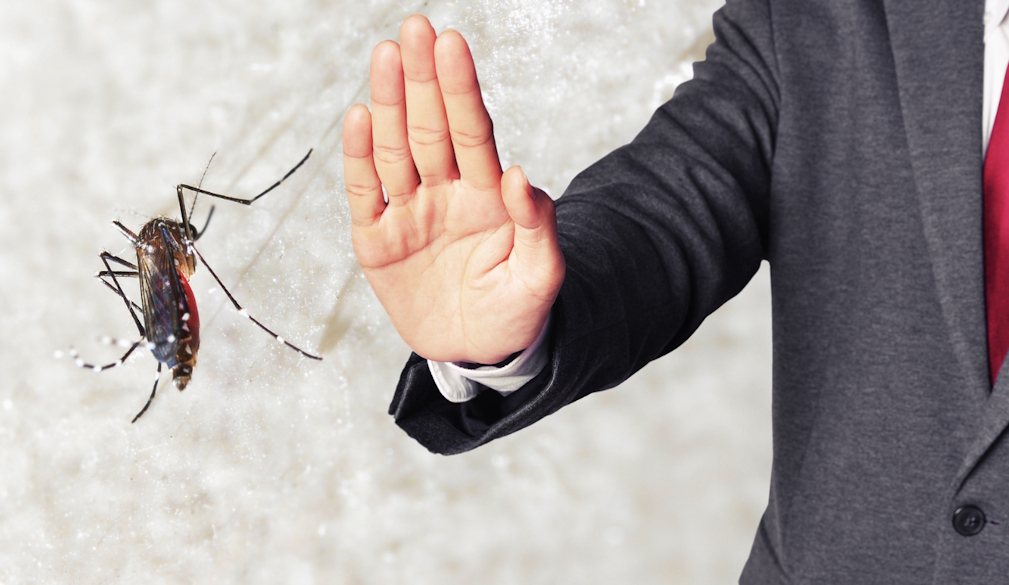
Warm weather is here and mosquitoes are on the rise in Australia. Unseasonably large swarms are causing problems in some parts of Sydney already[1].
Health authorities track mosquitoes across the country[2] to provide an early warning of mosquito-borne disease risk, but they can’t be everywhere. Citizen scientists can step in to help – with excellent success.
Our latest research[3] explored the value of an Australian program called Mozzie Monitors, not just as a surveillance tool but an educational one too.
Citizen scientists are everywhere
Citizen science[4] – when non-scientists help scientists collect data – has become a powerful tool in environmental research[5]. With appropriate training, the community can contribute to scientific discoveries alongside professional scientists.
By combining citizen science data with professionally collected data, everyone benefits[6]. With a greater quantity of reliable data, authorities are more informed when making decisions about environmental protections[7], wildlife conservation[8] and human health[9].
People are often drawn to “charismatic” wildlife[10] such as cute mammals, birds or frogs. But our project shows that helping scientists track mosquitoes can improve community understanding of these pesky insects and the public health risks they bring.
Mosquitoes and mosquito-borne disease in Australia
There are hundreds of types of mosquitoes in Australia[11]. Only a dozen or so[12] pose pest and public health risks – but these risks are serious.
Ross River virus[13] infects around 5,000 people every year. The disease it causes isn’t fatal but can be debilitating. There are other viruses spread by mosquitoes that, while very rare, can be deadly[14].
There are limited opportunities for mosquito control[15]. To prevent disease, raising awareness of mosquito risk and avoiding being bitten[16] are key strategies[17].
To provide an early warning of elevated public health risks, most state and territory health authorities monitor mosquito and virus activity[18]. But they can only operate so many mosquito traps each season, leading to gaps in coverage.
This is where citizen scientists come in.
What’s the Mozzie Monitors program?
Scientists at the University of South Australia started Mozzie Monitors[19] in 2018 to offer an innovative approach to mosquito monitoring. It collects valuable data on mosquito populations and provides participants with useful knowledge.
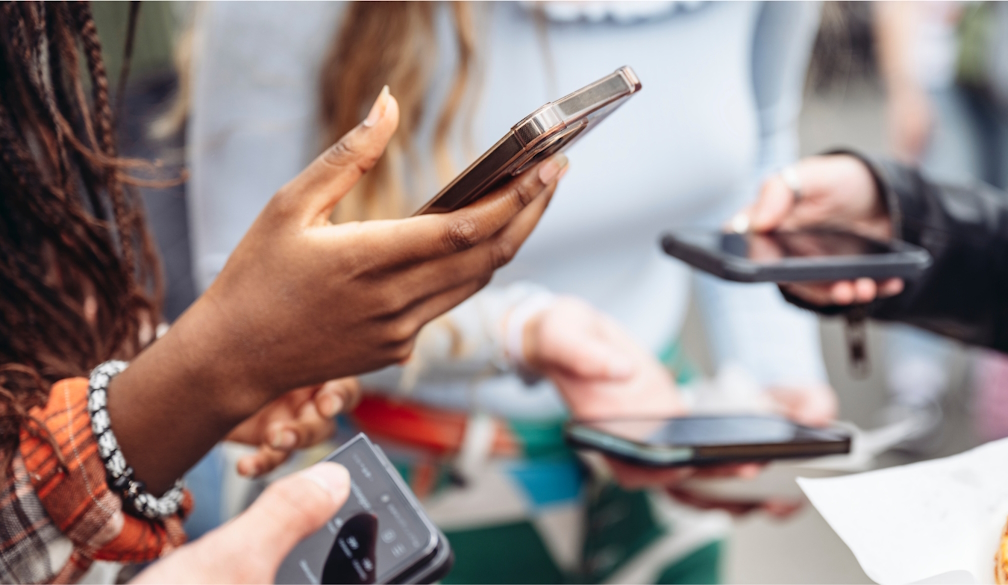
Participants use low-cost mosquito traps[20] in their backyards to capture mosquitoes. They photograph the collections and send them to researchers for identification.
Citizen scientists also contribute observations through the existing online platform iNaturalist[21]. The beauty of tapping into this platform is that it captures observations by both active participants and casual citizen scientists.
More than 200 people have participated in Mozzie Monitors to date, capturing more than 15,000 mosquitoes and uploading some 8,000 photographs online[22].
It’s already been shown to be a cost-effective complement to traditional mosquito monitoring programs[23] in Australia. This approach has also been adapted overseas[24].
Monitoring mosquitoes and picking up knowledge
We compared data collection by Mozzie Monitors participants in South Australia and Western Australia. There were differences in both the types of mosquitoes collected and their numbers.
While the Australian backyard mosquito (Aedes notoscriptus[25]) and the southern house mosquito (Culex quinquefasciatus[26]) were the most common across both areas, the citizen scientist data also provided insights into the coastal wetland mosquitoes unique to each area.
Mosquito collections were just the start.
We surveyed 26 people about their experience participating in Mozzie Monitors. Their mosquito identification and technical skills significantly improved while taking part in the program. They successfully learned to identify the most common mosquitoes in their backyards while improving their photography skills.
For scientists who received the data, better photos resulted in better specimen identification.
Perhaps most importantly, the study highlighted behavioural changes in citizen scientists that will have public health benefits for themselves, their families and neighbours.
Before their participation in Mozzie Monitors, the citizen scientists we surveyed stopped mosquito bites around their properties only by using insect screens. After participating in the program, they were more likely to check their backyards for mosquitoes and eliminate their source (for example, by tipping out water-filled containers).
This change in attitude highlights the program’s power to translate knowledge and skills into actions that can protect participants, and their households, from the health risks of mosquitoes.
Participants had a range of motivations for joining the program. Many were driven by concerns about nuisance or mosquito-borne diseases, while others were motivated by a general interest in science and volunteering.
They appreciated the program’s ease of participation and the opportunity to contribute to valuable research. They also reported improved understanding of mosquito species.
Seen mosquitoes around your home?
Mozzie Monitors shows how citizen science can empower communities to identify common local mosquito species, understand their impact on human health, and take proactive measures to avoid mosquito-borne disease.
By combining knowledge, technical skills and action, the program helps safeguard local communities from the health threats of mosquitoes.
If you’re noticing more mosquitoes around your home, consider sharing photos with scientists by uploading them to iNaturalist[27]. This database makes scientific observations freely available to all. Identifying mosquito species helps us better understand disease risks and nuisance biting, enabling more effective prevention and control efforts.
Mosquitoes may not be the most charismatic of Australia’s wildlife. But by participating in citizen science projects such as Mozzie Monitors, learning about these pests may be the secret to keeping your family safe from their bites this summer.
References
- ^ causing problems in some parts of Sydney already (www.smh.com.au)
- ^ track mosquitoes across the country (theconversation.com)
- ^ latest research (doi.org)
- ^ Citizen science (citizenscience.org.au)
- ^ a powerful tool in environmental research (academic.oup.com)
- ^ everyone benefits (theconversation.com)
- ^ environmental protections (www.desi.qld.gov.au)
- ^ wildlife conservation (www.abc.net.au)
- ^ human health (researchinvolvement.biomedcentral.com)
- ^ “charismatic” wildlife (australian.museum)
- ^ hundreds of types of mosquitoes in Australia (www.publish.csiro.au)
- ^ dozen or so (journals.plos.org)
- ^ Ross River virus (journals.plos.org)
- ^ while very rare, can be deadly (theconversation.com)
- ^ limited opportunities for mosquito control (onlinelibrary.wiley.com)
- ^ avoiding being bitten (theconversation.com)
- ^ key strategies (www.frontiersin.org)
- ^ monitor mosquito and virus activity (www.health.vic.gov.au)
- ^ Mozzie Monitors (theconversation.com)
- ^ low-cost mosquito traps (onlinelibrary.wiley.com)
- ^ iNaturalist (www.inaturalist.org)
- ^ 8,000 photographs online (www.inaturalist.org)
- ^ complement to traditional mosquito monitoring programs (www.sciencedirect.com)
- ^ also been adapted overseas (bioone.org)
- ^ Aedes notoscriptus (www.inaturalist.org)
- ^ Culex quinquefasciatus (www.inaturalist.org)
- ^ iNaturalist (www.inaturalist.org)