A local dentist, a wider team: how the Oasis Dental model works
- Written by: Greg Rogers, editor of The Times Australia
A visit to the dentist usually begins with a local relationship. We choose a surgery, get to know the people who work there and return for examinations, treatment and ongoing care.
The needs of a patient can change. Routine maintenance may eventually be accompanied by a damaged tooth, gum problems, a missing tooth or a more involved treatment decision. At that point, the breadth of experience available through a practice becomes particularly relevant.
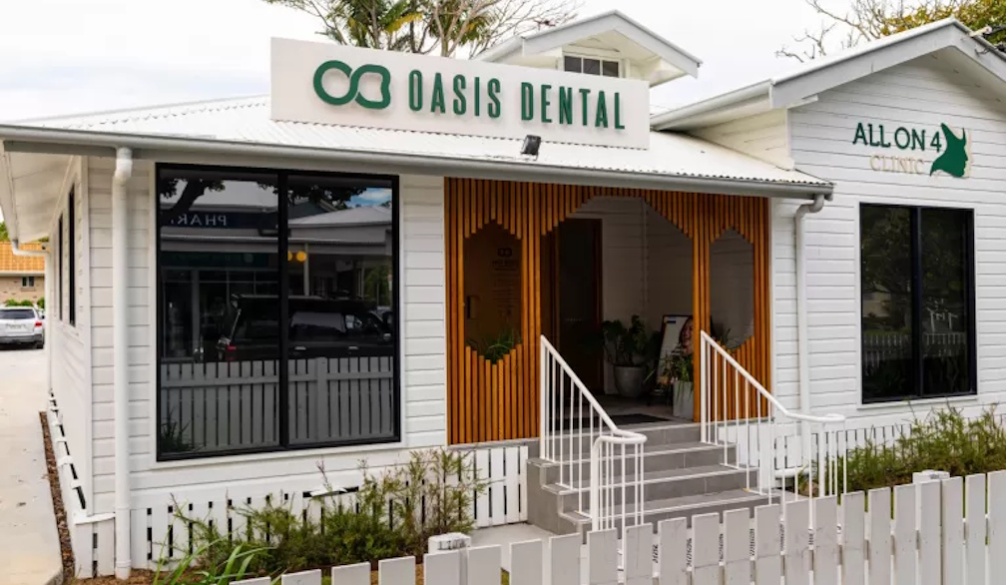
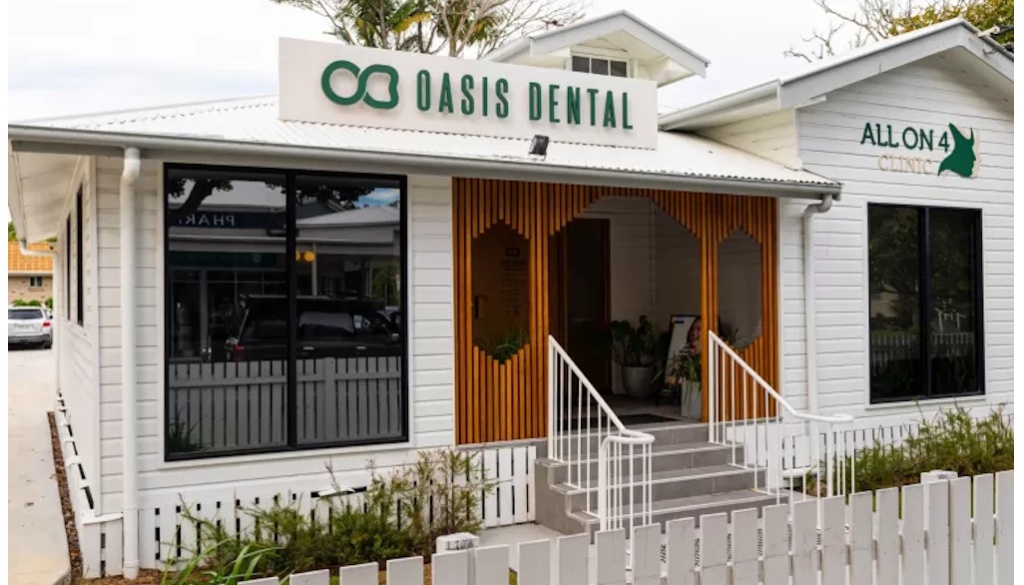
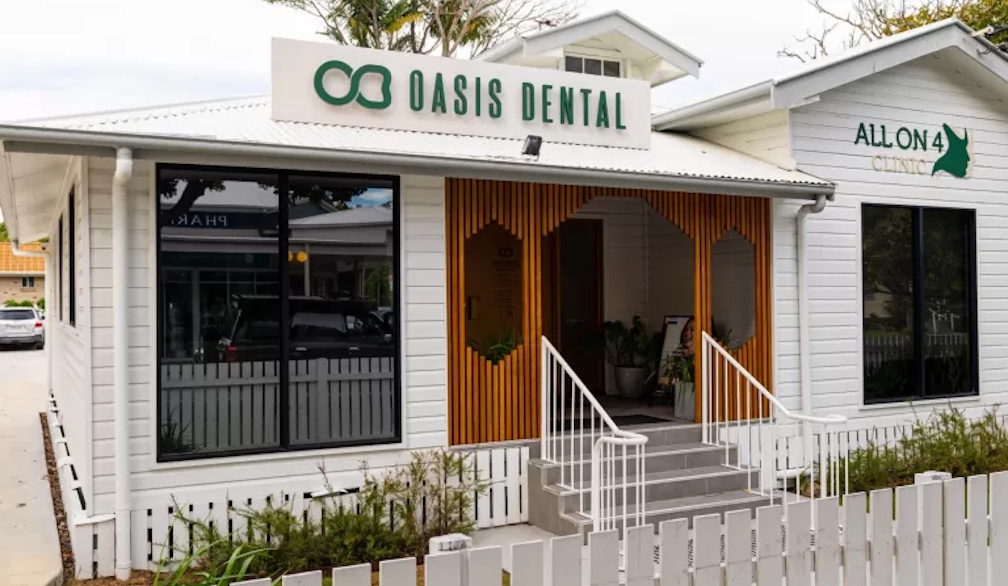
As a patient of Oasis Dental Studio Pottsville, I find the organisation of a dental group an interesting subject in its own right. It offers a useful example of how a local surgery can form part of a wider network of practitioners with different skills.
Angie and her colleagues at reception are always welcoming and willing to help.
"My clinical experience as a patient has been with Dr. Trevor Pinchin, Dr. Nick Chung, Courtney Brown and her dental nurse Tahina, all of whom shared information with me, offered advice and allowed me to make informed choices. Once decisions were made, the practice flawlessly made things happen. I could not ask for more than that."
Oasis lists seven locations across the Gold Coast, Brisbane, Northern New South Wales and Melbourne. Pottsville is therefore both a local dental practice and part of a larger clinical group.
The potential benefit for patients is access to a broader pool of experience while retaining a familiar local starting point for care.
Dentistry covers a wide range of work. General examinations, preventive care, fillings, root canal treatment, crowns, implants and treatments to straighten teeth involve different techniques and levels of complexity.
Many general dentists provide several of these services. However, no patient should assume that every dentist has identical training, experience or interests in every procedure.
A practitioner who regularly undertakes implant work may have a different clinical focus from a colleague whose work centres on family dentistry, restorative care or tooth alignment. Bringing those capabilities together creates opportunities to match a patient’s needs with an appropriately experienced practitioner.
Pottsville illustrates that breadth. The surgery’s published team includes several dentists and an oral health therapist. Its principal is Dr David Ashford, and its advertised services include general and children’s dentistry, dental implants and Invisalign treatment.
One member of the Pottsville team, Dr Trevor Pinchin, has undertaken additional implant training, including a two-year dental implant residency in Canada. His published profile also describes further training in cosmetic dentistry, oral surgery and orthodontics.
"These differences in professional development help explain the value of a team. Patients may need different kinds of expertise at different stages of their care."
It is also useful to distinguish an area of clinical focus from formal specialist registration. A dentist with additional training or a particular interest in a procedure is not automatically a registered dental specialist. Patients can ask about the qualifications and experience relevant to their proposed treatment.
Across related practices, cooperation can involve discussing a case, seeking another clinical opinion or arranging an appointment with a colleague whose experience suits the patient’s needs.
Access to a group does not mean every practitioner or procedure is available at every surgery on every day. Depending on the clinician and treatment, an appointment may involve another location. The useful question is how the group can coordinate the appropriate care, including any travel and follow-up.
The team also extends beyond dentists.
Dental hygienists focus on preventing and controlling oral disease through clinical care and education. Dental therapists provide assessment, preventive care and certain treatments within their qualifications and scope. Oral health therapists combine training in dental hygiene and dental therapy. Each practitioner’s work depends on their education, competence and scope of practice.
They are registered dental practitioners with their own professional responsibilities. Understanding their roles helps patients understand why different appointments may involve different members of the clinical team.
At Pottsville, Courtney Brown is an oral health therapist. Her profile describes preventive care, examinations and restorative treatments within her scope of practice, for patients of all ages.
Dental assistants and administrative staff have different, equally practical responsibilities. Preparing treatment rooms, supporting clinicians, managing appointments and helping patients navigate the next stage of care all contribute to how a surgery functions.
The coordinated dental practice at Pottsville brings those contributions together around the patient.
Consider a hypothetical patient who attends for routine care and asks about replacing a missing tooth. An assessment may lead to a discussion of several options. If implant treatment is suitable, a practitioner with relevant experience may become involved, followed by continuing preventive care and maintenance.
The patient needs a clear explanation of who will do each part, where it will happen, what it will cost and how follow-up will work.
That is where the group model can offer value: connecting different capabilities through an understandable treatment pathway.
Independent practices can also provide excellent care and maintain strong referral relationships. Having multiple locations does not, by itself, establish better outcomes. The meaningful difference is how effectively the available people and resources work together.
For patients, a progressive dental practice should make that cooperation visible through clear explanations, appropriate referrals and continuity of care.
Pottsville provides a local example of the broader idea: a familiar surgery can be the doorway to a wider range of clinical experience.
The strength of a dental group lies in its ability to bring the right skills to the patient as their needs change.
The author is a patient of Oasis Dental Studio Pottsville.
Further reading
About Oasis Dental Pottsville
The Oasis Dental Studio Pottsville clinic is co-owned and led by Principal Dentist Dr David Ashford, in partnership with the network’s overarching founder, Dr Andrew Firgaira.
How the Partnership Structure Works
• University Origins: Dr Ashford and Dr Firgaira originally became close friends while studying dentistry together at the University of Adelaide. They later teamed up to co-found and build out the expansion locations for the Oasis Dental Studio brand across the region.
• Local Operation: While Dr Firgaira acts as the network's Clinical Director, Dr David Ashford serves as the Principal Dentist and Partner specifically managing the Oasis Dental Studio Pottsville and Palm Beach locations.
Under their shared ownership, the day-to-day clinical team on the ground in Pottsville also includes regular practicing general and cosmetic dentists, such as Dr Thomas Hughes, Dr Natalia Trisna, and Dr Trevor Pinchin.
Oasis Dental Studio operates as a network of modern general and cosmetic dental clinics across the Gold Coast, Northern New South Wales (Pottsville), Brisbane, and Melbourne.
Oasis dental offers
• Oral Health Therapists: Combine the roles of dental hygienists and dental therapists to provide preventative care, clean teeth, and fill cavities for children and young adults.
• Dental Hygienists: Focus on preventive oral health, cleaning teeth, treating gum disease, and educating patients on daily hygiene.
• Dental Therapists: Focus on diagnostic, preventive, and restorative dental care specifically for children and adolescents.
How the Practice Works
• Initial Consultation: Your care starts with a comprehensive check-up and individual assessment where a registered dental practitioner evaluates your oral health, gum condition, and aesthetic goals.
• Personalised Treatment Plans: The team creates custom plans tailored to your specific clinical needs, covering everything from standard preventative care to advanced cosmetic procedures.
• Comfort & Sedation Options: For nervous patients or complex procedures, they provide in-house sleep dentistry and sedation choices to manage anxiety.
• Locations: Regional and metropolitan coverage includes Gold Coast studios (Palm Beach, Broadbeach, Chirn Park, Ferry Road), Northern NSW (Pottsville), Brisbane (West End), and Melbourne.
Key Services Offered
• Cosmetic Dentistry: Porcelain or composite veneers, in-chair and take-home professional teeth whitening, and Invisalign clear aligners.
• Restorative & General Care: Titanium dental implants, routine check-ups and cleans, wisdom teeth management, and children's dentistry.
Payments and Rebates
• Instant Rebates (HICAPS): HICAPS facilities allow you to swipe your private health insurance card at the time of payment to claim your extras rebate immediately, leaving only the remaining gap to pay.
• Preferred Providers: Different studios partner with specific health funds (for example, Pottsville accepts CBHS and HCF; Broadbeach covers BUPA, Medibank, and CBHS; Ferry Road and West End accept all major funds).
• Government Schemes: They accept Department of Veterans' Affairs (DVA) and Child Dental Benefits Schedule (CDBS) funding.