Can Kids Get Skin Cancer?
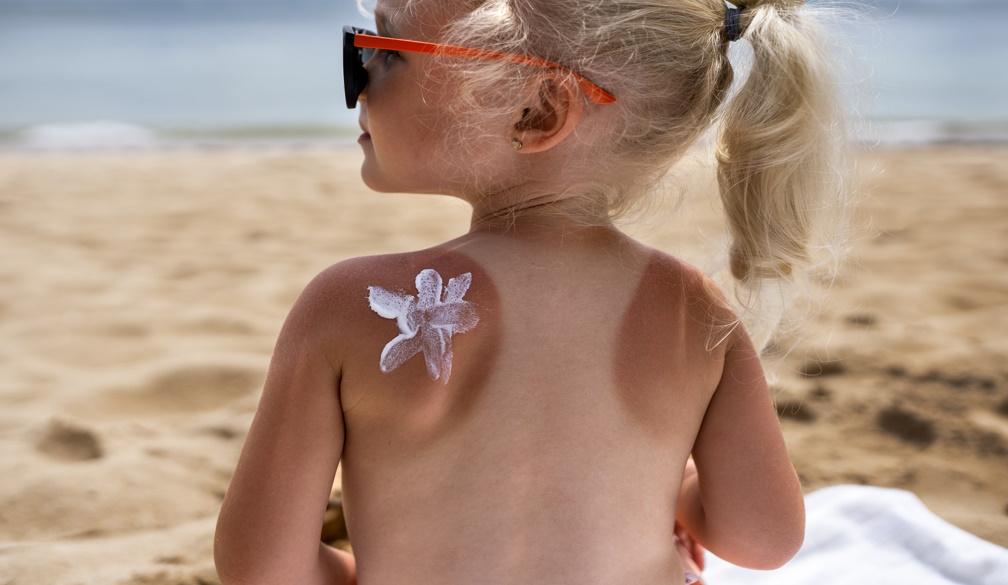
Many people associate skin cancer with adults who have spent years in the sun, but children can develop it, too. While paediatric skin cancer is uncommon, it does occur, and rates have slowly increased over time. Early signs can be subtle and easy to miss, so let us help you recognise unusual moles or marks and understand how you can protect your children’s skin from an early age.
What Causes Skin Cancer in Children?
Skin cancer in children develops for many of the same reasons it does in adults, though it is much rarer. Ultraviolet (UV) radiation from the sun remains the leading cause of damage to skin cells. However, several other factors can also play a role.
- Genetics and inherited conditions such as xeroderma pigmentosum can make skin extremely sensitive to sunlight.
- A weakened immune system, radiation therapy in the past, or certain medications may also increase risk.
- Children with fair skin, light eyes, freckles, or a family history of skin cancer should be monitored closely.
Protecting children’s skin early builds healthy habits that last. Encourage daily use of broad-spectrum sunscreen, lightweight protective clothing, and regular shade breaks during outdoor play. These habits help reduce UV exposure, prevent sunburn, and lower their lifetime risk of developing skin cancer.
Can Sunburn Lead to Skin Cancer in Kids?
A single sunburn will not directly cause skin cancer, but repeated burns increase the damage that builds up in the skin over time. Each episode of sunburn weakens the skin’s ability to repair itself, raising the risk of developing skin cancer later in life.
Because children’s skin is thinner and more sensitive, UV rays penetrate more deeply and cause greater harm in a shorter time. Preventing burns in childhood is one of the simplest ways to protect their skin for years to come.
- Apply broad-spectrum sunscreen before going outside.
- Reapply every two hours.
- Use protective clothing and hats during outdoor play.
Types of Skin Cancer That Can Affect Children
Skin cancer is rare in children, but when it occurs, it usually takes one of three forms.
Basal cell carcinoma (BCC)
This type is uncommon in children and is usually linked to genetic or medical conditions. It may appear as a shiny bump, pale patch, or area that looks like a scar.
Squamous cell carcinoma (SCC)
Also rare in kids, this can appear as a red, scaly patch or sore that does not heal. It often develops on sun-exposed areas such as the face, lips, or ears.
Melanoma
Although less common, melanoma is the most serious type of skin cancer. It can develop on any part of the body and sometimes arises from large or unusual moles. A consultation with Gold Coast melanoma specialists can help confirm whether a spot needs further investigation.
Recognising Early Signs of Skin Cancer in Kids
Monitoring your child’s skin is one of the simplest and most effective ways to catch changes early. Parents can use the ABCDE rule to identify potential concerns: Asymmetry, Border irregularity, Colour variation, Diameter larger than six millimetres, and Evolving shape or size.
Also, keep in mind the SCAN rule: Sore, Changing, Abnormal, or New. Any spot that bleeds, itches, changes colour, or stands out from other marks on your child’s skin should be checked by a professional. While moles can naturally grow as children do, sudden or uneven changes should always be reviewed.
When to See a Doctor
Not every mole or bump is dangerous, but new or unusual spots should not be ignored. Schedule an appointment if you notice:
- A mole that looks different from others on your child’s body.
- A mark that bleeds, crusts, or does not heal.
- A mole that changes colour, grows quickly, or becomes itchy.
If you are unsure, it is always better to have it checked. Go to trusted Gold Coast skin cancer specialists who can use specialised imaging tools to examine your child’s skin carefully and advise whether further testing or treatment is necessary.
Preventing Skin Cancer From a Young Age
Healthy sun habits start early. Children learn from what they see, so encourage sun safety as part of everyday life.
- Apply a broad-spectrum SPF 30 or higher before outdoor play.
- Reapply every two hours, or more often after swimming or sweating.
- Choose UV-protective clothing and wide-brimmed hats.
- Seek shade between 10 am and 3 pm, when UV levels are strongest.
Consistent protection helps prevent sunburns, premature ageing, and long-term damage. By teaching these habits early, you give your child a strong foundation for lifelong skin health.
Stay Proactive About Your Child’s Skin Health
Skin cancer in children is rare, and that is exactly why it is often overlooked. Parents who keep an eye on their child’s skin and notice new or changing spots can help identify problems early, when treatment is most effective.
If you have noticed new or changing marks on your child’s skin or simply want a professional opinion, consult a doctor at a respected Gold Coast skin clinic.