Demystifying the SMP Treatment Process: What to Expect During and After
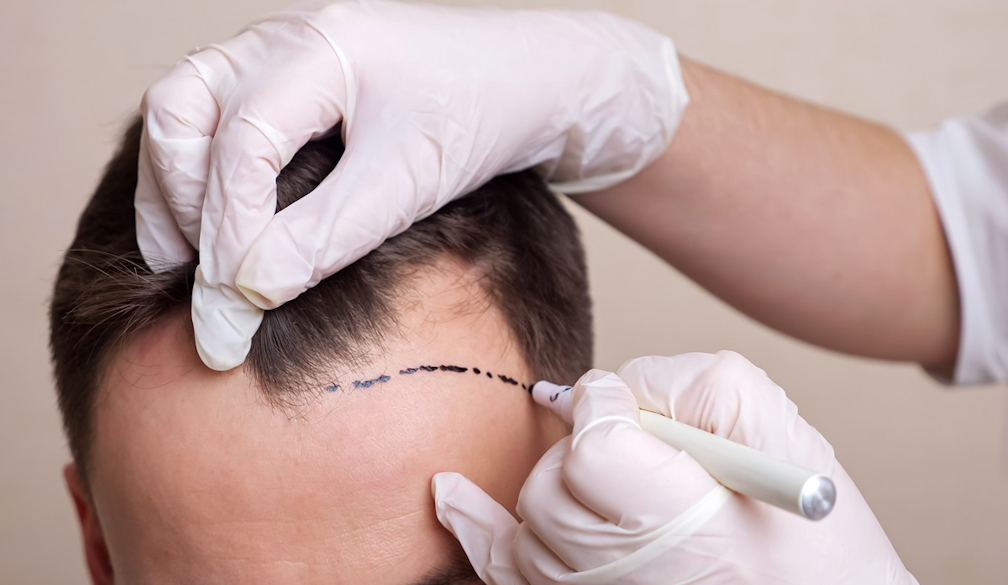
Scalp Micropigmentation, which is also sometimes called hair tattoo or SMP treatment, is much more than what a typical tattooist would deliver. It is a work of art that involves careful placement of colour pigments using an electric needle to replicate the size and shape of your hair follicles. Now, with countless needles going into your scalp, it is essential to know how the process works to ensure you have a seamless experience.
Luckily, we have got all the details here! Below is a step-by-step guide to the SMP procedure, from the initial consultation to the aftercare tips. Stick around to learn more!
Steps Involved in Scalp Micropigmentation Procedure
Step 01 - Initial Consultation
As much as SMP treatment works for most individuals suffering from hair loss problems, it's always a wise idea to book a consultation before getting the procedure. You see, every person has unique needs and requires a personalised approach. Think of it like this- an individual with full-head baldness will require a different approach from someone with a receding hairline.
An initial consultation helps the practitioner understand your hair goals, providing a customised solution that fits your needs, from hair colour to hairline style. It is also the time for the practitioner to give you a set of instructions to follow before the procedure. They include
- Avoid using blood thinners 10 days before the treatment
- Reduce the intake of caffeine
- Avoid sun exposure
- Do not smoke at least 2 hours before the SMP procedure
If you have any underlying condition, this is the perfect time to let your SMP practitioner know. So, no matter how busy your schedule is, set time aside for a consultation.
Step 02 - The Actual Micropigmentation Process
A Scalp Micropigmentation treatment in Melbourne can take 2-5 hours from start to finish, depending on your hair goals. During the session, your skilled practitioner will use a thin electric needle to deposit tiny dots of colour pigments 0.3 to 1.2 mm deep on your scalp. Now, the practitioner will use varying depths and angles to replicate the pattern of your existing hair follicle. How about the pain? Post-clients say that the level of pain on a scale of 10 is 4. You can definitely bear with that.
One SMP session is not enough to get natural-looking and long-lasting results. You will need about three sessions to achieve your hair goals. For a better understanding, let's take a look at what each session involves.
First Session
As mentioned before, SMP treatment relies on colour pigments to create an illusion of hair follicles. That's precisely what the first session is all about. It's used to lay a foundation of follicle replications and create a perfect hairline. After this session, you will notice a full-look appearance. Some fading will also occur, which is why you need to come back for your second season after 10-14 days.
Second and Third Session
Density is the key to getting that natural-looking appearance, and that's what these two sessions aim to acquire. Your practitioner will spend most of the time blending the pigmented areas to create an illusion of thick, full hair that seamlessly blends with your existing hair. You can also ask them to make adjustments to the hairline if needed.
If, during your second session, your practitioner schedules a third session, it's usually because the pigment retention rate has varied, and you need some filling to acquire the right colour pigment shade.
Step 03 - Post Treatment Care
Scalp Micropigmentation is non-invasive; thus, the recovery time is much quicker than other hair treatment options like transplants. A few hours after the procedure, you may experience some scalp redness, which will eventually fade.
It is essential that you follow the aftercare instructions as prescribed by your practitioner. Failing to do so will lead to premature fading or even worse infections. Below is a list of aftercare instructions you should follow.
- Do not wash your scalp during the first 3 days.
- Avoid sun exposure during the first 7-10 days
- Avoid scratching and picking during the healing process
- Avoid vigorous activities as they may lead to sweating, which can irritate your scalp.
Scalp Micropigmentation can yield good results if done professionally. That said, it is important to only let a skilled professional get the job done right. Look at before and after pictures, online reviews and the hair clinic’s reputation to make an informed decision.