


Easy Weekend Plumbing Jobs: Tackle Simple Repairs at Home
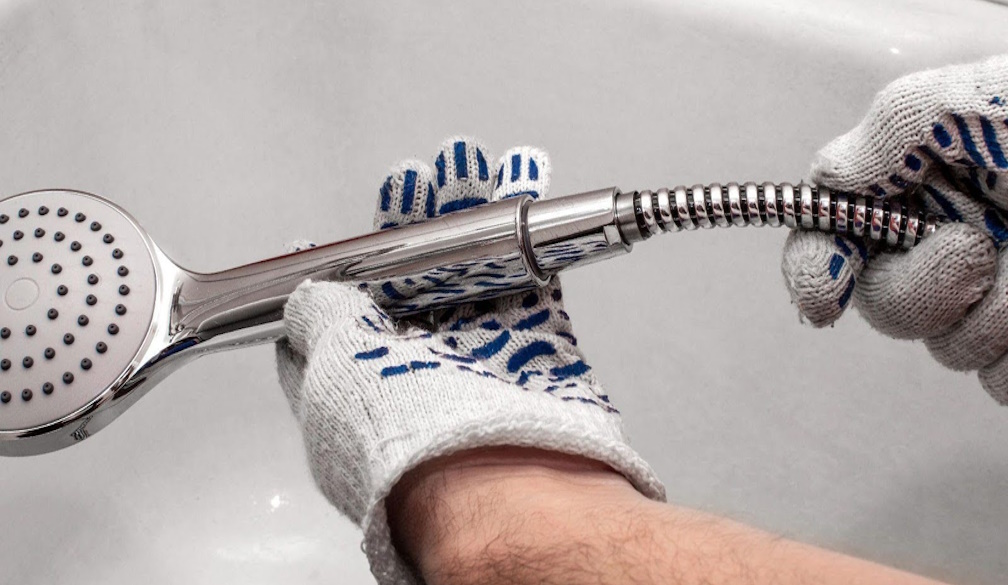
Taking the plunge into DIY plumbing can be both satisfying and economical. For homeowners, acquiring basic plumbing skills saves on costly repairs and equips them with the confidence to handle minor issues that may arise. Specific plumbing jobs can be easily tackled over a weekend with a bit of patience and the right tools. This article explores several straightforward tasks, such as fixing leaky faucets, unclogging drains, troubleshooting toilets, and replacing showerheads, allowing homeowners to maintain their plumbing easily.
Essential Plumbing Tools Every Homeowner Needs
No DIY plumbing job can commence without the correct tools at hand. Essential tools for handling minor repairs include:
Plunger: A must-have for dislodging clogs in toilets, sinks, and showers.
Pipe Wrench: This adjustable wrench is vital for gripping and turning pipes securely, especially during removal or installation tasks.
Plumber’s Tape (also known as Teflon tape): Used to seal threaded pipe joints, preventing leaks in plumbing connections.
These tools empower homeowners to address minor issues and provide a first line of defence against bigger plumbing problems. Purchasing these tools from a local hardware store or renting them from a tool hire service are both viable options. Regular cleaning and correct storage are essential to keep these tools in top condition. Ensure that metal tools are dried thoroughly after use to prevent rust, and occasionally lubricate adjustable wrenches to maintain their functionality.
How to Fix a Leaky Faucet
Worn washers or faulty cartridges often cause leaky faucets. A persistent drip not only wastes water but also increases water bills. Addressing this issue involves:
- Identify the Type: Determine if your faucet is compression, ball, cartridge, or ceramic-disk type.
- Turn Off the Water Supply: Locate and shut off the water valves under the sink.
- Disassemble the Faucet: Remove the handle and unscrew the packing nut. You might need a flathead screwdriver and a pipe wrench here.
- Replace Washer or Cartridge: Swap out the old washer or cartridge, which could be damaged, cracked, or worn.
- Reassemble the Faucet: Reattach the parts, ensuring they are tightened securely.
- Turn the Water Supply Back On: Test the faucet for leaks.
In terms of safety, ensure the water supply is completely off before starting any repairs. If issues persist despite replacing these components, consider consulting a professional plumber. Typically, this task requires basic tools and should take about an hour.
Unclogging Drains: A DIY Approach
Signs of a clogged drain include slow drainage, unpleasant odours, and water backup. To tackle this, homeowners can use several methods:
Plunger: Provides a simple and effective way to clear minor blockages.
Drain Snake: Suitable for breaking apart tough clogs deep in the pipes.
Homemade Solutions: A mixture of baking soda and vinegar can be poured down the drain, followed by hot water, to break down minor blockages.
To prevent future clogs, avoid disposing of grease, hair, and large food particles down the drain. It's also advisable to place strainers over plugholes to catch debris. However, it's time to call a professional if water continues to back up or drains remain blocked.
Toilet Troubleshooting: Quick Fixes
Common toilet troubles often manifest as running toilets or weak flushes. Here’s how to remedy these:
- Running Toilets: Usually caused by a faulty flapper. Inspect the flapper for any wear or misalignment.
- Weak Flush: This can occur if the float is incorrectly set. Adjust the float arm to regulate the water level in the tank.
The primary tools include pliers, adjustable wrenches, and possibly a replacement flapper or float. Safety precautions involve turning off the toilet's water supply before starting any repairs. Sometimes, replacement parts may be needed, especially if worn components are discovered during inspection. If issues persist after trying these fixes, it might be wise to seek professional help.
Replacing a Showerhead: Easy Upgrades
Switching out an old showerhead for a new one can greatly enhance your shower experience with better water pressure and efficiency. The steps involved include:
- Remove the Old Showerhead: Use an adjustable wrench to unscrew the old showerhead from the shower arm.
- Apply Plumber’s Tape: Wrap plumber’s tape clockwise around the threads of the shower arm to ensure a good seal and prevent leaks.
- Install the New Showerhead: Screw the new showerhead onto the shower arm, tightening it by hand.
There are diverse types of showerheads available, from high-efficiency models that reduce water usage to those with adjustable spray patterns for a customised shower experience. It’s crucial to select a showerhead that suits your needs and preferences.
Conclusion: Embracing the DIY Spirit
Embracing DIY plumbing projects is both practical and empowering, providing the knowledge and skills needed to handle minor repairs. With straightforward tasks like fixing leaky faucets, unclogging drains, troubleshooting toilets, and replacing showerheads, homeowners can save significant costs while enhancing the functionality and efficiency of their household plumbing.
Confidence grows with each successful repair, reducing the need for professional services for basic issues. However, when encountering complex or persistent plumbing problems, it’s wise to rely on experienced professionals. Have you tackled any weekend plumbing projects lately? Get all your weekend plumbing supplies in Aspley and start your journey into DIY plumbing with the essentials at your fingertips. Don’t overextend










