Can Australia's Department Stores Survive the Online Shopping Revolution?
- Written by: The Times
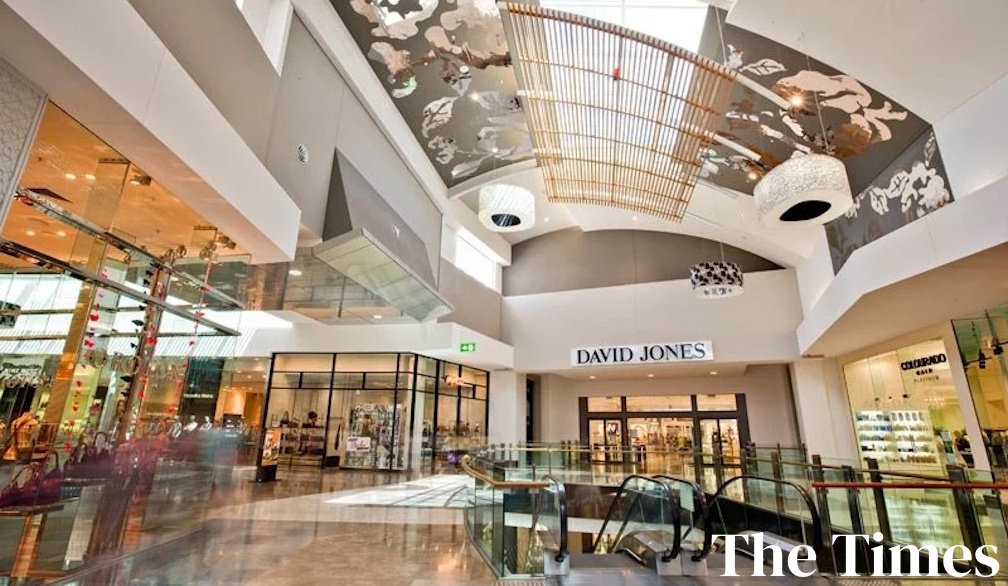
For generations, a trip to Myer or David Jones was part of Australian life. Whether it was buying school uniforms, choosing wedding gifts, shopping for Christmas or simply spending a Saturday afternoon browsing, department stores occupied a unique place in Australian retail.
Today, however, the retail landscape has changed dramatically. Online shopping, international competition and changing consumer habits have forced Australia's largest department stores to rethink their future.
The golden age has passed
Department stores were once the dominant retailers in Australia's major cities. Their strength came from offering almost everything under one roof—fashion, cosmetics, homewares, electrical goods, toys and gifts.
Consumers had few alternatives.
Today, shoppers can compare prices from hundreds of retailers in seconds using a smartphone.
International brands sell directly to Australians, while online marketplaces have made price competition more intense than ever.
What remains their advantage?
Despite these pressures, department stores still offer advantages that online retailers cannot always match.
Customers can:
- Try on clothing before buying.
- Test furniture, bedding and kitchen appliances.
- Receive immediate assistance from knowledgeable staff.
- Take purchases home the same day.
- Enjoy the social experience of shopping.
Beauty products, fragrances and premium fashion also remain categories where many customers still prefer an in-person experience.
Can ecommerce save them?
Ironically, ecommerce may be one of the keys to keeping traditional department stores relevant.
Rather than competing with online retail, Myer and David Jones increasingly need to become online retailers themselves.
Successful modern retail increasingly combines:
- Physical stores.
- Online shopping.
- Click-and-collect services.
- Fast delivery.
- Easy returns.
- Personalised loyalty programs.
Customers increasingly expect to move seamlessly between digital and physical shopping.
The role of the physical store
Rather than serving primarily as warehouses for stock, department stores are evolving into showrooms and experience centres.
A customer may inspect a product in-store before ordering online, or purchase online and collect it within hours from their local store.
This "omnichannel" model allows retailers to serve customers however they prefer to shop.
Competition has never been greater
Department stores now compete against:
- International online retailers.
- Specialist fashion chains.
- Discount retailers.
- Brand-owned websites.
- Marketplace platforms.
- Direct-to-consumer manufacturers.
Every sale is contested.
Consumers have more information, more choice and greater pricing transparency than ever before.
Are department stores still relevant?
The answer appears to be yes—but for different reasons than in the past.
Rather than being the only place to buy a wide range of products, department stores increasingly compete on convenience, trusted brands, customer service and shopping experience.
Those able to combine a strong digital presence with attractive physical stores may continue to play an important role in Australian retail.
Those relying solely on traditional department store models may find the challenge increasingly difficult.
The Times View
Department stores are unlikely to disappear from Australia's retail landscape, but they will continue to evolve. Their future may depend less on the size of their stores and more on the quality of their digital platforms, customer experience and ability to integrate online and in-store shopping.
For consumers, that competition is likely to mean more choice, better service and greater convenience. For retailers, however, the challenge is clear: adapt to changing shopping habits or risk becoming a reminder of how Australians used to shop.