Oil prices surge as conflict resumes: What does it mean for Australia's fuel supply?
- Written by: The Times
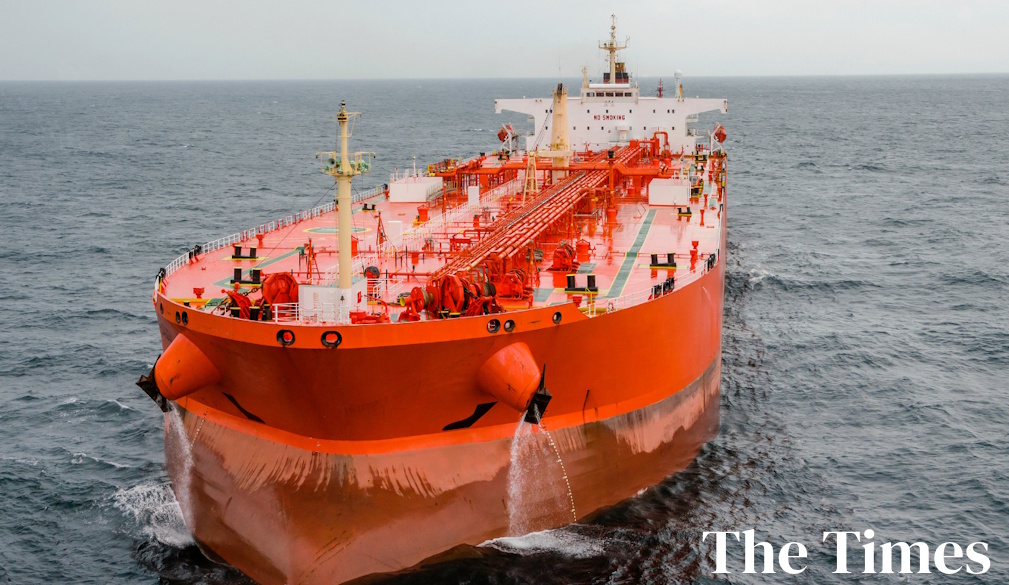
Global oil prices have jumped sharply after renewed fighting in the Middle East reignited fears of supply disruptions through the Strait of Hormuz, one of the world's most important energy shipping routes. Brent crude rose above US$83 a barrel in the latest trading as markets reacted to renewed military action and concerns over shipping security.
For Australians, the immediate question is simple: will petrol become more expensive, and is there any risk of fuel shortages?
The answer to both questions is yes—although not necessarily immediately.
Why are oil prices rising?
Oil markets dislike uncertainty.
The Strait of Hormuz carries roughly one-fifth of the world's seaborne oil exports. Any disruption, whether through military action, damaged tankers or restrictions on shipping, can reduce global supply and force buyers to compete for available cargoes.
Even if physical supplies continue flowing, traders often build a "risk premium" into prices because of the possibility that exports could be interrupted with little warning.
Australia does not buy much oil directly from the Middle East. Why does it matter?
Australia imports most of its refined petroleum products rather than refining enough fuel domestically.
Much of that fuel arrives from countries including Singapore, South Korea and Malaysia.
However, many of those refineries process crude oil originating in the Middle East.
If crude becomes more expensive globally, Australian importers generally pay more, regardless of where the fuel was refined. Australia's exposure is therefore to the global market rather than a single supplier.
Will petrol prices rise tomorrow?
Probably not.
Retail fuel prices usually respond with a delay.
Existing stocks in Australia may have been purchased weeks earlier at lower prices, meaning motorists often see price increases over several days or even weeks rather than overnight.
The speed of any increase depends on:
- How long the conflict continues.
- Whether the Strait of Hormuz remains open.
- The Australian dollar's exchange rate.
- Competition between retailers.
- Government fuel tax settings.
If oil prices remain elevated for an extended period, Australian motorists should expect higher prices at the bowser.
Could Australia run short of fuel?
At present there is no indication of an immediate shortage.
Australia now maintains minimum fuel stock obligations and strategic reserves designed to provide a buffer against temporary supply disruptions.
Fuel shipments also arrive from numerous countries rather than a single source.
However, a prolonged interruption lasting many months would place increasing pressure on global supply chains, freight costs and inventories.
The wider impact
Higher oil prices affect far more than motorists.
Diesel powers Australia's freight industry, agriculture, mining equipment and much of the nation's heavy transport.
If diesel prices remain elevated, businesses may eventually face higher operating costs, which can filter through to supermarket shelves, construction projects and manufacturing.
Farm groups have already expressed concern about the potential effect on diesel and fertiliser costs ahead of the next production season.
What should Australians watch?
Rather than focusing solely on the daily oil price, three indicators will provide a clearer picture:
- Whether shipping continues through the Strait of Hormuz.
- Whether major oil-producing nations increase production to offset any losses.
- How long the renewed conflict lasts.
A brief military escalation may produce only temporary price spikes.
A prolonged disruption to shipping, however, would have broader consequences for inflation, transport costs and economic growth.
The Times View
Australians should avoid assuming that every jump in oil prices means fuel shortages are imminent. Modern energy markets are remarkably resilient, and governments and industry have become better prepared for disruptions than they were decades ago.
The greater risk is economic rather than physical. Sustained higher oil prices feed into transport, agriculture, manufacturing and ultimately the cost of living. The question is no longer simply, "Will petrol become dearer?" It is, "How long will the conflict continue, and what will that mean for inflation across the Australian economy?"
That is the development worth watching over the coming weeks.