Misinformation was rife during the 2025 election. New research shows many people were unable to identify it
- Written by: Sora Park, Professor of Communication, News & Media Research Centre, University of Canberra
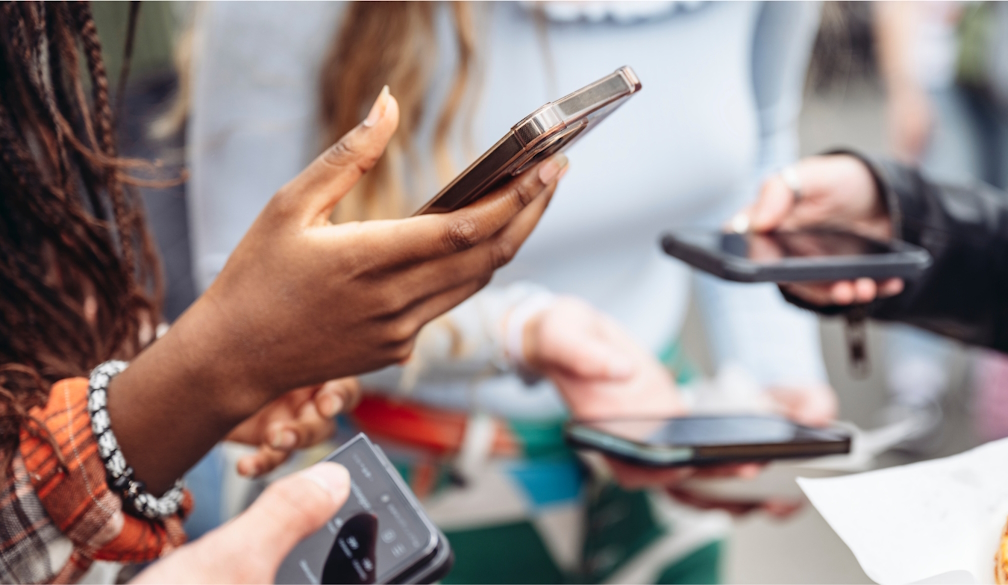
Misinformation has become a routine part of daily life, shaping public discourse and distorting perceptions. A new report[1] reveals that in the two weeks prior to the 2025 federal election, almost two-thirds (60%) of adults reported coming across election misinformation. Only 19% didn’t come across it and 21% were unsure.
Many Australians are frustrated and overwhelmed by misinformation. They also lack the time and skills to fact-check, and feel governments and platforms should be doing more to combat it.
Only 41% of adults are confident they can check whether online information is true, and 40% say they can check whether a social media post can be trusted. Low confidence leads to higher concern. Almost three-quarters (73%) say they are concerned about the spread of false election information.
This low confidence and heightened anxiety can lead to disengagement from news and politics. When people see something they suspect is election misinformation, they are more likely to ignore it (44%) than check the facts (25%). The pervasive nature of election misinformation could be turning people away from democratic institutions and processes.
Many people don’t investigate dubious information because they experience political burnout[2]. Even if someone does have the ability to verify misinformation, they may choose not to apply the skill or knowledge. Instead, audiences who are bothered by information uncertainty disengage altogether[3].
Our study
We asked people to identify misinformation by giving them five examples of false information on social media that were circulated during the election campaign. These examples were provided by a professional fact-checker. For political balance, two were misinformation about the Labor Party, two were misinformation about the Liberal-National coalition, and one was politically neutral.
Many participants were unsure or said “no”, these weren’t misinformation. This suggests ordinary people differ from fact-checkers in their perceptions of election misinformation. The proportion who correctly identified the misinformation ranged from 43% to 58% across the five examples. The misinformation targeting Labor had higher percentages of accurate responses (48% and 58%). The non-partisan example had the lowest score, with only 43% of respondents identifying it as misinformation.
It is important to note that 16–34% of respondents in this study replied “unsure”. This confirms the indifference and disengagement with politics among many Australian voters.
There are stark differences between left, centre and right-leaning respondents in their responses. Those who identify as left-wing were much more likely to identify misinformation in the two posts that were about Labor (67% and 80%) than the two posts about the coalition (30% and 51%) or the non-partisan example (53%).
Similarly, those who identified right-wing were more likely to identify the two posts that were about the coalition (61% and 55%) than when the content concerned Labor (39% and 45%) or was non-partisan (43%).
Perceptions of misinformation are strongly tied to one’s beliefs and identity. People can still believe false information[4] even if it contradicts factual knowledge. This is because acceptance is a mentally easier process than rejection.
Rejection of information as false involves an additional cognitive process[5] that requires motivation and resources. When information does not align with people’s beliefs, they tend to determine it to be false.
Quality news matters
We found an important link between having access to quality news and people’s ability to verify information. Those who regularly access news and are informed are much less likely to be vulnerable to misinformation. They also feel more empowered to participate in politics.
Those who have received media literacy education are also more likely to be able to discern misinformation and react responsibly to misinformation. The findings suggest that media literacy education, combined with improved access to quality news, can be an effective way to help people navigate the online environment and discern misinformation.
Misinformation will likely be a problem no matter how much we try to reduce or remove it from our information ecosystem. It is timely that the federal government is developing a National Media Literacy Strategy[6].
There are some steps that can be taken to combat misinformation.
First, the legal and regulatory environment must enable proactive measures to reduce misinformation. Digital platforms must be transparent about how they target particular groups of people.
Second, factual, quality information that can counteract misinformation should be amplified. People need to have trusted sources of news and information they can turn to.
Finally, we can improve people’s media literacy level so that they can discern misinformation and know how to respond with confidence. Our data show more than half of the respondents (51%) have never received media literacy education.
The Australian public expressed strong views and a clear desire for intervention regarding the regulation of the online environment, particularly concerning election misinformation.
The majority of respondents – 70% – support the view that the government should take steps to restrict false information on social media, even if it limits freedom to publish and access information.
Moreover, 83% support truth in advertising laws to be implemented at a national level.
References
- ^ new report (doi.org)
- ^ political burnout (doi.org)
- ^ disengage altogether (doi.org)
- ^ believe false information (doi.org)
- ^ additional cognitive process (doi.org)
- ^ National Media Literacy Strategy (ministers.pmc.gov.au)