


Labor wins with a superior campaign and weak opposition – now it’s time to make the second term really matter
- Written by: Chris Wallace, Professor, School of Politics Economics & Society, Faculty of Business Government & Law, University of Canberra
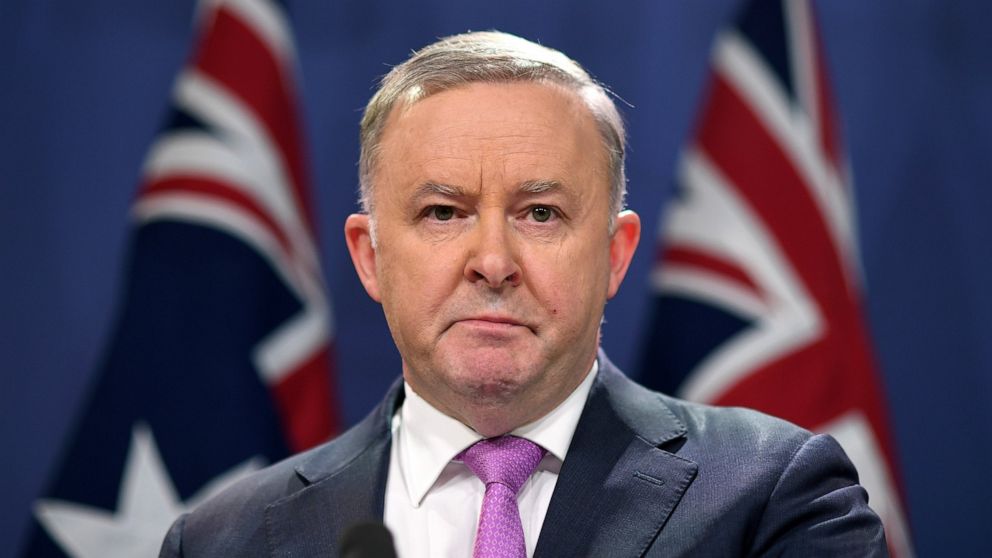
Superior campaigning by the Labor machine, a lift in the personal performance of Prime Minister Anthony Albanese, and a woeful campaign by Opposition Leader Peter Dutton have seen Labor re-elected for a second term.
Albanese will go down as one of the luckiest Labor leaders in Australian political history. He faced two deeply unpopular and somewhat odd Coalition leaders – Scott Morrison in 2022 and Dutton in 2025 – and edged out both to first win, and now retain, power. Dutton even lost his seat.
Albanese was lucky, too, that the distress and dysfunction evident in the United States in the first 100 days of the Trump administration made voters reluctant to risk a version of that under the Trumpesque Dutton in Australia.
His luck was compounded by the Liberal team’s shocking underperformance, along with that of Dutton personally. Policy reversals, ineffective advertising and an overall lack of focus blighted their campaign from the outset.
In contrast, Labor National Secretary Paul Erickson and key party figures combined to ensure the government got the jump on the Coalition before the election was imminent. This included getting Albanese onto the hustings early in the new year, making policy announcements that demonstrated a commitment to build Australia’s future.
Albanese himself shook off the torpor evident since the failed Voice referendum campaign and presented a more energetic and congenial face to Australians than the awkward and floundering Dutton.
For the first time in many elections, Labor produced memorable, cut-through advertising with its “He cuts. You pay.” ad, designed to persuade voters they would be worse off under the Coalition.
The swing to Labor was a big turnaround in the fortunes of a party that only months ago looked at risk of struggling to achieve even minority government. As in last month’s Canadian election, the long shadow of Donald Trump helped secure victory for an incumbent government against a Trumpesque opposition.
Dutton flip-flopped under pressure between masking his usual right-wing approach and reverting to type with hardline positions of limited appeal to swinging voters. The more Australians saw of him during the campaign, the worse his net approval rating became.
The Coalition’s election postmortem is likely to hinge on the mystery of why, given the scores of interest rate rises since the previous election and misery experienced by so many Australians as a result, it did not simply hammer the cost of living as its return ticket to power.
It should also dwell on the lesson that a leader and policies that please local oligarchs and right-wing media echo chambers make winning the centre ground needed for election victory in Australia hard.
That one-third of Australians gave an independent or minor party candidate their first preference vote should be the focus of serious contemplation by the major parties, even by Labor in victory.
The crossbench will remain sizeable in the 150-member House of Representatives, though without the balance of power eagerly sought by the teal and orange independents. The Senate will continue to be a challenge for the government to get its bills through.
One clear message is that voters aren’t impressed by the leaders the major parties are offering.
Albanese campaigned well, and got better as the election went on. However, like Dutton, he remained in net negative approval territory. In the final Newspoll of the campaign, published on election day, Albanese and Dutton had –10% and –27% net approval ratings, respectively. Both leaders were a drag on their party’s vote.
Labor’s low primary, but emphatic two party-preferred vote signals Australians want it in office but expect more than tinkering around the edges. The Albanese government will be expected to come up with structural solutions that meet contemporary Australians’ real needs in this second term.
With his re-election as prime minister, Albanese can be confident and secure in his governing style, giving talented frontbenchers more scope to develop the deeper policy solutions Australians seek.
That increased security will also enable him to drop the petty persecution of rivals that gives voters an insight into the lesser side of the sunny personality he publicly presents.
Whether he does either of those things will remain to be seen.
Labor MPs will also have to play their role properly in this term of government.
Slavish quiescence to an all-powerful prime minister produces paltry results. Caucus needs to get elbows up with the re-elected Albanese and make sure he doesn’t clock off between elections like he appeared to at times last time around.










