Paris 2024 is going for gold in Olympic innovation
- Written by: Holly Thorpe, Professor in Sociology of Sport and Gender, University of Waikato
Think of the Olympic Games and for many of us it conjures images of the traditional marquee events: track and field, swimming, weightlifting, gymnastics. But the games are changing – and the Paris Olympics will take it to a new level.
As well as bringing back youth-oriented sports such as surfing, skateboarding, sport-climbing and BMX freestyle, these games will see breaking (or breakdancing) and kiteboarding introduced.
These programme changes have been on the International Olympic Committee (IOC) agenda[1] for many years, part of an effort to reverse a decades-long decline in younger audience numbers, particularly in the key US consumer market.
But the new look is also part of a larger strategy designed to improve inclusivity and gender balance[2]. In fact, Paris claims to be the first gender-balanced Olympics, with the new sports key to reaching that milestone.
None of this has been smooth, with the inclusion of new events a highly political process. On the one hand, traditionalists have resisted change. On the other, the countercultural origins of some of the new sports have seen them wary of being incorporated into the world’s largest and most powerful sporting establishment.
New events, new venues
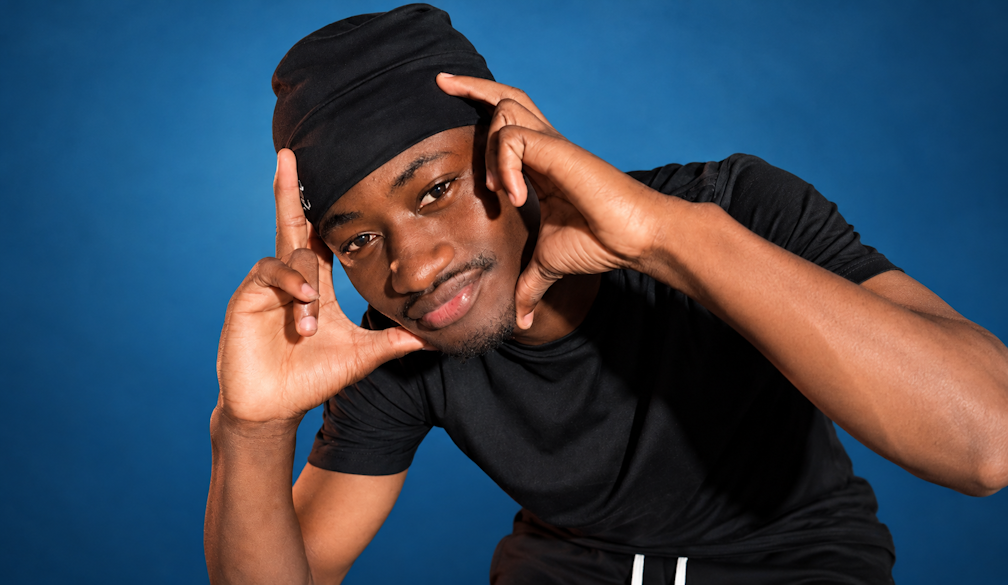
Of the two newest entrants, breaking[3] will probably surprise the most spectators. What began as an urban dance style within US hip hop culture in the 1970s has gone mainstream, successfully trialled at the 2018 Youth Olympic Games in Buenos Aires.
Breakdancing was always competitive, of course. In its Olympic format, teams of 16 (called B-boys and B-girls) will have one-on-one contests involving a range of spectacular acrobatic movements.
Athletes must improvise, adapting their style and routines to fit the beat of the DJ’s chosen tracks. The role of the DJ and MC during these “battles” will give the new sport a very different feel to other Olympic events.
Read more: Alt goes mainstream: how surfing, skateboarding, BMX and sport climbing became Olympic events[4]
Kiteboarding almost made it into the Olympic sailing programme at the 2016 Games in Rio Di Janeiro, in place of windsurfing. The International Sailing Federation eventually overturned that decision[5], but the dynamic event finally makes its debut. In Paris, kiteboarders will be using the latest foiling technologies, making it a showcase attraction.
These games will also see the IOC’s “urban park” concept finally realised[6]. Originally planned for the Tokyo Olympics, COVID disrupted the vision of an X Games[7]-style atmosphere of music, fun and athlete-fan interaction.
Rather than building expensive new venues, the host nation will use existing infrastructure combined with temporary facilities. Skateboarding, sport climbing, breaking, 3x3 basketball and BMX freestyle will all be hosted in a temporary park built in the iconic Place de la Concorde[8].
All these innovations are an expression of the IOC’s Agenda 2020 and Agenda 2020+5[9]. These major policy reforms[10] are focused on urban cultures, youth and sustainability.
Going mainstream
Olympic climbing[11] will also evolve in Paris. Introduced at the Tokyo Games, it initially combined three quite different climbing styles – speed, bouldering and leading (where climbers use ropes to ascend).
Many climbers were unhappy with this merger within a single medal event, and Paris will see it broken into two[12]: a combined bouldering and leading event, and a speed event.
At Tokyo, skateboarding had the greatest media visibility of the new sports. In particular, global audiences and media were captivated[13] by the joy and camaraderie of the women’s competition.
The average age on the women’s skateboarding medal podium was 14, and the young competitors were hailed as evidence[14] of a truly inclusive Olympic spirit. This success might have also shifted perceptions of skateboarding being fringe or even antisocial, to being a legitimate and highly-skilled sport.
It has also opened new opportunities[15] for women skaters in a previously male-dominated culture. There have been anecdotal reports of an increased willingness by parents to let their children learn skateboarding, with local councils building more facilities and reviewing rules around skating being a “nuisance” in public spaces.
Waves of change
Perhaps the most radical aspect of the Paris Olympics is the location of its surfing competition in Tahiti, 16,000 kilometres from the host city.
Using the legendary reef break at Teahupo’o will almost certainly overcome the wave quality problems at the Tokyo games. But the decision has also proved controversial, with local residents concerned about the event’s potential impact on the fragile ocean ecosystem and surrounding areas.
In particular, a new aluminium judging tower, involving drilling into the delicate coral reef, has prompted months of local and international protest[16].
In a sense, the surfing controversy is emblematic of the IOC’s overall struggle to modernise the games, and respond to a rapidly evolving sporting landscape, while not alienating traditional audiences.
The IOC has invested heavily in these new sports and events, and we will likely see more on the programme in Los Angeles in 2028 and Brisbane in 2032. There is also a push for their inclusion in the Paralympics.
Whether those elusive younger viewers are lured back, however, remains to be seen. Our research[17] suggests the full impact of inclusion – on both the Olympics and the sports themselves – can take years to become evident. In the meantime, settle in and enjoy the show.
References
- ^ agenda (www.tandfonline.com)
- ^ improve inclusivity and gender balance (www.taylorfrancis.com)
- ^ breaking (intellectdiscover.com)
- ^ Alt goes mainstream: how surfing, skateboarding, BMX and sport climbing became Olympic events (theconversation.com)
- ^ overturned that decision (www.insidethegames.biz)
- ^ finally realised (olympics.com)
- ^ X Games (www.xgames.com)
- ^ Place de la Concorde (olympics.com)
- ^ Agenda 2020+5 (olympics.com)
- ^ policy reforms (www.tandfonline.com)
- ^ Olympic climbing (www.taylorfrancis.com)
- ^ broken into two (olympics.com)
- ^ audiences and media were captivated (olympicanalysis.org)
- ^ hailed as evidence (www.nbcolympics.com)
- ^ new opportunities (journals.sagepub.com)
- ^ local and international protest (www.theguardian.com)
- ^ Our research (www.taylorfrancis.com)