Marion Halligan was a woman of great warmth and generosity, and a consummate novelist
- Written by: Gillian Dooley, Adjunct Associate in English, Flinders University
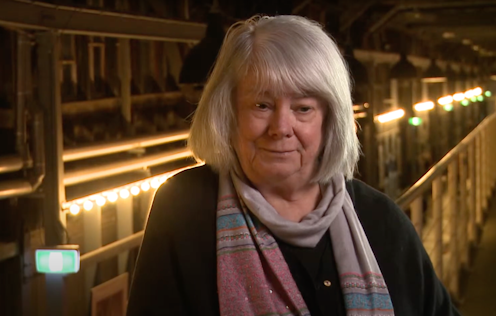
Marion Halligan[1], who died on February 19 at the age of 83, was one of Australia’s finest authors. She has more than 20 books to her credit, including novels, short story collections and non-fiction. Her novels are compulsively readable and full of ideas.
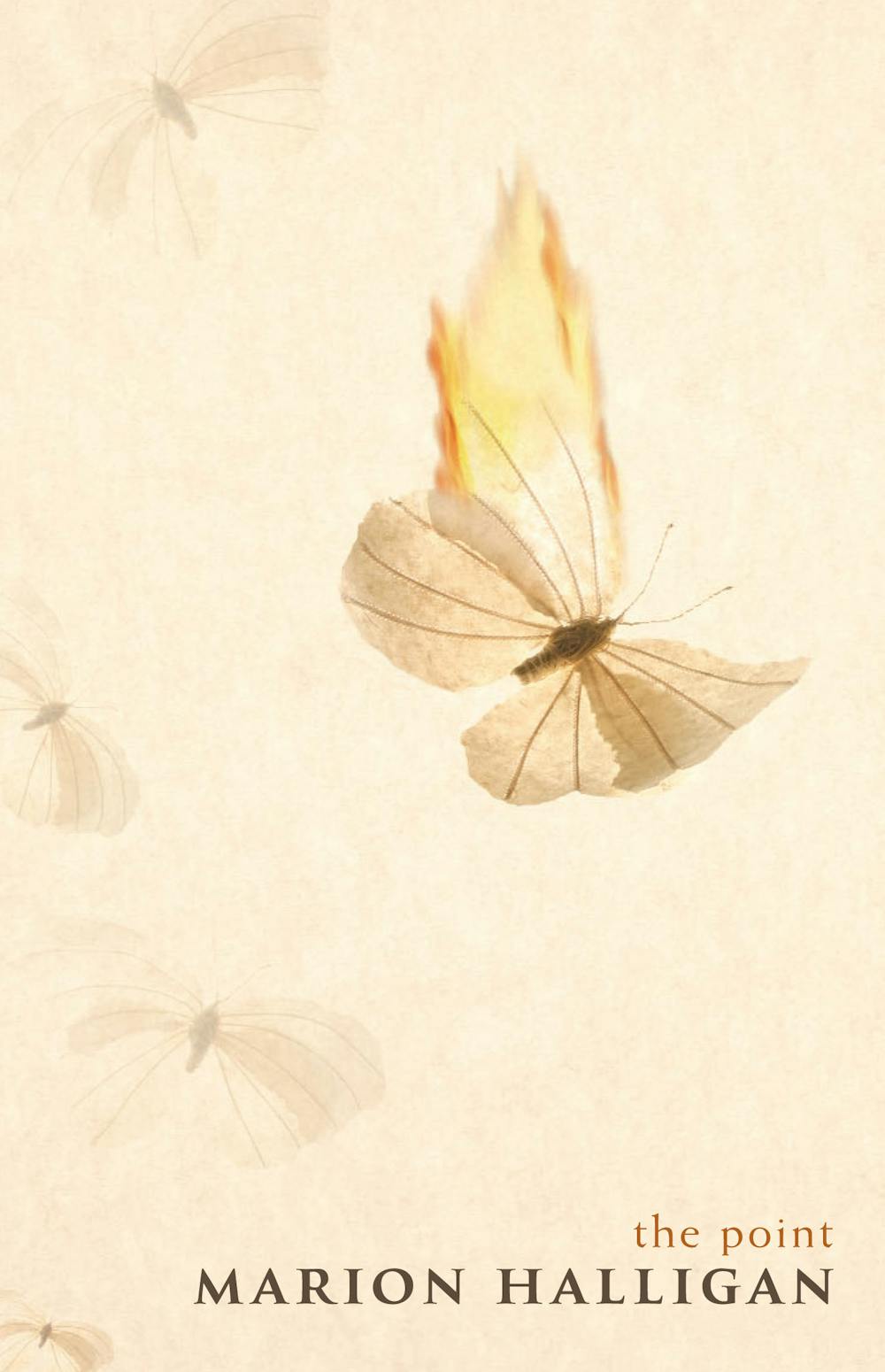
Halligan was born and raised in Newcastle, but for most of her life she lived in and wrote about Canberra. She conveyed a strong sense of the place, with Lake Burley Griffin at the centre, “cool and severe and beautiful” as she described it in her 2003 novel The Point[2].
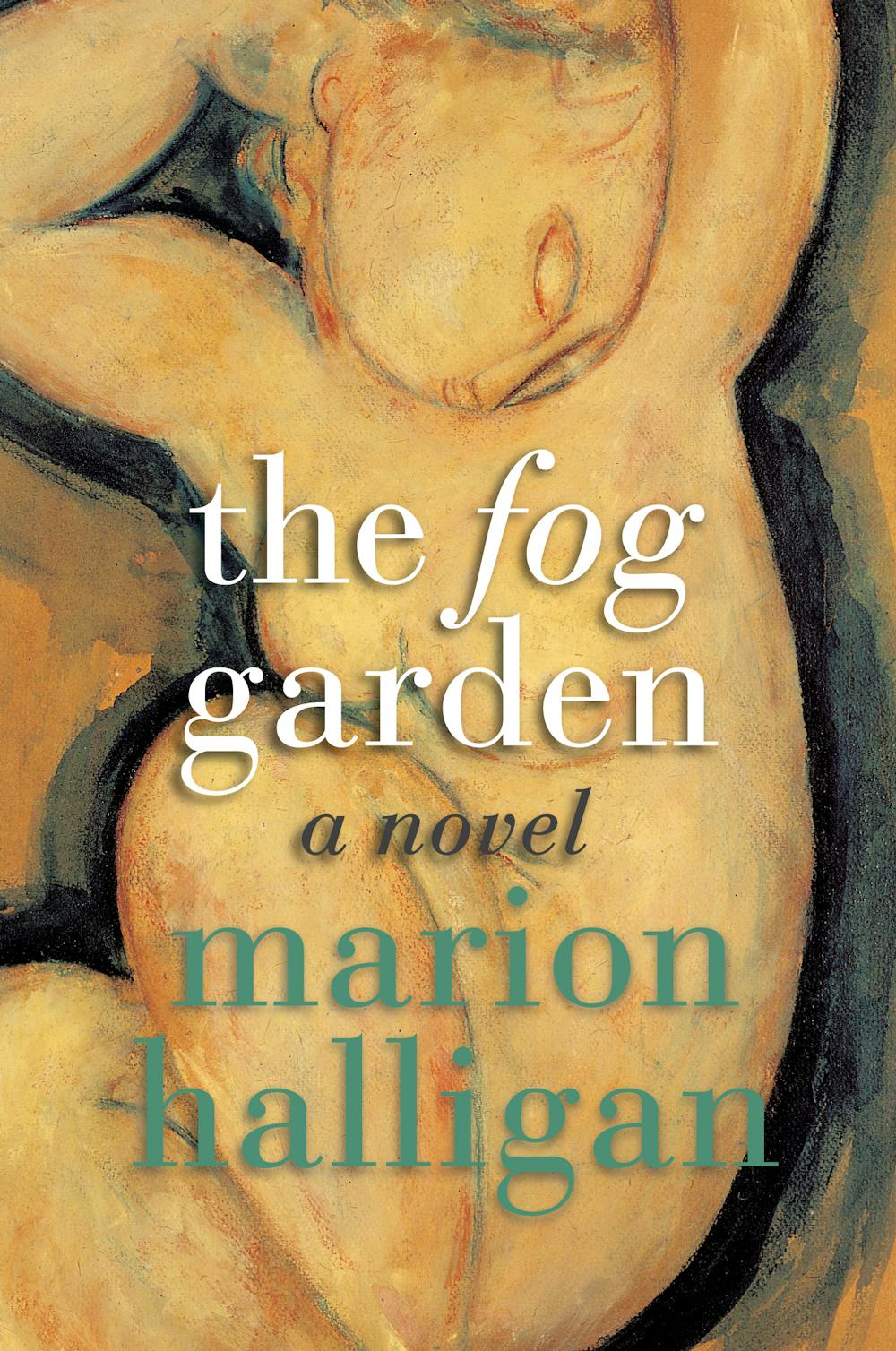 Halligan suffered much heartache in her personal life and wrote about it directly in fiction and memoir. Her novel The Fog Garden[8] (2001) was written after the death of her first husband. It is a moving tribute to a beloved partner, and a searching and honest account of adjusting to life without him.
I recall her telling me that it was a novel she needed to write, so she put her other projects on hold until it was done.
Halligan’s last book, Words for Lucy[9], published in 2022, was written for her daughter, who died in 2004.
A consummate novelist and a brilliant wordsmith, Halligan was also a woman of great warmth and generosity. I met her several times. I visited her home in Canberra and partook of her hospitality. That she was an advocate for “slow food” – not necessarily complicated food, but “food with attention paid” – was obvious.
Her kitchen was large and welcoming, replete with wonderful aromas. Her non-fiction book The Taste of Memory[10] (2004) celebrated food and its part in our lives and networks of love and memory.
Reviewing The Apricot Colonel[11] in 2006, I wrote that “in Marion Halligan’s world, a male character who bottles apricots, chargrills vegetables, and speculates about the derivation of the word ‘idyll’ is never going to be a villain”.
There are not many generalisations that could be made about her, but I stand by this one.
Marion Halligan was a unique contributor to Australian literature and culture.
She served as chair of the Literature Board of the Australia Council and received numerous awards for her writing, including the ACT Book of the Year, which she won three times. In 2022, the ACT Writers Centre was renamed Marion[12] in recognition of her literary achievements and active support of local writers.
She was made a Member of the Order of Australia (AM) in 2006 “for service to literature as an author, to the promotion of Australian writers and to support for literary events and professional organisations”, Halligan has nevertheless not yet been the subject of a book-length study, unlike many novelists of her generation.
I commented in our interview that readability seems somewhat disreputable among literary scholars, and we agreed that was strange – and regrettable.
Halligan wrote movingly about death and dying, about loving and losing. She suffered the loss that we now suffer, losing her. She will be missed.
References^ Marion Halligan (www.austlit.edu.au)^ The Point (www.allenandunwin.com)^ interviewed (www.jstor.org)^ Iris Murdoch (www.britannica.com)^ Lovers’ Knots (en.wikipedia.org)^ The Apricot Colonel (www.allenandunwin.com)^ Murder on the Apricot Coast (www.allenandunwin.com)^ The Fog Garden (www.allenandunwin.com)^ Words for Lucy (thamesandhudson.com.au)^ The Taste of Memory (www.allenandunwin.com)^ The Apricot Colonel (fac.flinders.edu.au)^ Marion (marion.ink)
Halligan suffered much heartache in her personal life and wrote about it directly in fiction and memoir. Her novel The Fog Garden[8] (2001) was written after the death of her first husband. It is a moving tribute to a beloved partner, and a searching and honest account of adjusting to life without him.
I recall her telling me that it was a novel she needed to write, so she put her other projects on hold until it was done.
Halligan’s last book, Words for Lucy[9], published in 2022, was written for her daughter, who died in 2004.
A consummate novelist and a brilliant wordsmith, Halligan was also a woman of great warmth and generosity. I met her several times. I visited her home in Canberra and partook of her hospitality. That she was an advocate for “slow food” – not necessarily complicated food, but “food with attention paid” – was obvious.
Her kitchen was large and welcoming, replete with wonderful aromas. Her non-fiction book The Taste of Memory[10] (2004) celebrated food and its part in our lives and networks of love and memory.
Reviewing The Apricot Colonel[11] in 2006, I wrote that “in Marion Halligan’s world, a male character who bottles apricots, chargrills vegetables, and speculates about the derivation of the word ‘idyll’ is never going to be a villain”.
There are not many generalisations that could be made about her, but I stand by this one.
Marion Halligan was a unique contributor to Australian literature and culture.
She served as chair of the Literature Board of the Australia Council and received numerous awards for her writing, including the ACT Book of the Year, which she won three times. In 2022, the ACT Writers Centre was renamed Marion[12] in recognition of her literary achievements and active support of local writers.
She was made a Member of the Order of Australia (AM) in 2006 “for service to literature as an author, to the promotion of Australian writers and to support for literary events and professional organisations”, Halligan has nevertheless not yet been the subject of a book-length study, unlike many novelists of her generation.
I commented in our interview that readability seems somewhat disreputable among literary scholars, and we agreed that was strange – and regrettable.
Halligan wrote movingly about death and dying, about loving and losing. She suffered the loss that we now suffer, losing her. She will be missed.
References^ Marion Halligan (www.austlit.edu.au)^ The Point (www.allenandunwin.com)^ interviewed (www.jstor.org)^ Iris Murdoch (www.britannica.com)^ Lovers’ Knots (en.wikipedia.org)^ The Apricot Colonel (www.allenandunwin.com)^ Murder on the Apricot Coast (www.allenandunwin.com)^ The Fog Garden (www.allenandunwin.com)^ Words for Lucy (thamesandhudson.com.au)^ The Taste of Memory (www.allenandunwin.com)^ The Apricot Colonel (fac.flinders.edu.au)^ Marion (marion.ink)